


The '3-2-1' Revolution and the End of Tanking as We Know It
By AJ Hammerle
June 7, 2026
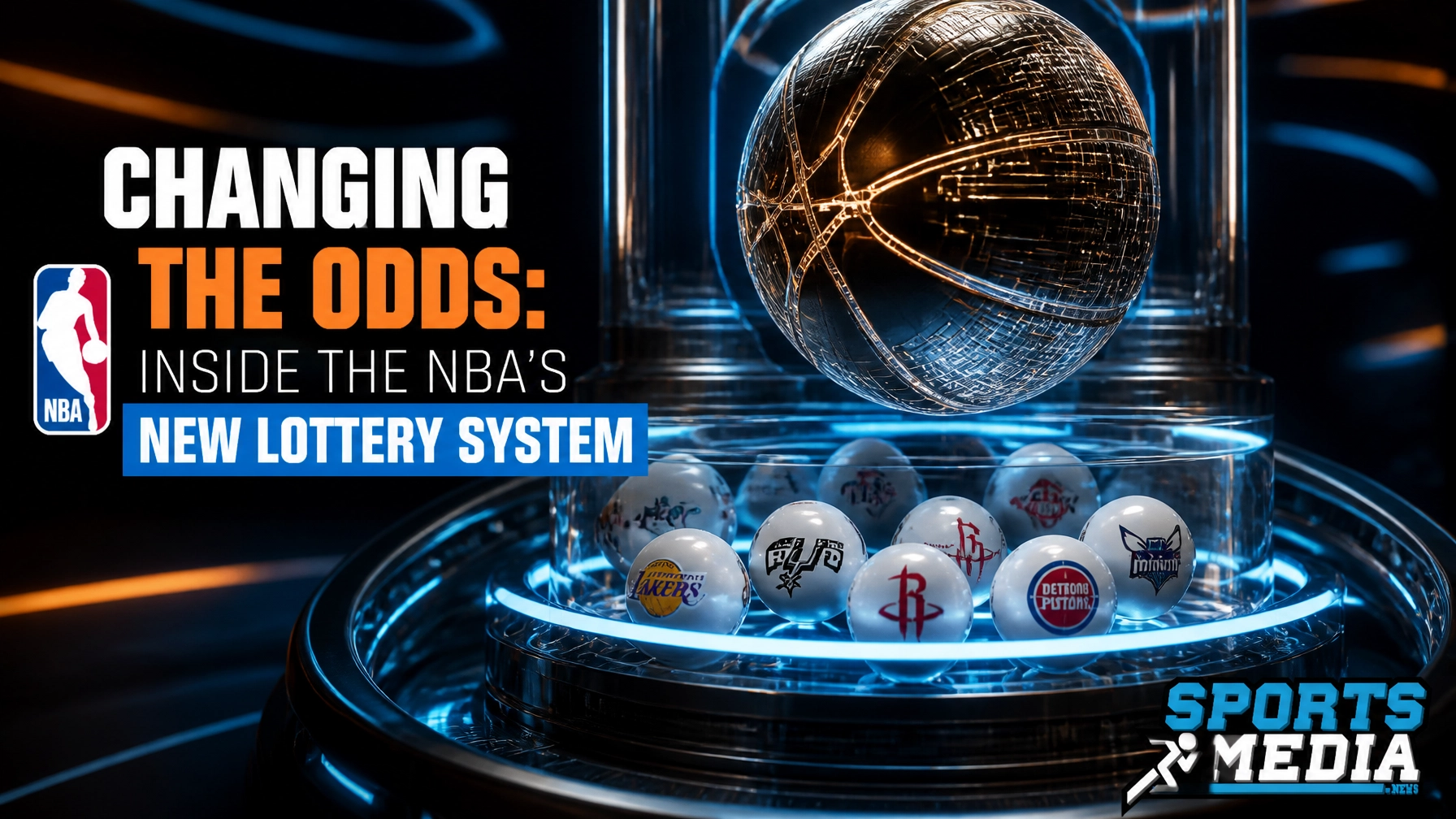
Changing the Odds: Inside the NBA's New Lottery System
6/7/26
By AJ Hammerle
The NBA lottery has always been a gamble, but for years, teams learned how to bend the odds. Now, the league is changing the rules of the game entirely.
The lottery began in 1985 after teams were accused of losing games on purpose to get the first selection. The first lottery was a drawing from envelopes; the first pick went to the first envelope, and so on.
Since then, the lottery has developed into a game of numbers and odds. Since 2017, the odds of each pick have changed, giving every team in the top 3 a 14% chance of securing the first pick, but yet again the NBA has decided that the purposeful losing has gone too far and has finally made a change to “flatten the odds.”
“Our fans were speaking loud and clearly about this being unacceptable. Oddly, you had situations where in some markets, fans were cheering on their teams and saying, ‘Of course this is the right strategy, you have to be either really good or really bad.” said NBA Commissioner Adam Silver in a press release from the NBA, “[But] at the same time saying, ‘Don’t ask me to pay for this product or watch this product in the meantime.’”
What's New?
The new lottery system, officially coined the “3-2-1 Lottery,” has made the first big changes since the inception of the odds-based lottery in 1990. The NBA has extended the number of teams that have a chance at the No. 1 pick to 16 instead of 14. This gives each team that participates in the NBA Play-In Tournament (seeds 7-10) a chance for the top selection.
Additionally, the odds for each finish changed. The teams with the three worst records in the NBA will have a 5.4% chance at the first pick, while the remaining seven teams who are in the middle ground have an 8.1% chance at the first pick. The losers of the play-in games will get a 5.4% chance, while the winners who advance to the NBA Playoffs get a 2.7% chance.
To draw out an example from this year, if a team like the Orlando Magic, who were in the play-in tournament, somehow run the table and win the NBA Title, they also have a chance to get the #1 overall pick in the draft.
While a team like the Washington Wizards, who won the lottery this year and also held a league-worst 17-65 record, have a 25% chance to receive pick No.12 and only a 5.4% chance to pick first.
The NBA is also enforcing pick restrictions on teams who consistently are at the bottom of the standings. If a team gets the first overall pick this year, they cannot get it next year. In addition, teams cannot receive a top 5 pick three years in a row.
Teams will also not be able to attach protections to picks 12 through 15. Meaning this is the all but the end of “Lottery Protected” picks. Instead, picks will most likely be top 11 protected.
Finally, the NBA has the right to discipline teams whom they suspect of tanking. This includes reducing teams’ odds, changing teams’ draft positions, and imposing significant fines on offending teams.
The Effect
The 3-2-1 Lottery system won’t eliminate tanking, but it gives a framework for more important games down the stretch. Teams like the Wizards won’t sit stars like Trae Young and Anthony Davis for “injuries”; instead, if it were this year, they would be playing to try to get above that bottom 3 cutoff.
The new set of rules will also put pressure on the front offices of teams that have consistently found themselves at the bottom of the league, making sure every pick, every signing, and all trades must be successful. Because remaining at the bottom 3 could slide you all the way down to the 12th pick.
The 3-2-1 Lottery will be officially put into action starting in the 2026-2027 season. The question now is whether teams will adapt or resist. History suggests front offices are nothing if not creative, and the most determined rebuilders will find new angles to work within the system. But with 16 teams in the mix, pick restrictions tightening year over year, and the commissioner holding the power to levy fines and strip odds, the cost of being caught chasing losses just got a lot steeper.
By AJ Hammerle
AJ Hammerle is a senior sports business analyst for Sportsmedia News, specializing in league governance, collective bargaining, and the intersection of professional sports and global finance. With over a decade of experience covering the NBA's executive offices, Hammerle provides in-depth reporting on the structural changes shaping the future of the game.