


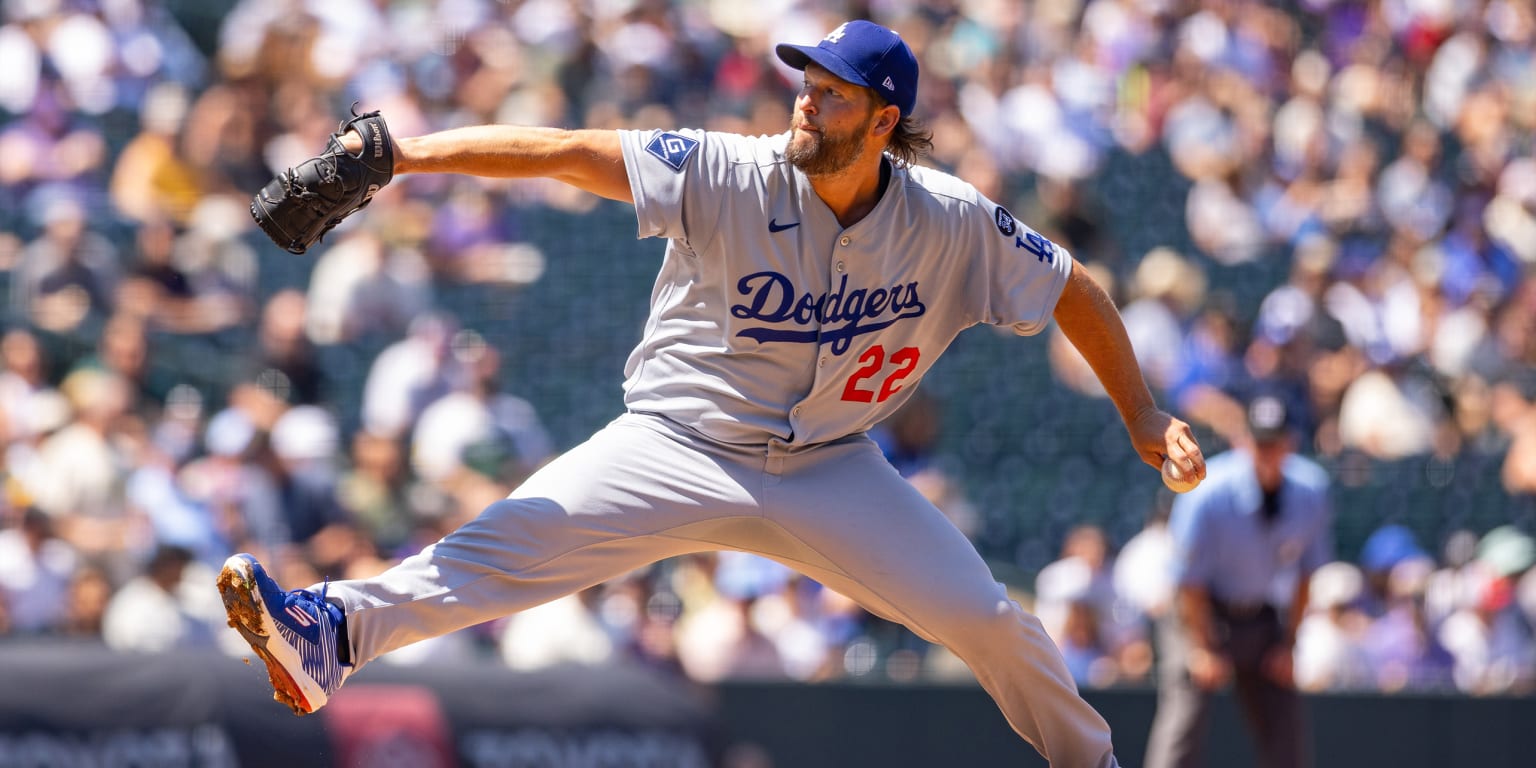
After winning the 2024 World Series, Los Angeles is headed back to the playoffs yet again in 2025. In fact, this marks the 13th straight season that the Dodgers have reached the postseason, tied for the second-longest streak in MLB history. It’s a remarkable achievement for an organization could continue this streak for the foreseeable future.
Of course, until 1969, the postseason consisted only of the NL and AL regular season champions facing off in the World Series. And in the decades since then, the playoff field has continued to grow, making it easier to put together such a streak nowadays. But even with that caveat, the aforementioned teams have joined some legendary MLB dynasties with their feats of consistent regular-season dominance.
Not only do the Braves have the all-time record with 14 straight playoff appearances, all of which came under manager Bobby Cox, but they also won the NL East in all 14 of those seasons (though in 1994, they were trailing the Expos at the time the season was canceled). No other team in MLB history has even had a streak of 10 consecutive division titles. Atlanta did not find much postseason success over this run, though, going 1-4 in the Fall Classic over that span. The Braves did reach eight straight NLCS from 1991-99, setting the all-time AL/NL record.
Even as big names like Zack Greinke, Corey Seager, Cody Bellinger, Kenley Jansen, Max Scherzer and Trea Turner have departed the Dodgers roster, winning has remained a constant in Los Angeles. From 2013-24, the Dodgers logged five 100-win seasons — including a franchise-record 111 wins in ’22 — won 11 division titles and won the World Series in 2020 and ’24. With Shohei Ohtani leading the way, an impressive group of veteran stars still producing and an intriguing collection of young talent, the Dodgers are showing no signs of slowing down.
The heyday of this streak was certainly the five-season span from 1996-2000, when the Yankees won four World Series as their young core of Jeter, Jorge Posada, Bernie Williams, Andy Pettitte and Mariano Rivera grew together. But the Yankees also ended up winning nine consecutive AL East titles from 1998-2006, which represents the second-longest division title streak in MLB history behind the aforementioned Braves run. Notably, the Yankees have still not had a losing season since going 76-86 in 1992.
Though the beginning of the streak was mired in the sign-stealing controversy, Astros have continued to be among MLB’s best teams in the years since. Houston made the ALCS in seven straight seasons from 2017-23, the second-longest streak all time behind the Braves’ run of eight straight in the 1990s. With four World Series appearances and two Fall Classic wins over that span, the Astros have established themselves as the team anyone has to get through on the way to a championship.
After missing the playoffs in four straight seasons, the Braves re-emerged as a contender in 2018, coinciding with the arrival of Acuña. Supplementing a homegrown core with shrewd trades for stars such as Matt Olson, who took over as Atlanta’s starting first baseman after Freddie Freeman departed as a free agent following the club’s 2021 World Series title, the Braves have become one of MLB’s preeminent franchises. The 2023 season marked Atlanta’s sixth straight NL East crown.
The Yankees predictably are the only franchise to have multiple playoff streaks of more than five seasons (and, as you’ll see below, they also have two more streaks of exactly five). But out of New York’s four individual streaks of at least five straight seasons in the playoffs, the most recent one is the only one that did not include a World Series win. The Yankees did not even reach the World Series over this span, having fallen to the Astros in the ALCS in 2017, ‘19 and ‘22.
Besides their several ALCS showdowns, an interesting link between the 2017-23 Astros and 2017-22 Yankees is Gerrit Cole, who played for the Astros from 2018-19 and has played for the Yankees since then.