By Mark Ricci
July 8th, 2026
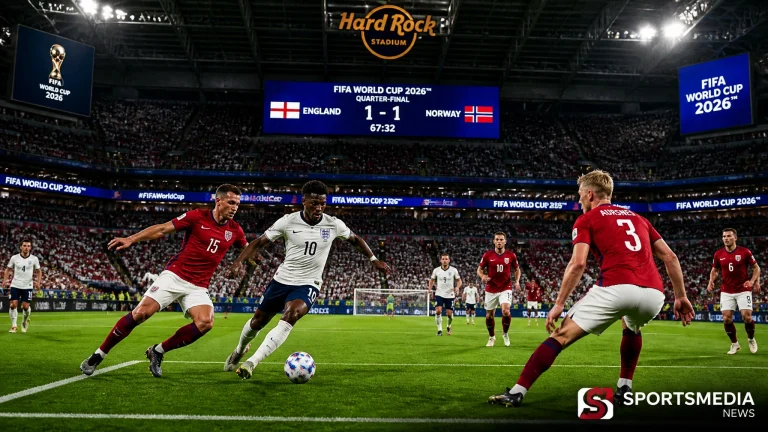
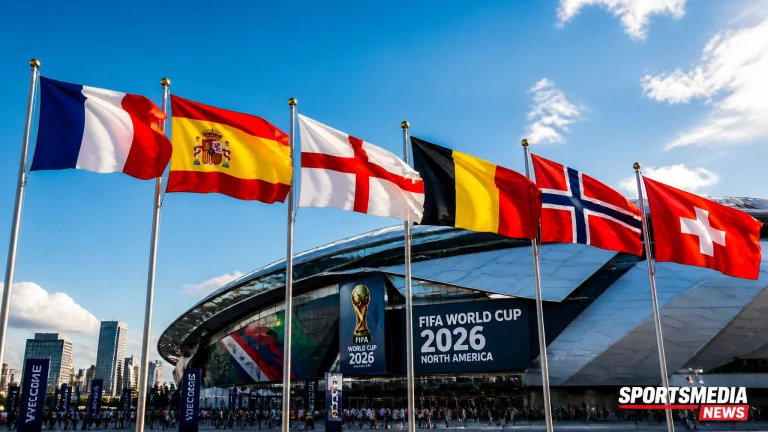
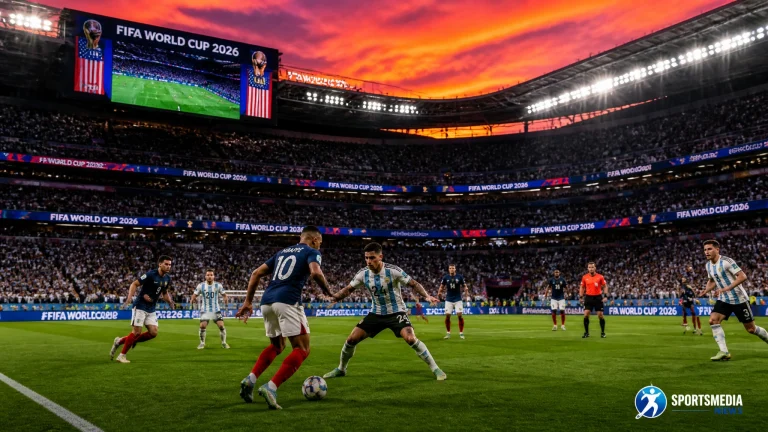
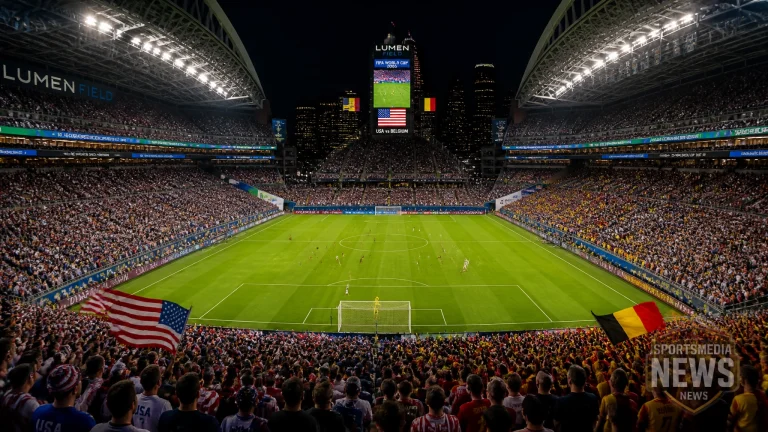
At the 2026 FIFA World Cup, every game is a global audition. Players and teams are not only competing for a trophy; they’re shaping how fans, clubs, sponsors, and media will talk about them for years. Whether a side becomes champion or goes out in the group stage, performances at this tournament have a direct and lasting impact on reputations—individual and collective.
The World Cup as a reputation amplifier
The World Cup’s scale makes it uniquely powerful. Detailed rankings of top performers: such as top‑50 lists and stat‑based “best 30” players, along with data‑driven power rankings: show how a few weeks of play can dramatically reorder how players are viewed. These evaluations track influence on matches through goals, assists, chance creation, defending, and goalkeeping, and those numbers remain part of the narrative even when a player’s team exits.
For stars already known at club level, the World Cup can confirm greatness or expose weaknesses. For lesser‑known players, a strong run can turn them into transfer targets and widely discussed names, regardless of how far their team goes.

What it means to become World Cup champions
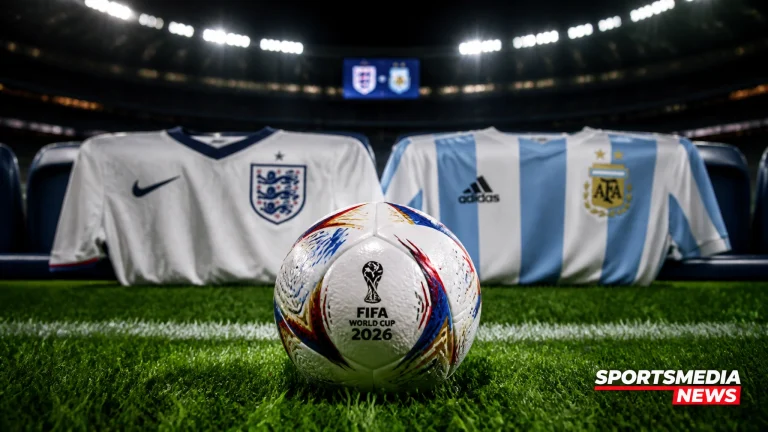
The men’s World Cup is the most prestigious competition in international football. As of 2026, eight national teams have ever won it: Brazil, Germany, Italy, Argentina, France, Uruguay, England, and Spain. Brazil has the most titles (five); Germany and Italy have four each; Argentina has three; France and Uruguay have two; and England and Spain have one apiece.
When a team joins or adds to this list, it immediately changes how that nation is viewed:
- A first‑time winner joins an elite club and adds a star to its badge to mark that title.
- A repeat winner strengthens a legacy, moving into conversations about dynasties and all‑time great teams.
The eventual 2026 champions will either expand the group of countries with stars or reinforce the status of an existing giant.
National reputation: soft power and identity
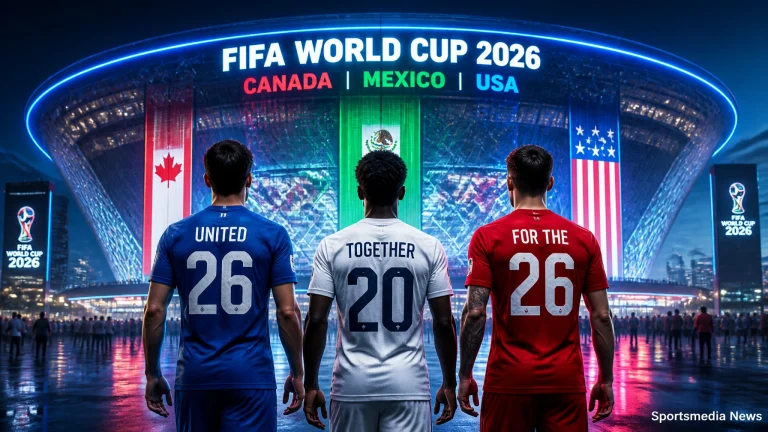
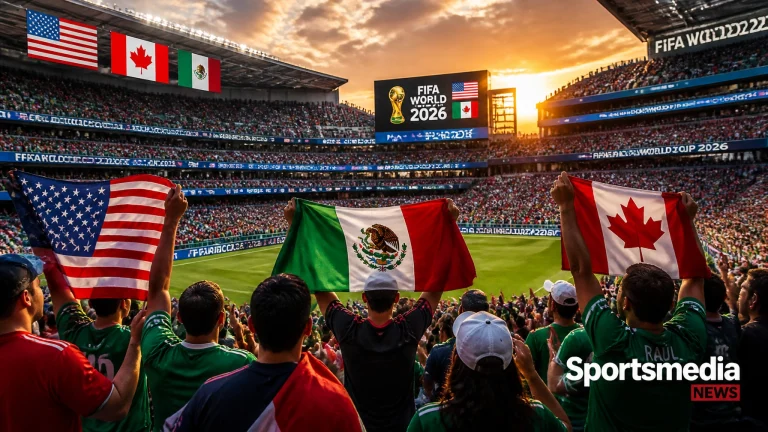
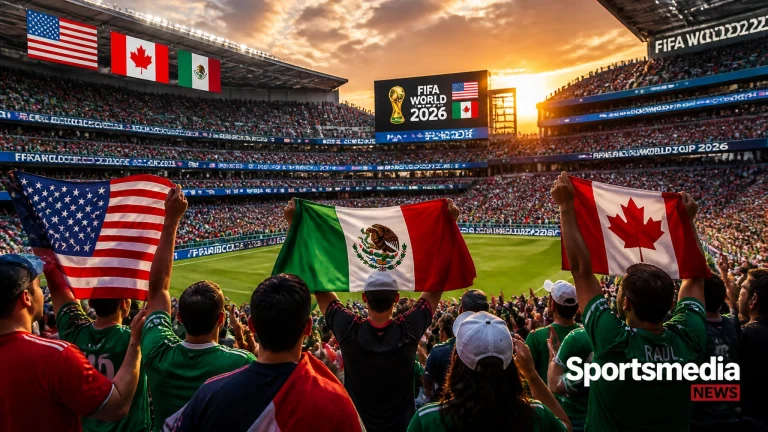
Winning a World Cup affects how a country is perceived well beyond sport. Hosting this expanded, 48‑team tournament across the United States, Canada, and Mexico is already described as a major soft‑power opportunity, because global audiences associate nations with their football, fan culture, and organizational competence.
A champion’s performance can:
- Strengthen national pride and unity. Past hosts and winners like Germany in 2006 and Argentina in 2022 experienced boosts in national morale and international reputation tied to their success and style of play.
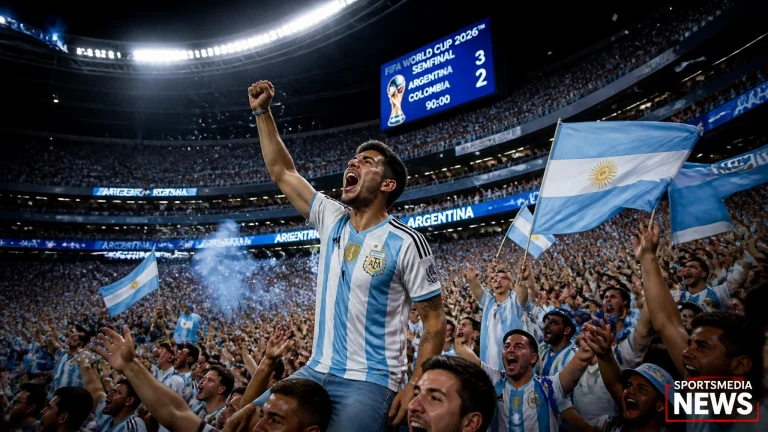
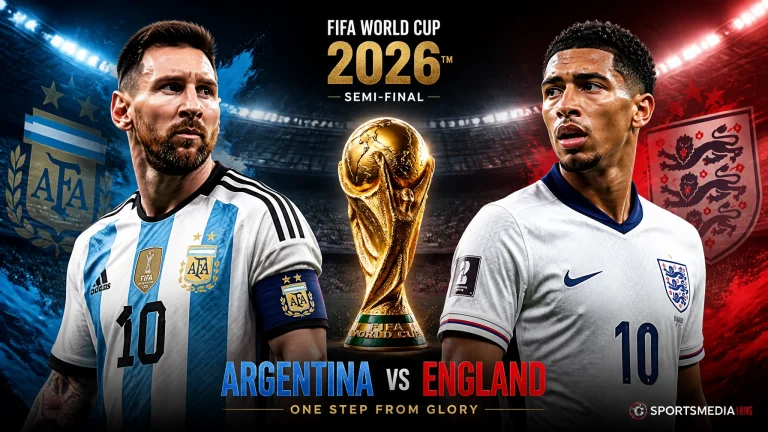
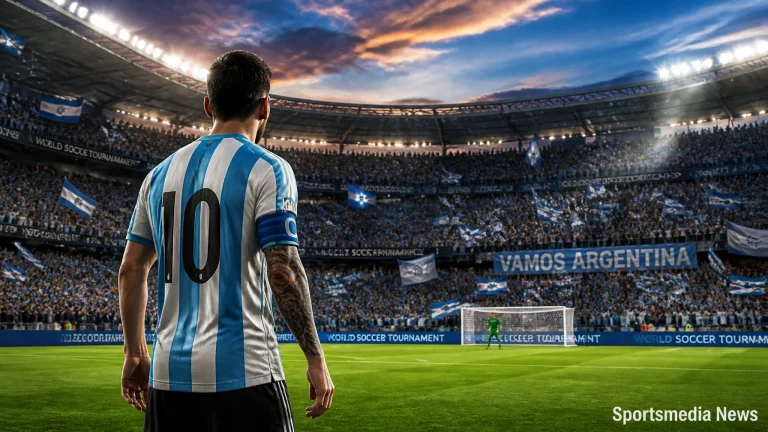
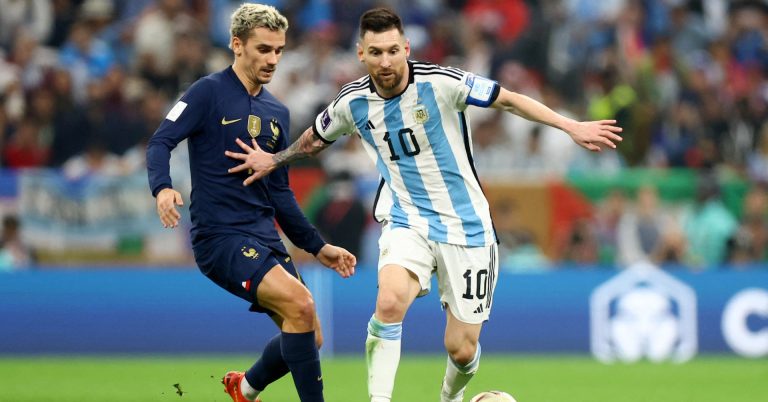
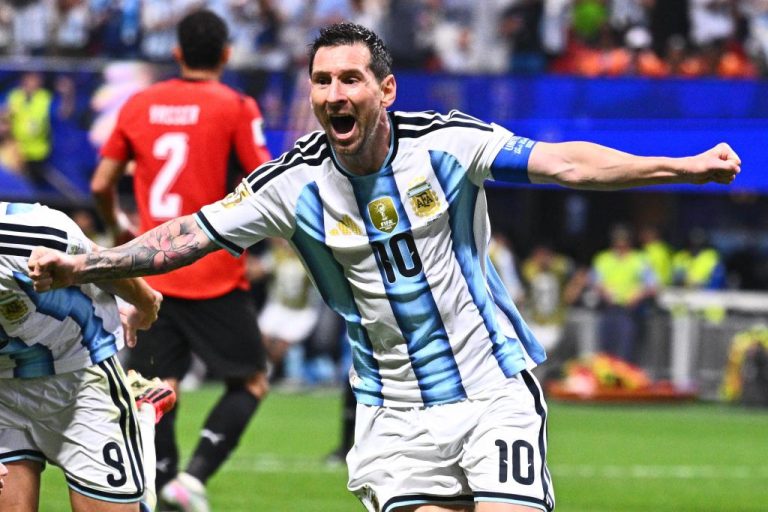
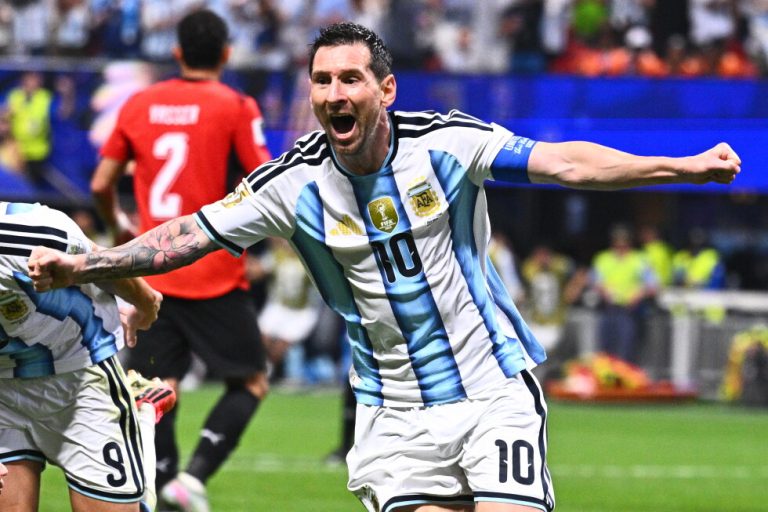
- Rebrand a footballing nation. Argentina’s 2022 victory, with Lionel Messi as captain, reshaped their image from “talented but often heartbroken” to “resilient champions,” changing how both locals and neutrals talk about Argentine football.
In 2026, a surprise champion from a country that has never gone deep in previous tournaments would be widely seen as a new major player in international football, likely earning long‑term respect that outlasts a single competition.
When stars shine but teams are eliminated
A key dynamic is that a player can enhance their reputation even if their team goes out early.
Individual impact still counts. Analysts note that players whose teams are eliminated do not simply disappear from performance rankings; they may drop as others continue playing, but strong showings remain on record. A forward who scores multiple goals in the group stage or a defender who repeatedly shuts down elite opposition can still be rated among the tournament’s best.
Club perception and value. Rerankings of Europe’s top clubs by player performance at the World Cup show that clubs like Real Madrid, Bayern Munich, and PSG gain prestige when their players excel on the global stage. A standout from an eliminated national team still boosts their club’s reputation and often their own transfer value.
Breakout stories. Features on “players making the biggest statement” at the World Cup regularly include names from teams that do not reach the final. Those performances are often framed as heroic in defeat, especially when a player nearly carries their team through a tough group or knockout opponent.
In these cases, elimination does not erase reputation gains; it simply limits how long those gains can be displayed on the World Cup stage.

When stars underperform and teams crash out
Underperformance in such a high‑profile tournament can damage reputations, particularly for established stars whose teams fall short.
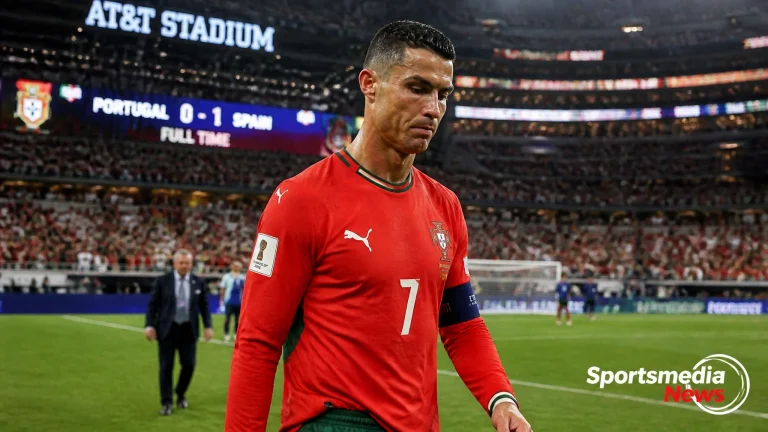
Named “losers” of the tournament. Winners‑and‑losers coverage after each round often singles out big names from eliminated teams. One 2026 analysis criticizes Cristiano Ronaldo’s overall play, noting missed chances and failure to deliver under the spotlight, and frames his World Cup as a reputational setback.
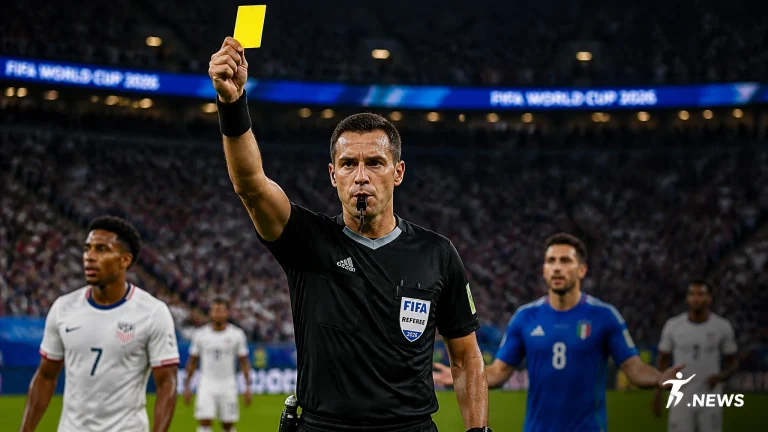
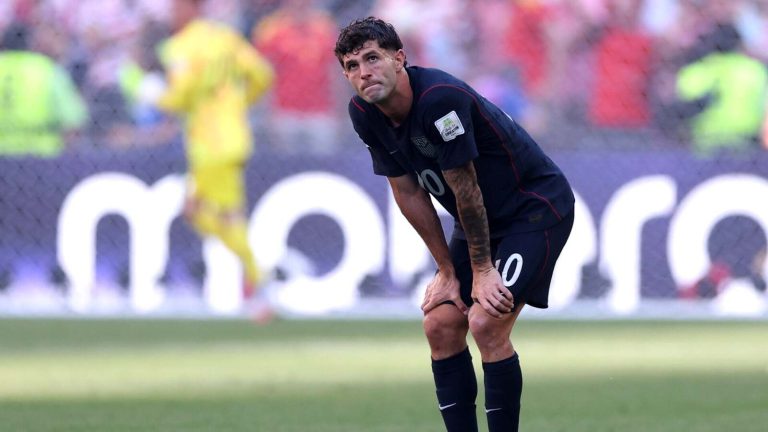
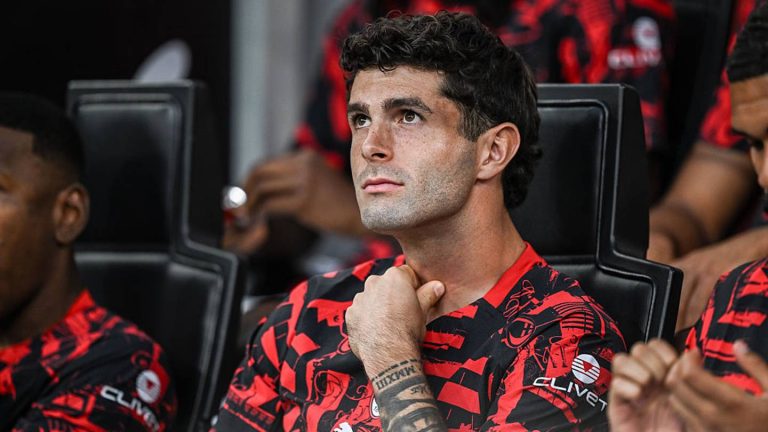
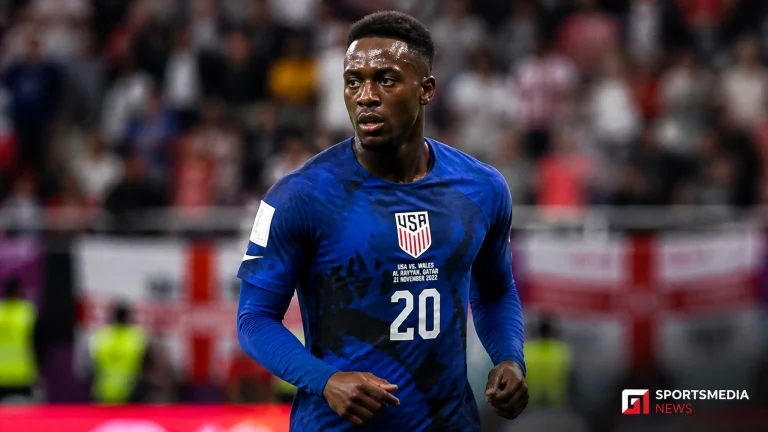
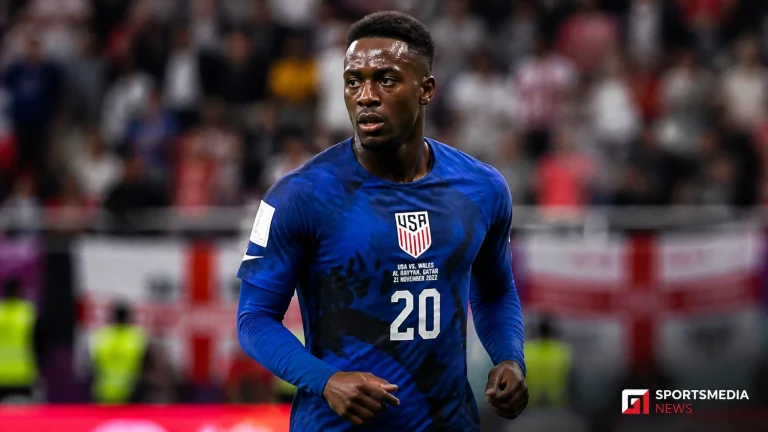
Narratives of failing under pressure. Similar coverage around the USMNT’s elimination highlights Christian Pulisic as a “loser,” arguing that he did not fully meet expectations in a home World Cup, even while acknowledging his broader importance to the team.
Long‑term labels. For stars who already carried questions about big‑tournament performances, a poor World Cup can reinforce negative narratives about inconsistency, mentality, or tactical fit despite strong club careers. These dents show up in fan debates and media commentary for years.
Player reputations: careers defined and redefined
World Cups have a disproportionate impact on how individual players are remembered, especially at the top end.
Established stars. Legends like Lionel Messi and Cristiano Ronaldo entered 2026 already among the game’s all‑time greats, with Messi having captained Argentina to the 2022 title. Another deep run or second title would generally be described as cementing or elevating their legacies, while a quiet tournament would more likely be seen as a late‑career fade than a full reputational collapse.
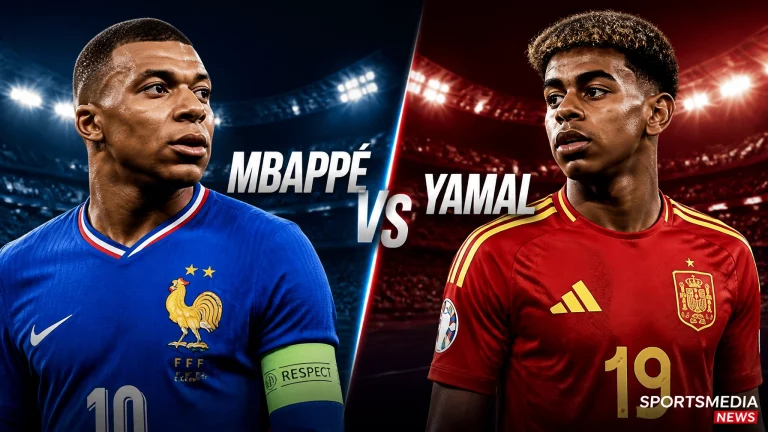
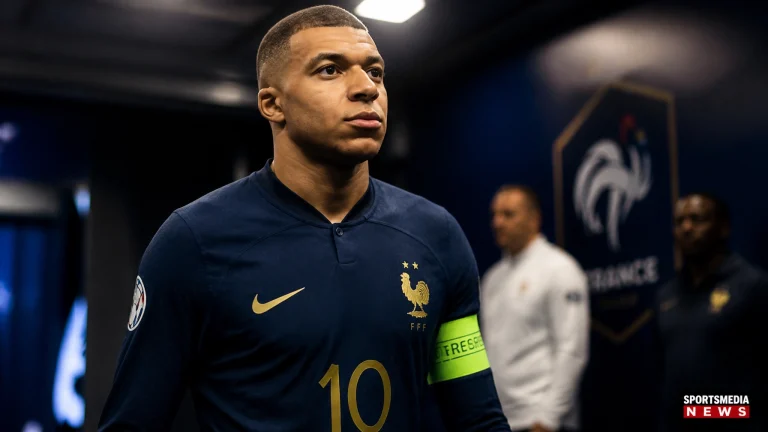
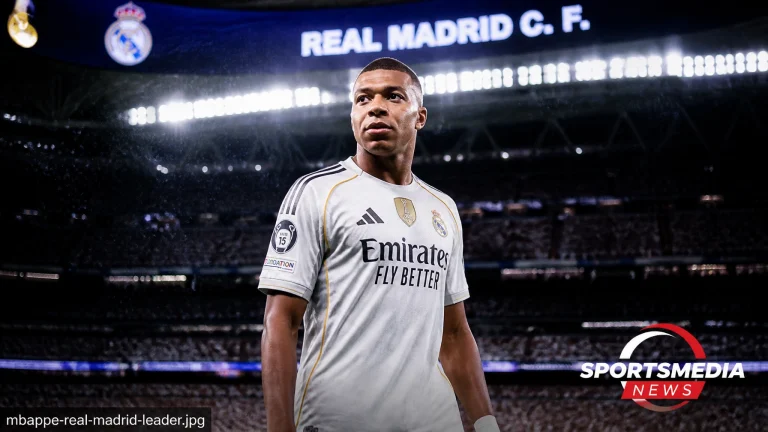
Mid‑career elites. Players such as Kylian Mbappé, who already have World Cup finals and major club success behind them, are often judged on whether they can lead their countries to titles. Strong knockout performances push them further into “greatest of their generation” conversations; early exits can intensify narratives about unfulfilled international potential.
Emerging stars. Breakout performers from less heralded nations can transform their reputations quickly. Coverage of Cape Verde’s Roberto Lopes, whose standout play in pushing world champions Argentina to extra time in the round of 32, is one example of a previously little‑known player gaining significant recognition. Whoever eventually captains and leads the 2026 champion will likely be discussed for years as a defining figure in their country’s football history, as past title‑winning captains have been.
Role players and rising talents on eliminated teams
Not every reputational shift is about superstars. World Cups also reshape how supporting players and new talents are viewed.
Data‑driven recognition. Power rankings and statistical lists can highlight defenders, midfielders, and goalkeepers whose contributions might otherwise be overlooked—progressive passing, ball recoveries, chance prevention, or shot‑stopping—regardless of team progress.
Club reputations and scouting. When clubs are evaluated by their players’ World Cup performances, mid‑tier or smaller clubs can rise thanks to standout showings from players on eliminated national teams. That boosts these players’ reputations as ready for a higher level and often sparks transfer interest.
National‑team futures. Young players who perform well in defeat can shift from “prospects” to “future cornerstones,” shaping expectations for upcoming continental tournaments and qualifying cycles.

Context matters: group difficulty and knockout drama
Reputation judgments depend heavily on context: who a player faced and how their team was eliminated.
Difficult groups and narrow losses. In the expanded 48‑team World Cup, there is less likelihood of four elite nations in one group, but groups with multiple strong teams still exist. A player who performs well against several top opponents in such a group can earn respect despite not advancing, leading analysts and fans to say, “they went out, but they played well against strong opposition.”
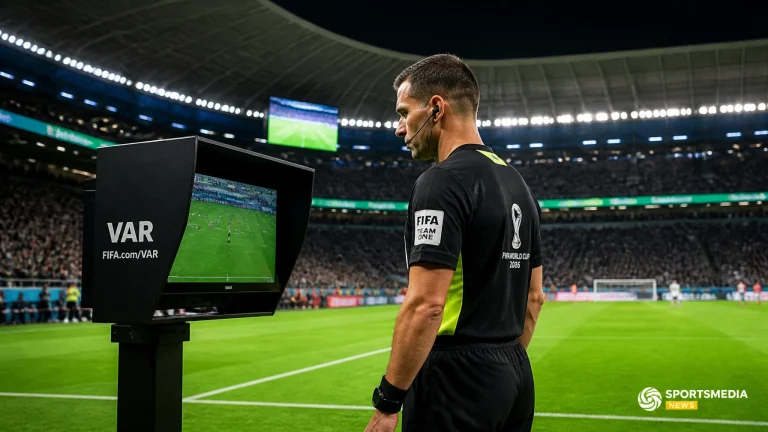
Knockout drama. In the round of 32 and beyond, narrow defeats—extra time, penalties, or controversial VAR decisions—shape reputational narratives. Players who keep their nerve in big moments, or who suffer heartbreak despite strong play, are often seen as victims of circumstance rather than culprits, preserving or even enhancing their reputations.
Big‑club vs small‑club players
World Cups highlight differences in how we talk about players from major clubs versus those from smaller teams.
Big‑club stars. Analyses re‑ranking clubs by World Cup performance emphasize how Real Madrid, Bayern Munich, PSG and similar powers have players who “carry” their national teams with crucial goals and assists. If their teams are eliminated, narratives often focus on how much these players contributed compared with the rest of the squad, which can insulate their personal reputations.
Smaller‑club standouts. Players from less glamorous clubs who excel on the world stage often see their reputations transformed. Being identified as a standout for a club like Shamrock Rovers or a mid‑table side can suddenly make them known far beyond their domestic league and lead to upward moves, even if their national teams do not progress far.
In both cases, club association influences how elimination is interpreted, but strong individual performance remains the core driver of reputational change.
Coaches, tactics, and style of play
World Cup success or failure also reshapes how managers and playing styles are perceived.
Winning coaches. The coach of the 2026 champions will be credited with building a winning system, managing egos, and navigating the expanded format with more group and knockout games. That can lead to long‑term reputational gains and opportunities at top clubs or national teams.
Tactical innovators. If a champion uses an unconventional approach—new pressing schemes, flexible formations, or bold reliance on younger players—media may frame them as tactical innovators, influencing trends in club football.
Champions are remembered not only for winning, but for how they win. Historical rankings of the greatest World Cup teams emphasize style—Brazil’s attacking flair in 1970, Spain’s possession dominance in 2010, Germany’s balance and efficiency in 2014. The 2026 champions’ reputation will depend on whether they are seen as entertaining and bold or pragmatic but effective; either way, style will color long‑term memory.

Broader ripple effects: leagues, regions, and off‑field reputations
The performance of the 2026 champions and key players will ripple outward to clubs, leagues, and regions.
Domestic leagues. When a national team wins, attention often turns to the league that developed its players. Spain’s 2010 win boosted perceptions of La Liga’s technical quality; Germany’s 2014 win highlighted the Bundesliga’s youth systems and coaching. A 2026 champion from a league seeking greater recognition would strengthen claims that its development pathways are world‑class.
Regional reputation. This World Cup includes more teams from Africa, Asia, and CONCACAF than any previous men’s edition due to the expansion to 48 teams. If a champion or surprise finalist comes from a region traditionally underrepresented in late stages, it could change how that region’s football is respected globally and encourage more investment and scouting there.
Off the field, performance interacts with reputational risks and rewards:
- A champion whose players, coaches, and federation avoid major controversies and support positive causes can gain goodwill that lasts long after the tournament.
- Misconduct, discriminatory behavior, or political disputes linked to a team can undermine the reputational boost of winning, especially in an era of ubiquitous social media and global scrutiny.
Long‑term effects after 2026
When the 2026 World Cup ends, its reputational effects will linger:
New rankings and ratings. Post‑tournament lists of “top players” will blend World Cup performance with broader careers, feeding into GOAT debates, Ballon d’Or races, and transfer speculation.givemesport+2
Contracts and sponsorships. Players who excel—even on eliminated teams—often gain better contract leverage and sponsorship opportunities because brands value global exposure and strong narratives. Those whose reputations suffer may find it harder to command top‑tier offers in the short term.redbanyan
National‑team roles. Coaches and federations use World Cup performances to reassess pecking orders. Veterans can see their roles reduced after poor tournaments; others, even in elimination, may become more central because they showed leadership and quality under pressure.si
We still don’t know which team will be crowned fútbol champions in the 2026 FIFA World Cup. What we do know, from history and the unique scale of this tournament, is that their performance—and the performances of stars and unknowns alike—will profoundly shape reputations: confirming or elevating all‑time greats, redefining how countries and leagues are viewed, and influencing careers far beyond this summer. In a World Cup this visible, the way players and teams win—or lose—will be remembered as part of their football identity for a generation.
Mark Ricci is a senior contributor for Sportsmedia News, specializing in the intersection of international soccer, sports business, and global player development. With experience covering the FIFA World Cup and major European leagues, Mark provides in-depth analysis of how performance on the world's biggest stage translates into long-term market value and historical legacy.