


By Mark Ricci | July 15th, 2026
There are a lot of stories playing out in WWE, and the matches are just a small part of the show, but it's hard to keep up with what's happening. This is an overview of some of the biggest events that are currently playing out in WWE, so we all can catch up with the events.
WWE's 2026 storytelling is defined by transition. World titles are changing hands, long‑running factions are inching toward implosion, and NXT is more central than ever to the company's future. The result is a product where established stars still anchor the shows, but a new wave of talent is clearly being positioned to inherit the spotlight.
World title picture: McIntyre at the center
On the main roster, the world title scene in 2026 is built around rotating champions and a blend of long‑time headliners and emerging contenders. The dominant narrative thread is that the top championships no longer belong exclusively to the "old guard," even as familiar names remain central to the picture.

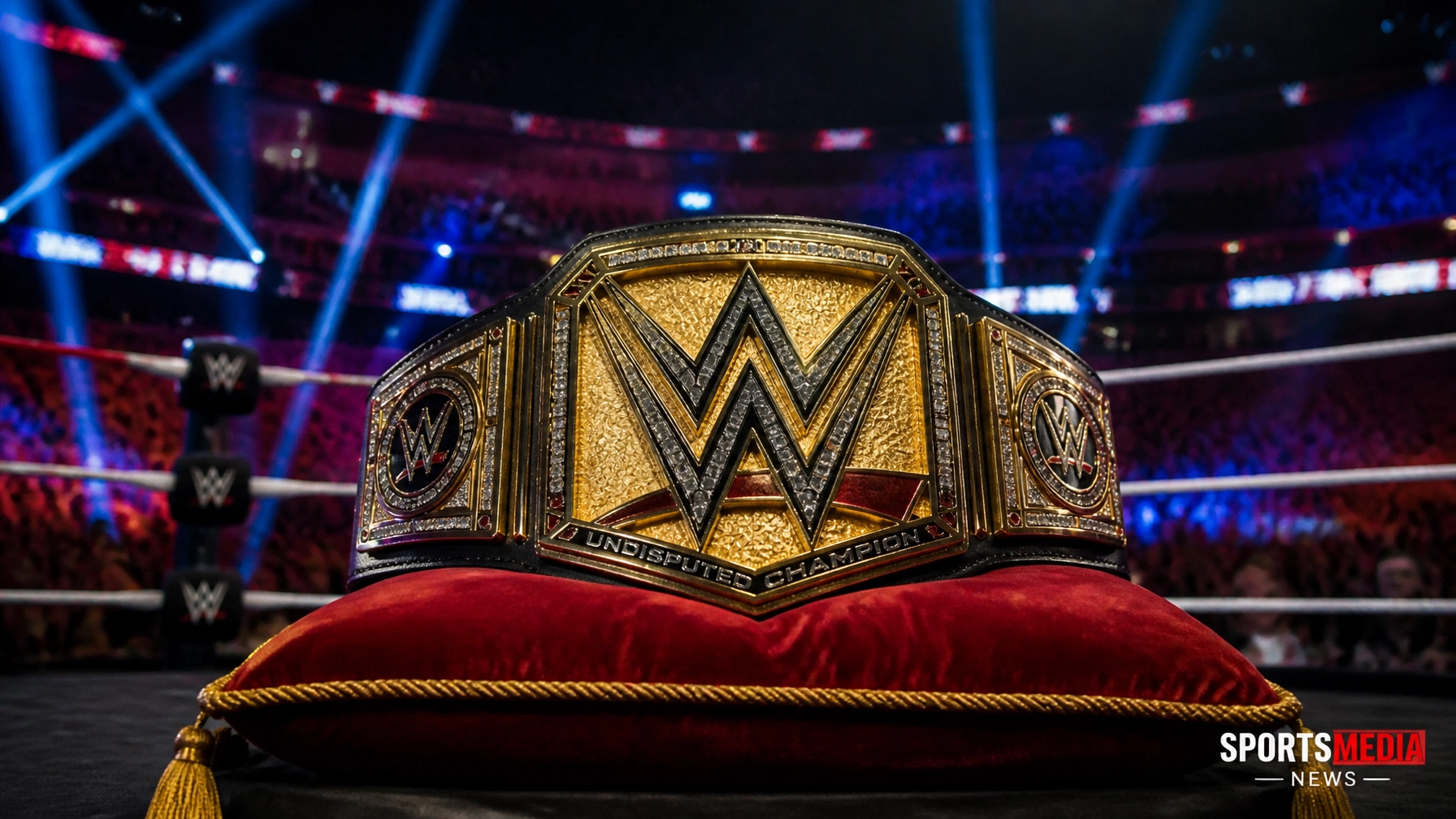
Drew McIntyre has become a key pillar of this new era. WWE's title history lists him as Undisputed WWE Champion beginning January 9, 2026, ending Cody Rhodes' reign that began in August 2025, a shift that firmly repositions McIntyre from "pandemic‑era" champion to a present‑day franchise player. Coverage of his run often frames it through his long‑running issues with The Bloodline and unfinished business dating back several years, giving his reign a sense of narrative closure and renewal at the same time.
By contrast, Sami Zayn's story has remained more aspirational than factual. Late‑2025 and early‑2026 analysis consistently presents him as someone who should finally win a world title rather than someone who already has, placing him alongside LA Knight as a fan‑backed candidate for a long‑awaited crowning moment. The distinction underscores a broader point: some projected title changes, like a Zayn world‑title win, remain firmly in the realm of speculation.
Surrounding these threads are names like Cody Rhodes, CM Punk, Seth Rollins, LA Knight, and Bron Breakker, all of whom are repeatedly discussed as fixtures in or around the world‑title orbit. Columns spotlight potential mega‑feuds such as Punk vs. Rollins, Breakker's projected ascent to his first WWE Championship, and the possibility of Knight and Zayn finally breaking through, reinforcing that the upper card is conceived as a rotation of established stars and rising headliners rather than a single dominant act. Taken together, the title landscape is widely depicted as one in which each brand's top champion serves as a hub for multiple intersecting stories rather than a closed‑off, one‑feud lane.
Factions, turns and slow‑burn grudges
Beyond the belts, 2026 WWE discourse is dominated by factions and long‑term character arcs. Analysts repeatedly note that stables that defined the previous few years still loom large on television, but many appear to be inching toward breakups or reinventions.
The Judgment Day is the most prominent example. Coverage often describes the group as a stable WWE has flirted with splitting "for what seems like an eternity," with many observers expecting an eventual implosion built around Dominik Mysterio either stepping up as a solo act or being cast out of the faction entirely. Elsewhere, high‑profile names such as Randy Orton and Bianca Belair are frequently cited as prime candidates for heel turns, with opinion pieces arguing that shifting their alignments could provide a jolt to the main‑event scene.
Broader discussions of storylines WWE "should revisit and complete in 2026" point to unfinished feuds, particularly McIntyre's lingering issues with The Bloodline, as ideal vehicles for long‑term grudges and slow‑burn payoffs. In the tag and trios divisions, while specifics vary, the classic tension between loyalty and ambition- one partner eyeing singles glory while another clings to the team- remains a favored storytelling device that can be revisited whenever a division needs an emotional spark.
Whether already unfolding on television or still largely speculative, these faction and character arcs give WWE a deep reservoir of "in progress" stories that can be escalated into major angles when needed, a point repeatedly emphasized in calls for the company to make bolder creative choices.
Women's division: bridging eras
On the women's side, 2026 coverage consistently frames WWE as a division in transition, balancing long‑time headliners with a new generation of challengers. The top of the card remains populated by names such as Becky Lynch and Bianca Belair, but there is persistent pressure in analysis to create fresh, credible opponents and avoid overly safe booking.

Opinion pieces on "key storylines" and "necessary changes" stress that WWE's women's roster is deep, yet often underutilized, arguing for more defined pushes for newer names alongside established stars. Roster tracking and brand‑by‑brand breakdowns indicate that recent call‑ups and signings are being integrated into Raw and SmackDown rather than replacing veterans outright, creating a layered hierarchy rather than a wholesale reset.
Tournaments and specialty events are central to this strategy. Features on potential breakout performers point to formats such as Queen of the Ring and brackets for mid‑card or specialty championships as key platforms for spotlighting emerging women. By allowing less established wrestlers to win early‑round matches and make deep but not always victorious runs, these structures help build familiarity and credibility without immediately dethroning top champions.
Collectively, the women's narrative is framed as a deliberate attempt to bridge the gap between the "Four Horsewomen" generation and a new class of female stars. Cross‑brand appearances, tournament runs and carefully chosen pairings with veterans are all presented as tools to determine who can realistically carry the division in the long term.
Mid‑card and the rise of the "new class"
Much of the forward‑looking conversation about WWE in 2026 focuses on the mid‑card and the so‑called "new class" of talent, particularly those who have recently graduated from NXT or joined the company from other promotions. Across Raw and SmackDown, names like Oba Femi, Ethan Page, Joe Hendry, Je'Von Evans and Trick Williams frequently crop up in roster analysis and "must book" columns as wrestlers who could anchor the mid‑card and eventually move into main‑event roles.
The narrative around this group tends to center on validation. These wrestlers are framed as needing to "prove they belong" by disrupting established veterans, winning multi‑man matches or making deep runs in tournaments such as King of the Ring and number‑one‑contender brackets to earn high‑profile title shots. Not every proposed direction has manifested on television: many appear as recommendations rather than documented feuds, but the pattern across multiple outlets is clear: WWE has a sizable pool of newer talent and is expected, and in some cases encouraged, to use high‑stakes environments to test them early in their TV runs.
The idea that these pushes "dont all pay off immediately" mirrors WWE's historical approach: some performers catch fire quickly and are elevated, while others simmer in the mid‑card until the creative team chooses to fully commit. The throughline in contemporary analysis is that, whatever the pace, the company is at least positioning fresh talent to potentially inherit key roles over the next few years.
NXT 2026: championships and experimentation
NXT in 2026 continues to serve as WWE's experimental and developmental proving ground, with its own championship ecosystem and a heavy emphasis on tournaments and event‑driven storytelling. The brand's title scenes are built around rotating casts of prospects and crossover names, with major events acting as tentpoles for its narratives.

At NXT Stand & Deliver 2026, Tony D'Angelo defeated Joe Hendry, Ricky Saints, and Ethan Page in a fatal four‑way main event to capture the NXT Championship, underscoring NXT's reliance on multi‑man title matches to spotlight multiple rising stars at once. Subsequent episodes have continued to build around D'Angelo's interactions with those same contenders, reflecting NXT's tendency to keep its core players intertwined over several programs.
The NXT Women's division is similarly fluid. At The Great American Bash 2026, Kendal Grey defeated Lola Vice to claim the NXT Women's Championship, concluding an arc that began on earlier television. Prior episodes had featured Lola Vice defending the title against challengers such as Izzi Dame, illustrating how NXT cycles a variety of opponents through its top women's belt to maintain a sense of constant motion.
NXT's Speed‑branded and other digital‑first championships add another layer to the brand's identity. Episodes like the May 26, 2026 show prominently feature Speed Title tournaments and matches involving Romeo Moreno, Nathan Frazer, Sean Legacy and Dorian Van Dux, with short time limits and brisk formats designed to highlight fast‑paced wrestling. These titles provide distinct lanes for wrestlers to gain traction and exposure without immediately entering the main NXT or NXT Women's Championship picture.
Because NXT's calendar is built around events such as Stand & Deliver and The Great American Bash, its storylines often converge on multi‑match supercards where several feuds and titles culminate simultaneously, then reset with new challengers emerging in the aftermath.
NXT as a bridge between brands
Beyond its own championships, NXT functions as a practical bridge between developmental and main‑roster storytelling. Weekly shows and special events regularly feature returning main‑roster names or heavily hyped debuts and call‑ups, lending star power to the brand while giving veterans fresh opponents and prospects valuable exposure.
Appearances by wrestlers like Nathan Frazer in Speed tournaments illustrate how NXT blurs the lines between strictly developmental performers and those already tested on larger stages. Strategic analyses often highlight this kind of integration: main‑roster wrestlers dropping back into NXT for short arcs and NXT prospects being showcased ahead of expected promotions as a key part of WWE's broader pipeline. While not every proposed crossover has materialized, the overall pattern of NXT as a place where narrative seeds are planted before blooming on Raw and SmackDown is a consistent feature of 2026 coverage.
A company in transition
Across WWE's brands, several overarching themes emerge from current reporting and commentary. Transition and succession are at the forefront, with Drew McIntyre's confirmed title run, the anticipated rise of Bron Breakker, and the elevation of NXT champions like Tony D'Angelo and Kendal Grey all framed as steps in a broader generational shift. Factions and fractures remain central, as stables such as The Judgment Day are portrayed as being on the cusp of implosion and potential heel or face turns for stars like Randy Orton and Bianca Belair are treated as looming inflection points.
At the same time, the tension between a "new class" and the established old guard runs through much of WWE's discourse. Newcomers like Oba Femi and Ethan Page, along with other NXT graduates, are repeatedly spotlighted as future cornerstones, while current champions and headliners continue to define the present.
Taken together, the picture of WWE and NXT in 2026 is that of a promotion managing an active generational handoff. Long‑time stars remain vital to the product, but every show is threaded with newcomers, rising champions and evolving personas that are clearly being groomed to carry the narrative load in the years ahead.
Mark Ricci is a senior contributor for Sportsmedia News, covering professional wrestling, combat sports, and the business of sports entertainment.