


By Mark Ricci | July 15th, 2026
The 2026 FIFA World Cup quarterfinals and semifinals delivered exactly what fans hoped for from a 48‑team tournament: heavyweight clashes, extra‑time drama, and a final four packed with global giants. France, Spain, England, and defending champions Argentina emerged from the chaos, setting up a semifinal lineup many observers described as close to ideal.
Quarterfinal lineup and context
After a knockout stage filled with late comebacks and penalty shootouts, the last eight teams were set: France, Morocco, Spain, Belgium, England, Norway, Argentina, and Switzerland.
The quarterfinal bracket featured four high‑profile ties:
- France vs Morocco
- Spain vs Belgium
- England vs Norway
- Argentina vs Switzerland
All four matches were played in the United States, underscoring the co‑hosts’ role as the tournament’s main stage even after USA, Canada and Mexico had been eliminated in the Round of 16.
France vs Morocco: repeat and revenge
France opened the quarterfinals against Morocco in a rematch of their 2022 semifinal.
Kylian Mbappé and France won 2–0, once again ending Morocco’s run and underlining Les Bleus’ status as one of the tournament favorites. Reports described it as one of France’s most controlled performances, with Morocco unable to replicate the giant‑killing streak that carried them deep in 2022.

With the win, France advanced to yet another semifinal, continuing a run of deep World Cup finishes built around Mbappé’s prolific scoring and a deep, balanced squad.
Spain vs Belgium: tight contest decided late
Spain’s quarterfinal against Belgium was one of the most anticipated matches of the tournament, following Belgium’s 4–1 demolition of co‑hosts USA in the Round of 16.
Spain edged Belgium 2–1, with both sides enjoying periods of control before Spain found the decisive goal to close out the match. The result ended Belgium’s run and confirmed Spain’s resurgence as a major force, with their blend of possession play and clinical finishing proving enough to outlast a dangerous Belgian team.
Spain’s victory sent them to a World Cup semifinal for the first time since their title‑winning campaign in 2010.
England vs Norway: extra‑time epic
On the other side of the bracket, England faced Norway in one of the quarterfinal round’s most dramatic games.
England won 2–1 after extra time, with star midfielder Jude Bellingham scoring both goals in a brace that carried the Three Lions through. Reports noted difficult conditions in Miami and a Norway team led by Erling Haaland that pushed England to the limit before finally succumbing in extra time.

The result sent England back to the World Cup semifinals for the first time since 2018 and strengthened Bellingham’s case as one of the tournament’s standout players, with six goals to his name by that stage.
Argentina vs Switzerland: champions survive in extra time
Defending champions Argentina closed out the quarterfinals against surprise package Switzerland, who had reached the last eight after a penalty‑shootout win over Colombia.
Alexis Mac Allister gave Argentina an early lead from a corner in the first half. Switzerland equalized after the hour mark through Dan Ndoye, making it 1–1 and sending the match into extra time.
In extra time, Julián Álvarez scored a long‑range goal in the 112th minute, and Lautaro Martínez added another deep into stoppage time to seal a 3–1 win. The victory sent Argentina into the semifinals, continuing their record of reaching the last four in three of the past four World Cups, and kept Lionel Messi’s bid for a second consecutive title alive.
Quarterfinal themes
Across the four quarterfinal matches, a few themes stood out:
- Star power delivered: Mbappé, Bellingham and Messi (through goals, assists and leadership) all played central roles as their teams advanced.
- Extra‑time resilience: England and Argentina both needed extra time to get past stubborn opponents, underscoring how fine the margins were at this stage.
- European depth vs upstarts: Morocco, Norway and Switzerland all pushed heavyweights deep into matches, but ultimately France, England and Argentina held their nerve.
By the end of the quarterfinals, the field had narrowed to four traditional powers: France, Spain, England, and Argentina.
Semifinal lineup and schedule
The semifinal bracket matched four of the world’s top‑ranked teams:
- France vs Spain
- England vs Argentina
According to major outlets’ schedules, the semifinals were set as follows:
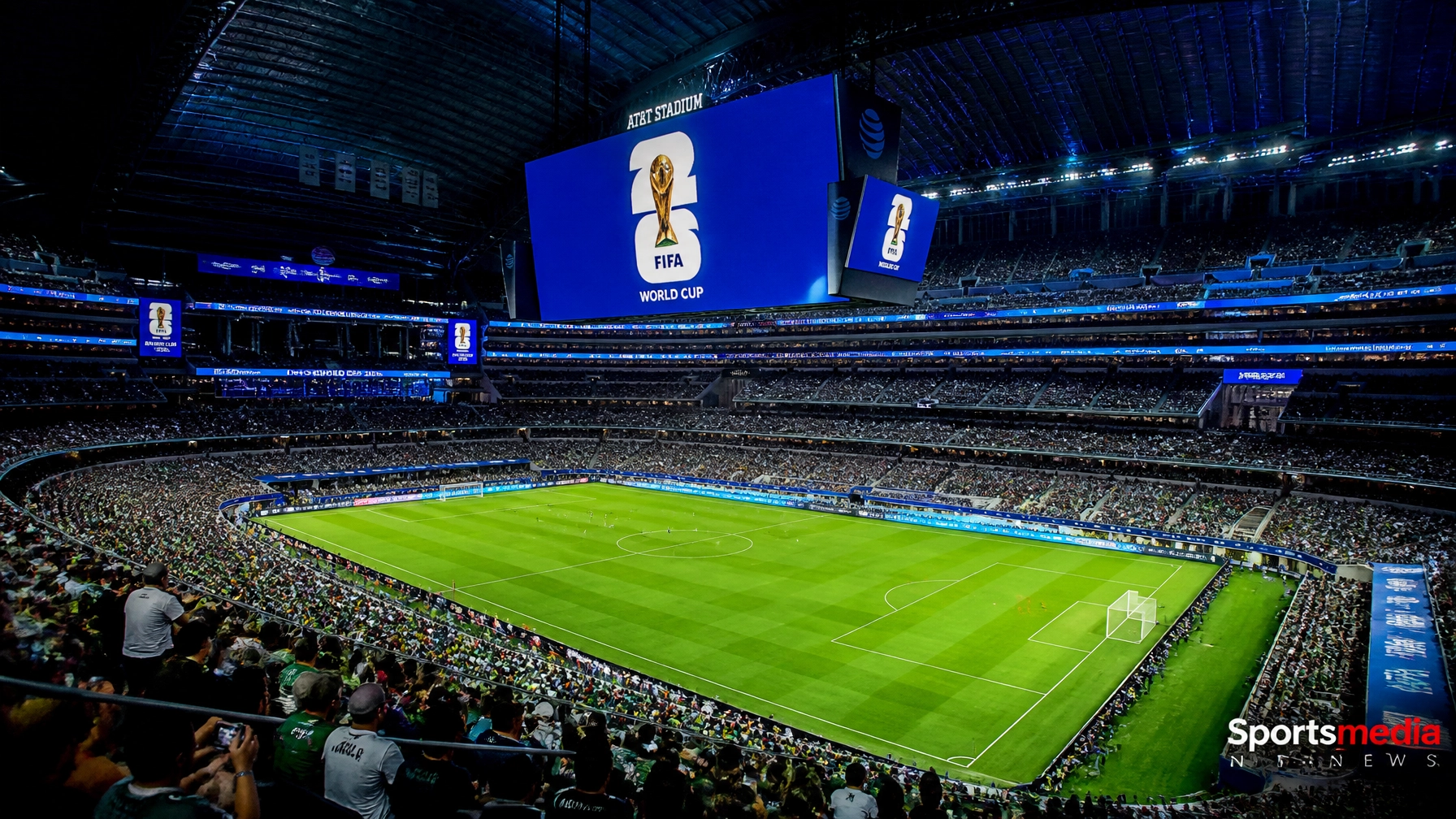
- France vs Spain: played in Arlington, Texas (AT&T Stadium), on Tuesday, July 14 (local date), in a prime‑time slot.
- England vs Argentina: scheduled for Atlanta’s Mercedes‑Benz Stadium, with the winner to face Spain in the final at MetLife Stadium in New Jersey.
Broadcasts were carried in the U.S. by FOX and Telemundo, with streaming options through Fox platforms and Peacock, while global audiences watched via local rights holders.

France vs Spain: giant falls at the penultimate hurdle
The first semifinal saw France face Spain in a clash between two of the tournament’s most complete teams.
Spain beat France 2–0, comfortably shutting down one of the most prolific attacks in the competition. Mikel Oyarzabal converted a first‑half penalty won via Lamine Yamal’s clever play, and Pedro Porro added a second in the 58th minute.
Reports noted that Spain controlled large portions of the match, frustrated Mbappé, and recorded a record sixth clean sheet in seven games at the tournament. The result knocked out a pre‑tournament favorite and sent Spain to their second World Cup final, their first since lifting the trophy in 2010.
England vs Argentina: modern classic in the making
The second semifinal brought together unbeaten England and defending champions Argentina in Atlanta.
Both teams had survived quarterfinal scares: England in extra time against Norway, Argentina against Switzerland, adding to the sense that this was a meeting of battle‑tested heavyweights. Previews focused on Lionel Messi’s quest for a second consecutive title and England’s mix of Bellingham’s form, Harry Kane’s experience, and a deep supporting cast. At the time of the most recent reports, detailed play‑by‑play coverage of the semifinal result was still emerging, but the match was widely billed as a “dream” semifinal with massive global interest.
Semifinal storylines and projections
Data providers and analysts added another layer to the semifinals:
- Opta’s tournament model gave France the highest pre‑semifinal probability of winning the World Cup, followed by Spain, England and Argentina: projections that Spain’s 2–0 win over France immediately upended.
- Top scorer tables ahead of the semifinals showed Kylian Mbappé and Lionel Messi leading the Golden Boot race with eight goals each, Erling Haaland on seven, and Jude Bellingham and Harry Kane on six, underscoring how central star forwards and attacking midfielders have been to their teams’ progress.
These numbers reinforced the sense that the semifinals represented both tactical battles and personal duels among the sport’s biggest names.
Overall significance
The 2026 World Cup quarterfinals and semifinals underscored how the expanded tournament still funnels toward familiar powers. France, Spain, England, and Argentina all justified their status as top contenders, while upstarts like Morocco, Norway, and Switzerland showed that the gap can narrow, but not always close, over 90 (or 120) minutes.

With Spain already into the final and England vs Argentina determining their opponent, the late stages of 2026 have become a showcase of star power, tactical sophistication, and the enduring dominance of the game’s traditional giants.
Mark Ricci is a senior contributor for Sportsmedia News, covering the FIFA World Cup, international soccer, and tournament analysis.