


By Mark Ricci | July 16th, 2026
The WNBA in 2026 is defined by a busy regular season, a huge All-Star showcase in Chicago, and a league still managing the aftershocks of major offseason changes. Expansion, a new CBA, and a wave of player movement have made this one of the league's most eventful years in recent memory.
Season and schedule
The 2026 WNBA season began on May 8 and is scheduled to run through September 24. The league's calendar also includes the Commissioner's Cup tournament in June, followed by the Cup championship on June 30, creating another midseason pressure point beyond the regular standings race.
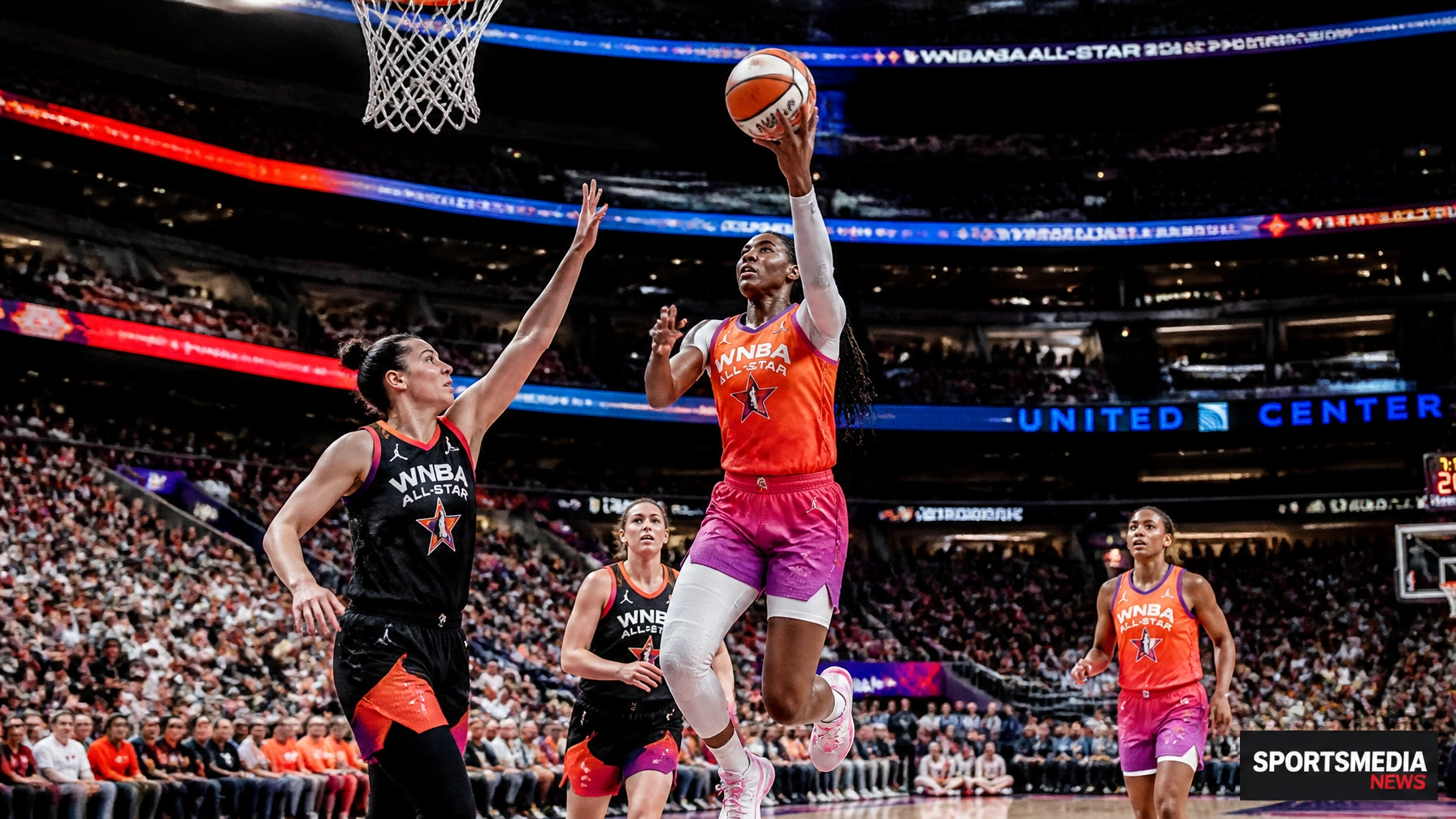
The biggest event on the summer calendar is the AT&T WNBA All-Star Weekend in Chicago, set for July 24 and July 25. The game will be played at the United Center, with the skills events at Wintrust Arena, giving the league a major showcase in one of its biggest basketball markets.
Expansion and new faces
One of the most significant developments in 2026 is expansion, with the league now at 15 teams after the additions of the Portland Fire and Toronto Tempo. That growth has reshaped the competitive and commercial landscape, giving the league more markets, more roster spots, and more room for new stars to emerge.

Expansion has also made every transaction and roster move more important. The WNBA player movement page shows constant signing activity, including short-term contracts and midseason additions, such as Eliska Hamzova joining the Minnesota Lynx on a 7-day deal. Those small moves matter in a league where depth and availability can quickly swing playoff positioning.
CBA and labor picture
The biggest off-court story in 2026 remains the new collective bargaining agreement. The league and the WNBPA reached a tentative seven-year deal in March, with the agreement set to run from the 2026 season through 2032. The new CBA introduces a revenue-sharing model and significantly raises player compensation and benefits, making it one of the most consequential labor agreements in women's sports.

That resolution removed one major source of uncertainty, but it also underscored how much leverage and scrutiny now sit around revenue sharing, player benefits, and the league's next phase of growth. The new deal gives the WNBA a more stable foundation as it tries to capitalize on the momentum of expansion and rising visibility.
On-court storylines
On the court, the 2026 season has featured a mix of veteran teams and emerging challengers. The Minnesota Lynx, New York Liberty, Las Vegas Aces, Indiana Fever, and Seattle Storm have all remained central to the national conversation, with each team carrying a different kind of storyline: championship expectations, star power, or the pressure of living up to preseason hype.
Cheryl Reeve's coaching milestone for Minnesota in July is one example of how individual achievements are still creating subplots inside the broader race. ESPN's schedule and standings pages also show a league with active race lines across both conferences, while the addition of expansion clubs has shifted the season's competitive feel.
Player's big moments
The 2026 season has also been shaped by major individual performances and star-driven storylines.
Caitlin Clark remains a national focal point for the Indiana Fever, with her shooting, playmaking, and ability to draw huge audiences making Fever games among the league's biggest events. Her matchups against high-profile opponents continue to be a major draw for the league.

A'ja Wilson remains the standard-bearer for two-way excellence in the WNBA. The Las Vegas Aces forward has continued to anchor the team with elite scoring and defense, keeping the Aces in the championship conversation. Her presence at the top of the league's talent pyramid gives the season a clear veteran benchmark.

Breanna Stewart has been a cornerstone for the New York Liberty, bringing her MVP-caliber versatility to a team that remains a title contender. Sabrina Ionescu has also been a key piece for New York, giving the Liberty another star-level creator and one of the league's most dangerous perimeter threats.
Angel Reese has remained one of the league's most closely watched young stars, with her rebounding, physical play, and presence around the basket keeping her at the center of Chicago's storyline heading into All-Star Weekend. Aliyah Boston has continued to develop into a more complete frontcourt player for Indiana, while Nneka Ogwumike has remained a stabilizing force for Seattle with her leadership and all-around production.
What to watch next
The rest of 2026 will be shaped by how the league handles the stretch run after All-Star Weekend, how expansion teams continue to settle in, and whether the new CBA delivers a more stable baseline for the league's next era. The season still has plenty of room for a title push, breakout performances, and roster churn, but the big picture already feels clear: the WNBA is bigger, busier, and more visible than it was a year ago.
Mark Ricci is a senior contributor for Sportsmedia News, covering the WNBA, women's basketball, and the business of the league.