


By Mark Ricci | July 16, 2026
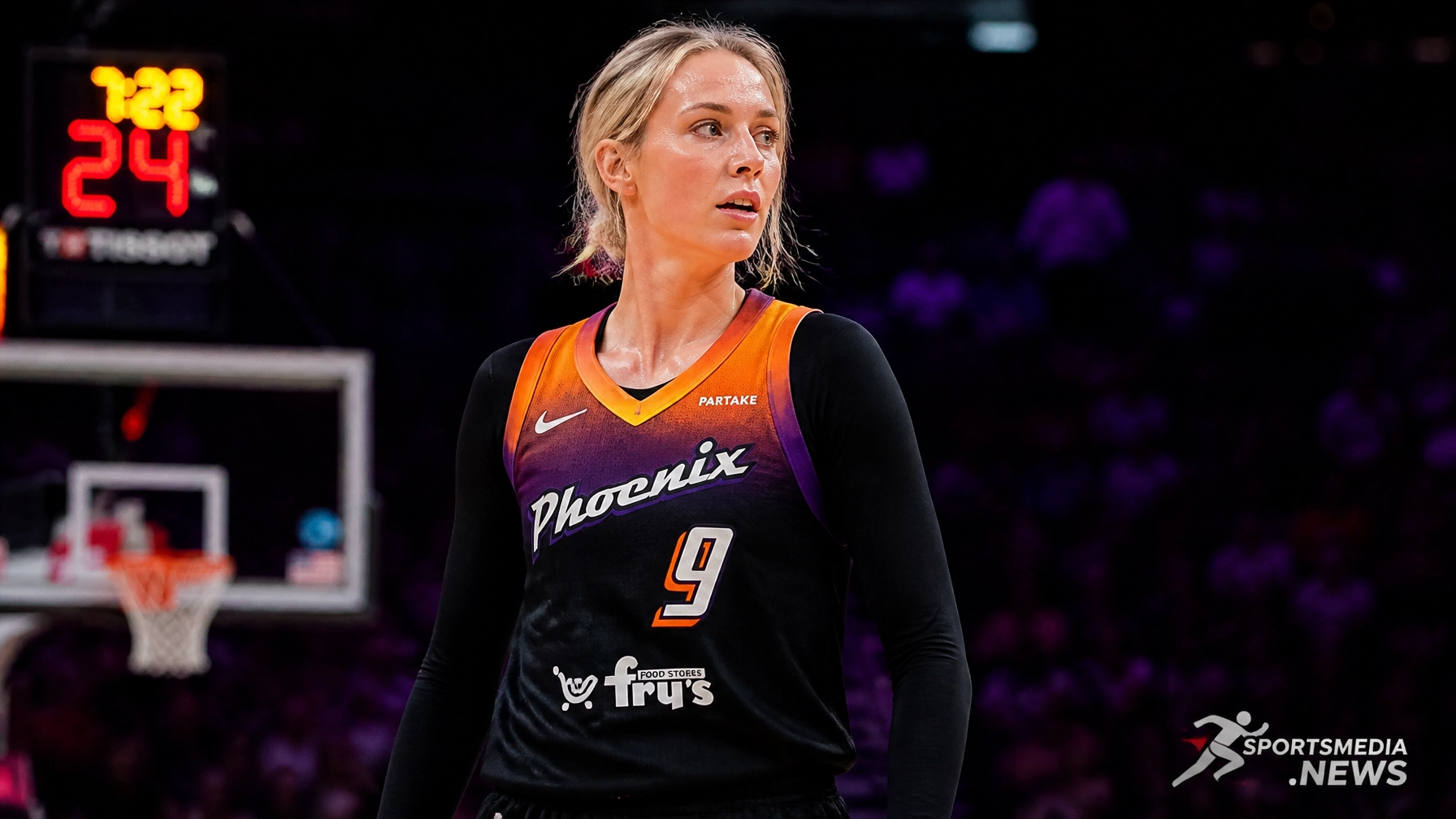
Sophie Cunningham’s “pointing” moment is one of the WNBA’s biggest viral stories of 2026, turning a short on‑court exchange into a meme that dominated social media and sparked debate about officiating, player relationships, and how the league handles its stars.
The game and the incident
The incident happened during a June 22, 2026, matchup between the Indiana Fever and the Phoenix Mercury at Gainbridge Fieldhouse. Late in the fourth quarter, with the Fever leading, Caitlin Clark fouled Phoenix veteran DeWanna Bonner on a post‑up play. Bonner then shoved Clark away, and the two exchanged words, leading to a technical foul on Clark for what was described as “agitating” the situation.
As Clark argued the call with the officials, a separate confrontation developed on the sideline between Cunningham and Bonner. Cunningham, frustrated that Bonner had not also been penalized, began pointing at Bonner while speaking to the referee. The gesture lasted roughly 22 seconds, with Cunningham holding her finger out and Bonner turning to tell her not to point at her. Both players ultimately received offsetting technical fouls as part of a larger sequence that also involved Alyssa Thomas and NaLyssa Smith.
The Fever won the game 86–77, but the post‑game attention quickly shifted from the result to the pointing exchange.

How it went viral
A clip of the moment was posted on social media the next day and quickly went viral. The video racked up tens of millions of views, with users turning the silent, intense pointing into reaction GIFs, memes about sibling arguments, and even edits that styled the scene like a Renaissance painting or compared it to other famous pop‑culture stare‑downs.
The meme spread far beyond basketball circles. It was used to illustrate everything from minor roommate disputes to political arguments, with the common thread being a wordless, exaggerated “calling someone out” moment. The image became so ubiquitous that it was hard to scroll through WNBA or general sports feeds without seeing a Cunningham‑pointing reaction somewhere.
Cunningham’s explanation
Cunningham addressed the moment on her podcast, “Show Me Something,” a few days after the game. She called the pointing “the stupidest thing I’ve ever done,” but also explained that she was trying to make a point to the officials about consistency.
In her account, she was speaking to the referee about why Clark had received a technical, but Bonner had not. When Bonner told her “Don’t point at me,” Cunningham said she realized she’d made a bad decision in the moment but also admitted she kept pointing because it was clearly upsetting Bonner. She emphasized that she didn’t say a word during the viral portion of the clip, which she believes is a big reason it resonated so strongly online.
She also used the platform to reiterate her belief that Clark faces unusually physical defense and doesn’t always get the protection she deserves from officials, a theme that has run through much of the conversation around the Fever star in 2026.

Why it matters beyond the meme
The pointing moment tapped into several larger WNBA storylines:
- Officiating and star treatment: The debate over whether Clark is fouled or technical‑fouled at a different rate than other players has been a recurring topic. Cunningham’s frustration, even if expressed in a meme‑worthy way, reflected a broader conversation about how the league manages physical play and protects its most marketable stars.
- Veteran vs. new guard dynamics: The interaction between a veteran like Bonner and a Fever team built around Clark and other young stars highlighted the tension between established players and the league’s new wave of attention‑grabbing talent.
- Personality and culture: Cunningham has embraced her role as one of the league’s more outspoken personalities. Between defending Clark, calling out officiating, and now owning a viral meme, she’s become a central figure in how the 2026 WNBA season is discussed online.
Cunningham’s popularity and persona
Cunningham’s popularity has surged in 2026, not just because of the pointing meme but because of how she presents herself off the court. She is often described as attractive, funny, charismatic, and relentlessly positive: qualities that make her stand out in a league where some players are more guarded with the media.

Her confidence, fashion sense, and unapologetic personality have turned her into one of the most talked‑about names in the WNBA. Fans appreciate her fiery, fun demeanor, and she has become a favorite among both Fever supporters and casual observers who enjoy her candor and humor.
Cunningham’s willingness to defend her teammates, speak bluntly about officiating, and own her mistakes has made her a polarizing but undeniably magnetic figure. She isn’t political or overly serious in her public persona, which has helped her build a broad fanbase that appreciates her authenticity.
Even before the pointing incident, she was known as a “firecracker” on social media, with a reputation for being vocal, engaging, and entertaining. The meme only amplified that image, and she has since leaned into it, taking selfies with fans while recreating the pointing pose and joking about the moment in interviews.
Aftermath and legacy
Cunningham has leaned into the meme rather than run from it, acknowledging its reach and even comparing it to other famous viral moments. The clip remains one of the defining images of the 2026 WNBA season, a shorthand for calling someone out without saying a word.
Long-term, the “Sophie Cunningham pointing” moment will likely be remembered less for the technical fouls and more for how quickly a brief, wordless gesture can define a player’s public profile in today’s WNBA. It underscored the league’s growing cultural footprint: a single game moment can become a national talking point, a social‑media staple, and a lasting piece of WNBA lore all at once.
For Cunningham, the incident has only boosted her visibility. Her combination of on‑court aggressiveness, off‑court charisma, and willingness to engage with fans has made her one of the most recognizable and talked‑about players in the league, even if she isn’t always the star of the scorebook.
Mark Ricci is a senior contributor for Sportsmedia News, covering the WNBA, women's basketball, and the culture of sport.