


By Luis Reyes | July 15, 2026
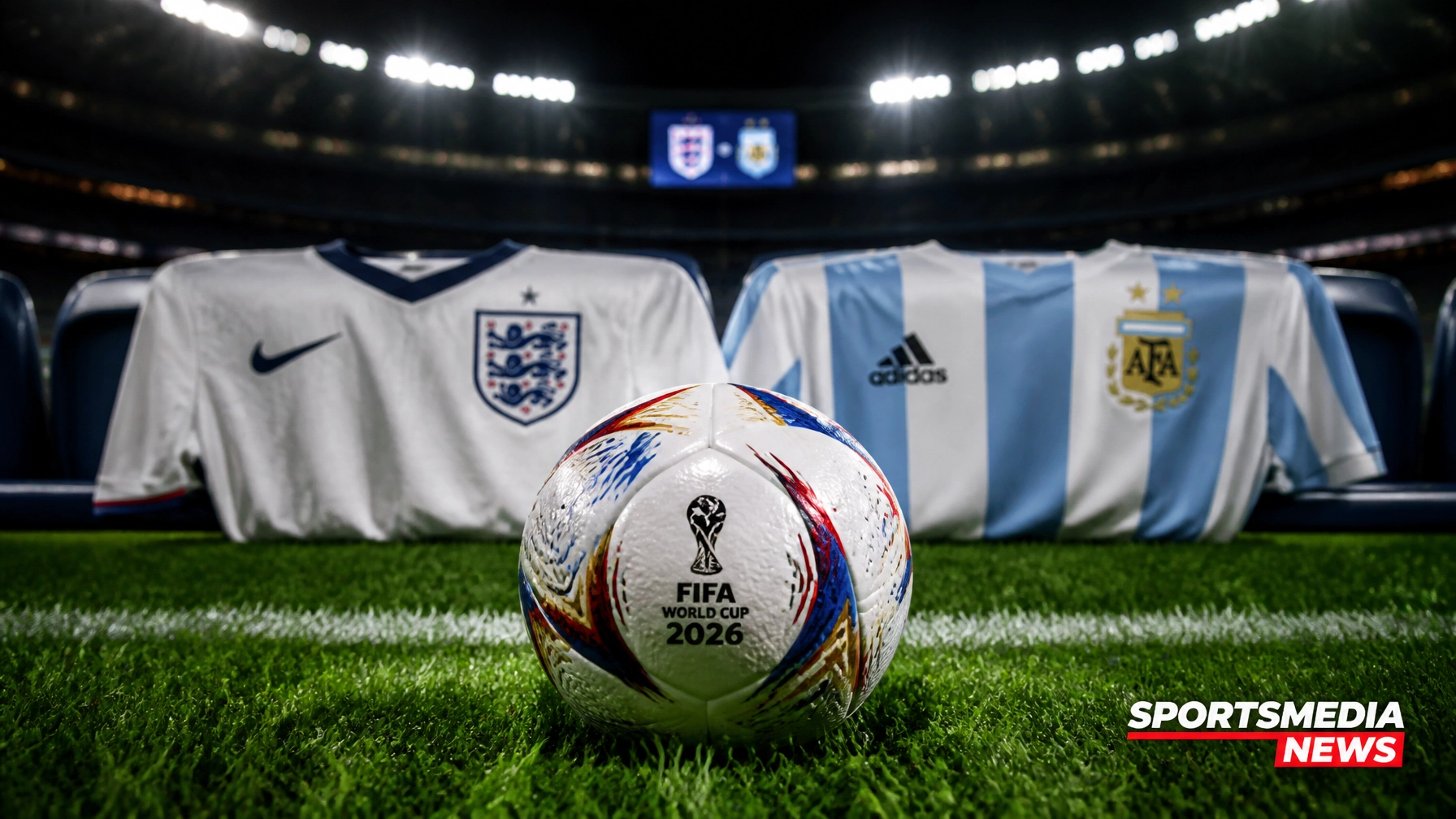
When England and Argentina meet in the 2026 World Cup semifinal, the stakes will be far greater than a place in the final. One of football's most emotional rivalries is back, fueled not only by the beauty and pain on the field but also by the legacy of the 1982 Falklands War, known in Argentina as " La Guerra de las Malvinas".
The Legacy of the Falklands War

The conflict began on April 2, when Argentina's ruling military junta, led by General Leopoldo Galtieri, ordered the invasion of the islands 300 miles off their coast. This territory has been controlled by the British since the 1800s. Amid economic and civilian turmoil, Galteri's government hoped reclaiming the islands would unite the country and raise public support. Only three days after the Argentines invaded, Prime Minister Margaret Thatcher immediately dispatched a naval task force more than 8,000 miles away. Following seventy four days of fierce warfare on all fronts, Argentina surrendered. The two month war claimed more than 900 lives, with about 600 of them being Argentine servicemen. This defeat marked the end of the military dictatorship with democratic rule returning a year later. While the general public did not fully agree on the war, the sentiment behind all the fallen soldiers made the islands a symbol of national identity and it still remains a central issue of national policy. Against this backdrop, every game since then goes beyond the field.
The Hand of God and the Goal of the Century

Only four years later, the countries met in the 1986 World Cup quarterfinal, producing one of the most famous matches in football history. Before the ball was kicked off, fights had occurred between the fans outside the stadium. The pressure began to boil over after a 0-0 first half. In the 52nd minute, a floating cross found its way to the best player in the world at the time, Diego Armando Maradona. As goalkeeper, Shilton, came out to claim the cross, the Argentine made contact with his head, and mostly his hand. While the crowd roared in disbelief, the goal counted and was labeled "The Hand Of God". Only four minutes later, Maradona "El Barrilete Cosmico", sealed the match and silenced the doubters with one of the best goals in history. Receiving the ball in midfield, he took on five Englishmen, dribbled out the goalkeeper, and tucked in the goal to seal the match. Maradona was asked about the game following the final whistle, he stated "Although we had said before the game that football had nothing to do with the Malvinas war, we knew they had killed a lot of Argentine boys there, killed them like little birds. And this was revenge."
Redemption and Penalties: 1998 to 2002

The 1986 World Cup was won by the Argentines, which furthered the rivalry after the British felt they had been unjustly eliminated. The nations met again in 1998, where David Beckham's red card incident led to their elimination to the Argentines once again, this time in penalties. Their final meeting before 2026 was a redemption for the English and David Beckham in 2002. Poetic justice struck once again, as this time the man who received the red card and couldn't participate in the shootout scored the game's only goal from the penalty spot.
Writing a New Chapter in 2026

Now, with another World Cup matchup on the horizon, a new generation of players will write the next chapter. While today's stars had no part in the events of 1982, they inherit a fixture where politics, history, and football have become impossible to separate. For millions of fans around the world, this remains more than a game, it is one of the sport's most historic and emotionally charged rivalries.
Luis Reyes is a senior contributor for Sportsmedia News, covering international soccer, World Cup history, and the intersection of politics and sport.