


By Mark Ricci | July 8th, 2026
From broadcast television to social platforms, podcasts to video games, today's athletes appear across nearly every form of media — shaping their brands as much as their on-field performances.
Sports players today appear across almost every form of media, from traditional television and print to podcasts, social platforms, video games, and their own self‑produced content. This omnipresence has turned many athletes into full‑fledged media personalities, not just subjects of coverage, and current trends in sports marketing and athlete branding reinforce that reality.
Broadcast and streaming television

Athletes regularly show up on live game broadcasts, highlight shows, and studio programs. They appear as:
- Active players interviewed before and after games, featured in halftime segments or mic'd‑up clips that bring fans closer to on‑field action.
- Retired stars working as analysts or commentators on networks and streaming services, breaking down plays and offering insider perspectives.
- Long‑form features and documentaries on sports channels or streaming platforms spotlight players' backgrounds, struggles, and careers. These programs often shape public perception as much as on‑field performance, presenting athletes as complex personalities with stories that extend beyond wins and losses.
Print, digital articles, and long‑form storytelling
Traditional newspapers, magazines, and major sports websites continue to profile athletes in written form. Players appear in:
- Game reports and season analysis that evaluate their performance, role, and impact on team success.
- In‑depth features and interviews that explore personal history, off‑field interests, activism, and business ventures.
These written pieces construct narratives—heroic, controversial, or inspirational—that can follow athletes throughout their careers, influencing how fans and sponsors see them over time.
Social media and athlete‑driven platforms

One of the biggest shifts is that players now control a large part of their own media presence. Through platforms like Instagram, TikTok, X (Twitter), and YouTube, athletes can:
- Share training routines, behind‑the‑scenes locker‑room moments, and personal life updates directly with fans.
- Respond to criticism, clarify stories, or launch charitable and social causes without going through traditional reporters.
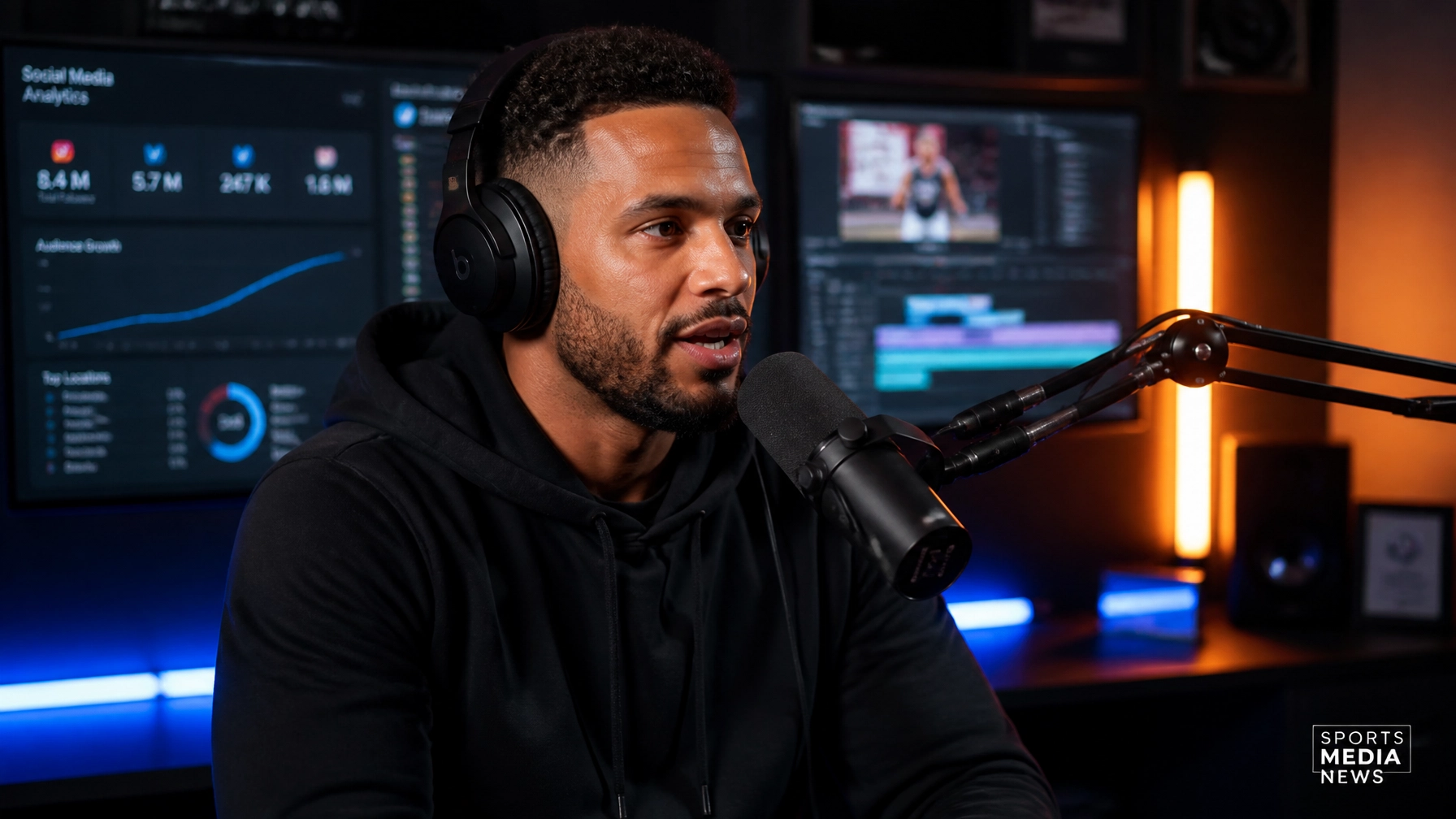
Beyond mainstream platforms, "athlete‑driven media" outlets—player‑run sites, podcasts, and channels—give athletes space to tell their stories in their own words. This reduces reliance on conventional press and lets them build personal brands around authenticity and unfiltered commentary. Recent analyses of sports marketing note that many top athletes function less like traditional endorsers and more like their own media channels, using social and video content as continuous communication with fans.linkedin+2
Podcasts, talk shows, and panel shows
Many sports players now host or co‑host media programs themselves. They appear as:
- Podcast hosts who discuss games, culture, and personal experiences, often inviting other players and celebrities as guests.
- Regular panelists or co‑hosts on talk shows and debate programs, where their playing experience adds credibility and entertainment value.
Retired athletes in particular have become central figures in sports media, running shows that can be as influential as highlight programs or written columns. Recent industry examples include athlete‑hosted video podcasts that attract large audiences and are treated as core sports content rather than side projects.hollywoodreporter+2
Advertising, endorsements, and branded content
Athletes are highly visible in advertising, from television commercials to digital campaigns. They show up in:
- Traditional brand endorsements—sportswear, beverages, cars—where their image and success help sell products.
- Social‑media sponsorships and branded posts that integrate products into their daily lives or training routines.
These appearances blur the line between sports performance and commercial persona, making athletes key figures in marketing as well as competition. Current sports marketing reports emphasize that brands treat athletes as ongoing content creators, not just faces in one‑off campaigns.eyeota+2
Video games, animation, and fictional portrayals
Sports players also appear in more stylized media forms:
- Official sports video games, where their likenesses, ratings, and signature moves become part of how fans interact with the sport.
- Animated shows, films, or fictional series where athletes play themselves or fictionalized versions of sports stars.
These representations extend an athlete's presence beyond real‑world competitions into broader entertainment culture, reinforcing their status as icons and characters in global storytelling.
Documentaries and biographical films

Documentaries and biopics have become major platforms for athletes to appear as central characters in long‑form stories. These media:
- Trace a player's journey from childhood to professional success or struggle, often highlighting key turning points.
- Highlight social issues, injuries, comebacks, or controversies that define their public image.
Such projects can significantly shift how audiences understand and judge an athlete, sometimes rehabilitating reputations or deepening admiration by showing context that regular game coverage never captures.
Overall impact: athletes as media ecosystems
Because sports players now appear in so many forms of media, they are far more than competitors; they are storytellers, commentators, influencers, and entrepreneurs. Their presence spans live broadcasts, written profiles, self‑produced content, ads, games, and film—creating layered public personas that evolve in real time.
In the current media and marketing environment, athletes function as entire media ecosystems: they compete on the field, drive conversations in studio shows and podcasts, engage fans directly through social platforms, and anchor campaigns and documentaries that shape how we see sports, culture, and even broader social issues.
Byline: Mark Ricci is a senior contributor for Sportsmedia News, specializing in the intersection of sports, media, and athlete branding.