


By Mark Ricci
July 6th 2026
The 2026 FIFA World Cup is still underway, so there is no confirmed champion yet. Because the tournament has not finished, any claim about who "the champions" are would be speculation rather than fact. What I can do is explain how whoever eventually wins will have gotten there, based on the actual structure and format of this World Cup, and the kinds of paths top contenders are taking.
The expanded World Cup format
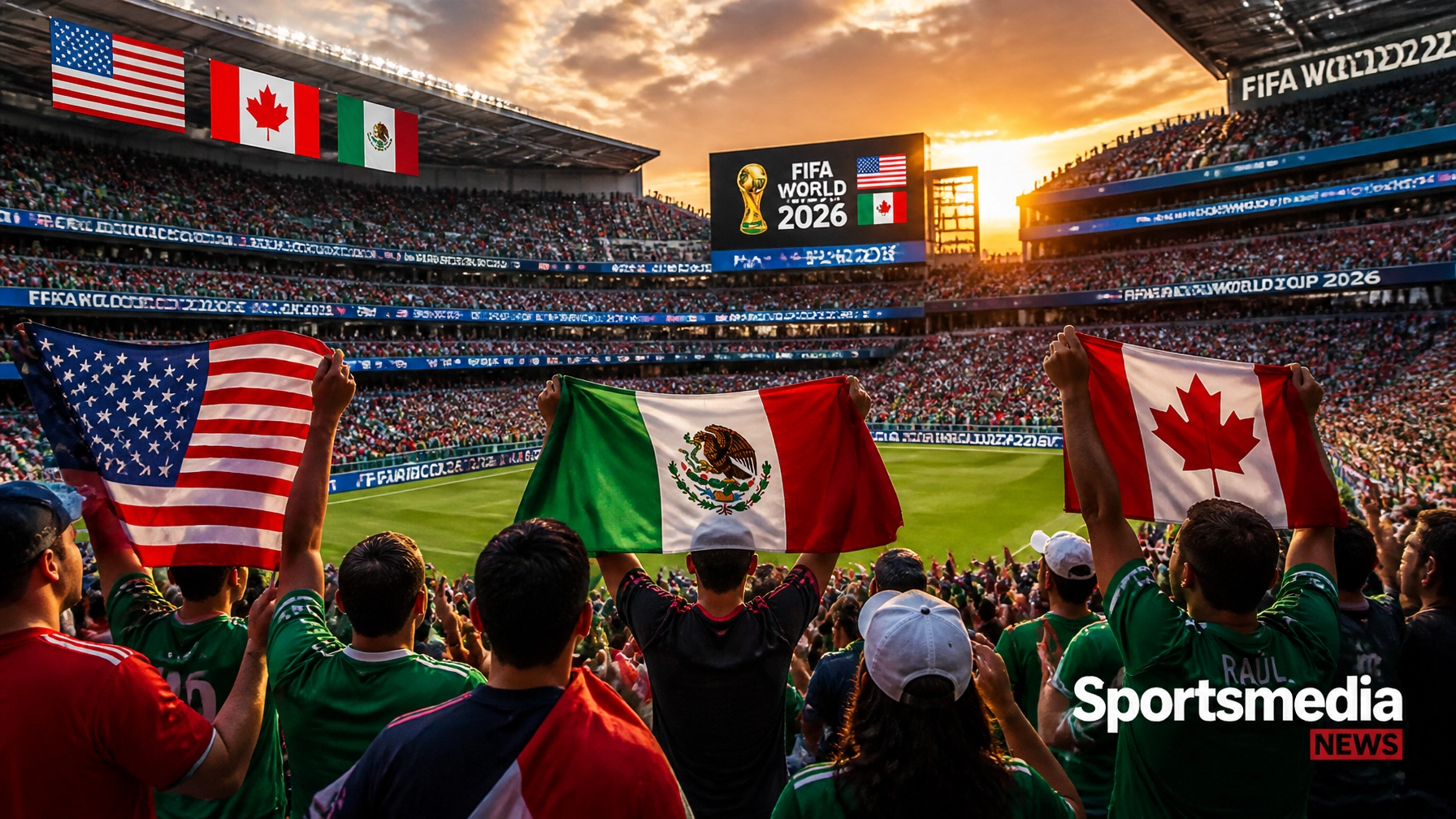
The 2026 World Cup in the United States, Canada, and Mexico is the largest men's World Cup ever, with 48 teams instead of the traditional 32. Teams are placed into 12 groups of four. The top two from each group, plus the eight best third‑place teams, advance to a newly expanded round of 32, followed by the round of 16, quarterfinals, semifinals, and the final. This means the champions will have navigated more matches and a deeper field than in previous editions, facing knockout pressure from an earlier stage.

How teams reached the tournament
To even be in contention for the title, every team had to qualify through its confederation:
- Europe (UEFA) sent a large group of traditional powers and emerging nations after a multi‑stage qualifying process in which group winners and some playoff winners secured spots.
- South America (CONMEBOL) used its long round‑robin format, where heavyweights like Brazil and Argentina earned places through consistent results.
- Asia (AFC), Africa (CAF), North/Central America (CONCACAF), and Oceania (OFC) all ran their own multi‑round qualifiers, producing both familiar names and debutants.
The eventual champions will therefore come from a team that first proved itself over a multi‑year qualification cycle, often against regional rivals in difficult conditions.
The path to becoming 2026 champions
Whoever lifts the trophy in July 2026 will have passed through several clearly defined stages:
1. Surviving the group stage
With 12 groups and a pathway for some third‑place teams to advance, the group stage rewards consistency and resilience. Champions typically:
- Earn enough points early to secure progression and manage squad rotation.
- Show the ability to break down both compact defenses and more open, attacking sides.
- Avoid major upsets that would force them into must‑win situations or early elimination.
In this expanded format, even a slow start might be survivable—but it makes the knockout path much harder, so eventual winners will almost certainly have shown strong form right from the group stage.
2. Navigating the round of 32 and round of 16
From the round of 32 onward, every match is an elimination match. To reach champion status, a team must:
- Manage game plans specific to each opponent, switching between possession, pressing, and counter‑attacks as needed.
- Cope with travel, varying climates, and different stadium environments across the three host countries.
- Show squad depth, with substitutes and rotated players stepping in without dropping the level.
This World Cup has already shown how upsets and late goals can reshape the bracket. The eventual champions will have found ways to win tight matches in these early knockout rounds—sometimes through individual brilliance, sometimes through collective discipline.

3. Winning the quarterfinals and semifinals
At this stage, the field narrows to the strongest and most in‑form sides. Champions will almost certainly:
- Beat at least one other pre‑tournament favorite or giant of the game.
- Demonstrate mental toughness in high‑pressure situations, including extra time or penalty shoot‑outs if needed.
- Balance attacking ambition with defensive solidity; teams that reach the final usually concede few goals while still creating enough chances to score.
These matches often define a team’s legacy: key goals, saves, or tactical masterstrokes in quarterfinals and semifinals are what fans and analysts remember for years.
4. Delivering in the final
The ultimate step is winning the final itself. The champions will:
- Handle the psychological weight of the occasion: global focus, national expectations, and often the presence of iconic players on both sides.
- Execute a game plan tailored to the opponent, often adjusting in real time as the match unfolds.
- Rely on big‑game players—the captain, goalkeeper, star forwards, or creative midfielders—to produce decisive moments under maximum pressure.
In a tournament this long and demanding, fitness, chemistry, and coaching decisions all converge in the final. The team that combines quality, cohesion, and composure on that day will become the 2026 world champions.

What “fútbol champions” will represent in 2026
Beyond results, the 2026 champions will symbolize several broader trends:
- Adaptation to a bigger, more global tournament: succeeding in a 48‑team World Cup shows the ability to handle more travel, more matches, and more varied opposition.
- Blend of tradition and modernity: whether the winner is a historic power or a rising nation, it will likely use modern analytics, sports science, and tactical flexibility alongside traditional strengths.
- National and regional pride: with the World Cup in North America and featuring more teams from across the world, the champions will stand as a focal point of global football culture in a new era of the sport.
Because the tournament is still in progress, we don’t yet know which team will embody all of this. But we do know what their journey must look like: a multi‑year build‑up through qualification, strong and adaptable performances in a crowded group stage, repeated success in high‑pressure knockout matches, and one final, defining display on the biggest stage in world football.
About the Author
Mark Ricci is a senior sports business correspondent covering the global football industry. His work focuses on the intersection of athlete legacy, brand evolution, and the business of professional sports.