


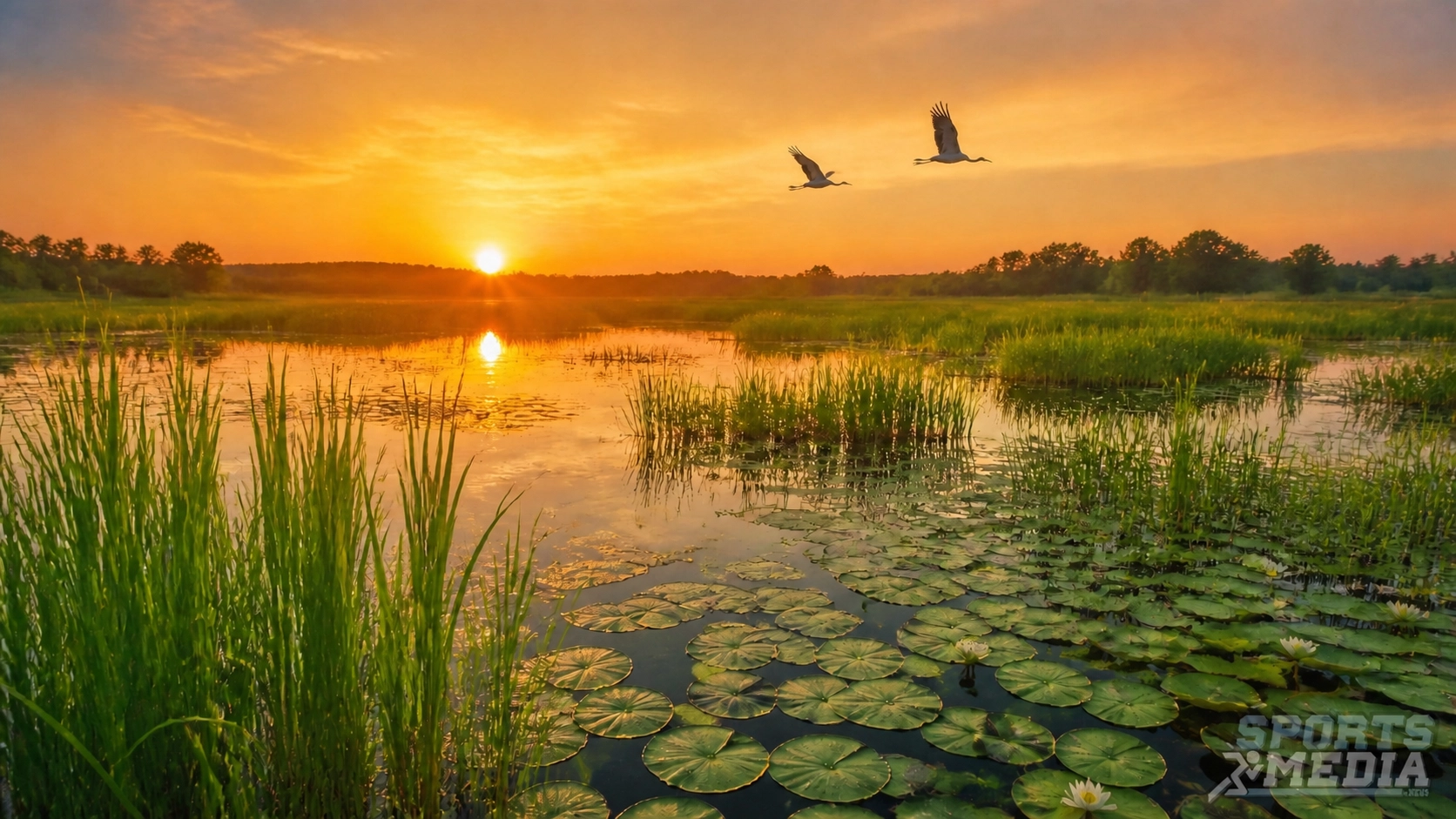
How Strategic Environmental Investments Are Strengthening Communities, Protecting Natural Resources, and Creating Lasting Economic Value
By: Trinity Martin-Sadler, Intern Journalist | July 14th, 2026
Conservation Is Entering a New Era
Wildlife restoration has become one of the most significant long-term investments in environmental sustainability. Once viewed primarily as a conservation effort aimed at protecting threatened species, restoration initiatives now play a broader role in strengthening ecosystems, supporting local economies, and improving the resilience of natural resources.
Around the world, governments, nonprofit organizations, private businesses, research institutions, and community partners are working together to restore landscapes altered by decades of development, pollution, habitat loss, and changing environmental conditions. These collaborative efforts recognize that healthy ecosystems provide lasting benefits- not only for wildlife but also for agriculture, outdoor recreation, water security, and economic development.
As conservation strategies continue to evolve, wildlife restoration is increasingly recognized as an investment in the future rather than simply an environmental expense.

Healthy Ecosystems Support Stronger Economies
The relationship between environmental health and economic prosperity has become increasingly clear. Forests, wetlands, rivers, coastal habitats, and grasslands perform essential functions that support industries across the United States and around the globe.
Clean water, fertile soils, flood protection, pollination, and sustainable fisheries all depend on functioning ecosystems. Outdoor recreation— including hiking, camping, fishing, wildlife viewing, and nature tourism—also relies on healthy landscapes that attract millions of visitors each year.
Communities that invest in protecting natural resources often experience long-term economic benefits through tourism revenue, employment opportunities, infrastructure resilience, and improved quality of life.

Innovation Is Transforming Restoration Efforts
Advances in science and technology support modern wildlife restoration, and it allowed conservation professionals to make more informed decisions.
Satellite imagery, geographic information systems (GIS), remote sensing, environmental monitoring equipment, and data analytics help researchers evaluate habitat conditions, measure restoration progress, and identify areas where conservation efforts can deliver the greatest impact.
These technologies improve project planning while allowing organizations to track measurable environmental outcomes over time. Better data also supports transparency, helping public agencies, nonprofit organizations, and private investors understand the effectiveness of restoration investments.
Long-term cooperation also allows restoration projects to adapt as environmental conditions change, ensuring that investments continue to produce meaningful results for years to come.

Sustainability Is Becoming a Business Strategy
Environmental stewardship has become an increasingly important consideration for companies across multiple industries.
Organizations are integrating sustainability into corporate strategies by supporting habitat restoration, watershed protection, reforestation, and biodiversity initiatives. These investments often complement broader environmental, social, and governance (ESG) objectives while demonstrating a commitment to responsible resource management.
Businesses also recognize that healthy ecosystems reduce environmental risks, strengthen supply chains, and help preserve the natural assets that support tourism, recreation, agriculture, and outdoor industries.

For more in-depth analysis and the latest breaking news on Zoo Media & Sports, visit our Articles section or learn more about our team at Sportsmedia News About Us.
Sources Verified
https://www.fws.gov/story/fish-and-wildlife-service-pursues-nature-based-solutions
https://www.fws.gov/CART/what-we-do
https://www.nfwf.org/what-we-do
https://coastalscience.noaa.gov/science-areas/climate-change/restoration-and-nature-based-solutions/
Media Contact
Trinity Martin-Sadler
Intern
martinsadlert2@mailbox.winthrop.edu
#EsportsInEducation
#FutureOfGaming
#ScholasticEsports
#GamingMeetsOpportunity
#FANZInnovation
#StudentSuccess