


By Hannah Vore | July 10, 2026
The National Wildlife Federation (NWF), a nonprofit conservation organization, partners with tribes across the country in conservation efforts through their Tribal Partnerships Program.
A Mission of Environmental and Economic Justice
“The goal of the Tribal Partnerships Program is to promote environmental and economic justice for Native Americans and to address inequities and resource needs for tribes at the local, state, and national levels,” wrote NWF on their website.
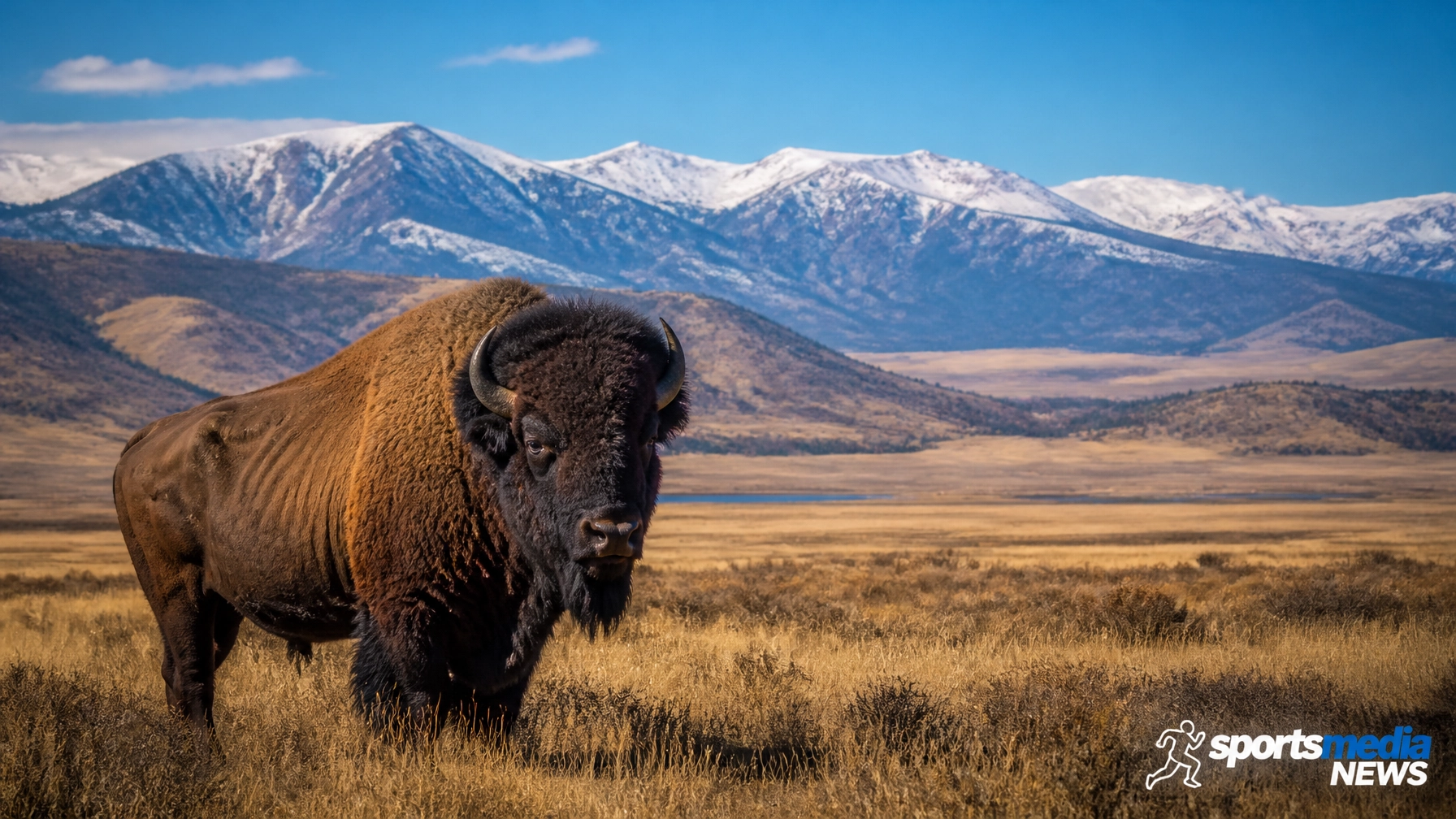
A significant part of this goal is restoring bison, also known as buffalo, to Native land.

Restoring the "Buffalo Vision"
According to the NWF Tribal Partnerships Program’s Tribal Buffalo Vision, in the early 1800s millions of buffalo roamed North America, but by 1902 there were fewer than 100 wild buffalo, restricted to Yellowstone National Park.
The tribes who relied on buffalo for survival and culture lost their way of life during the era of Manifest Destiny.

Reconnecting Culture and Land
The mission of NWF is to restore Native Americans’ cultural connection to buffalo.
That is why NWF partnered with the Inter-Tribal Buffalo Council (ITBC) and Fort Peck and Wind River Reservations to restore buffalo to where they once roamed.

The Wind River Restoration System
They are working with the Eastern Shoshone and Northern Arapaho Tribes on the Wind River Reservation to build a comprehensive system for Tribal buffalo restoration. It is the only reservation in Wyoming, encompassing just over 2 million acres of land.
In 2016, 10 wild buffalo were returned to the reservation after 130 years of absence. Since then, efforts have been made to bring in more buffalo to the herd. According to the Tribal Buffalo Vision, components of the Tribal buffalo restoration are:
• Expansion of the existing buffalo conservation herds on the Wind River Reservation
• Development of educational programming and capacity
• Development of a Buffalo Manager Training Program
• Creation of a quarantine facility
• Creation of an endowment (nonprofit)
• Exploration of economic development opportunities
• Tribal ownership, management and full benefits

Beyond Hooves on the Ground
“This is about more than seeing hooves on the ground where they once belonged, this is about restoring cultural ties, engaging youth, supporting economies, demonstrating sovereignty, producing sustainable food sources, and addressing historic injustices,” wrote NWF.