


By Mark Ricci
May 18th, 2026
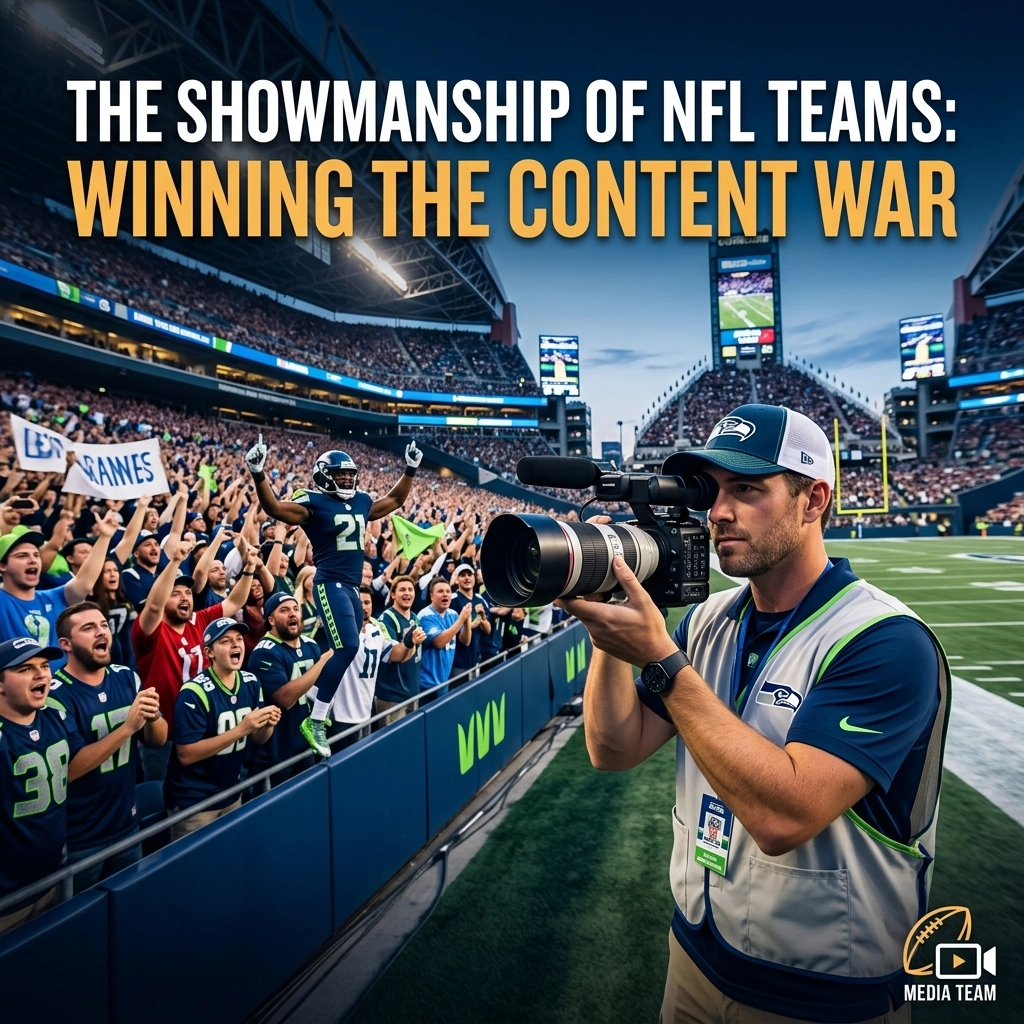
The 2026 NFL schedule reveal has officially transitioned from a standard administrative announcement to a multimillion-dollar content spectacle. What was once a simple PDF distribution has evolved into a high-stakes "content war," where social media departments compete for viral dominance as fiercely as their on-field counterparts compete for the Lombardi Trophy.
On the evening of the reveal, digital platforms were flooded with parody trailers, cinematic shorts, and pop-culture homages. This annual tradition has become a centerpiece of the NFL’s year-round marketing strategy, proving that the league is now as much a content production house as it is a professional sports organization. For front offices, the "Showmanship Era" represents a critical opportunity to define their brand identity before a single snap is taken in the 2026 season.
Schedule Release as a Creative Showdown
The 2026 reveal underscored a growing "arms race" in digital innovation. As teams vie for the attention of a younger, digitally native audience, the sophistication of these productions has reached theatrical levels. Industry experts note that these videos are no longer just about information; they are about branding strategy and market positioning.
“The schedule release is the one day of the year where the social team is the MVP,” says Sarah Jenkins, a digital marketing consultant specializing in professional sports. “In a league where every team is looking for a competitive edge, winning the 'Internet for 24 hours' has tangible value for sponsorships and fan loyalty.”
This year, the competition was particularly fierce. Teams moved away from generic highlight reels, opting instead for high-concept storytelling. The objective is to create a "memeable" moment that transcends the local market and enters the national conversation. From an organizational perspective, this is a calculated branding move designed to keep the franchise relevant during the NFL calendar's traditional "quiet" periodsBuilding on their reputation as creative leaders, the Chargers employed

Standout Performances: Gaming, Cinema, and Parody
Several franchises established themselves as leaders in the 2026 content cycle by leaning into specific subcultures and nostalgia. The most successful entries were those that successfully blended team identity with broader cultural trends.
The Los Angeles Chargers: The Gaming Standard
Building on their reputation as creative leaders, the Chargers employed**** a high-fidelity "Halo-style" concept. The video featured futuristic, mission-based framing with game-like visuals that guided viewers through the 18-week gauntlet. By tapping into the massive gaming demographic, the Chargers secured their place at the top of most "content power rankings" for the third consecutive year.
The Los Angeles Rams: Cinematic Nostalgia
The Rams opted for a stylized homage to the 2004 cult classic Napoleon Dynamite. Complete with visual gags, era-appropriate color grading, and deadpan delivery, the video resonated deeply on social media. Analysts point to this as a masterclass in branding, showcasing the team's personality while avoiding the "corporate" feel that often plagues large-scale marketing campaigns.
The Cleveland Browns: Retro Arcade Aesthetics
The Browns leaned into 90s nostalgia with "Street Fighter: CLE!" This production transformed the 2026 opponents into arcade-style boss fights. It was a strategic move that appealed to a wide age range of fans, utilizing recognizable aesthetics to make the schedule more digestible and shareable.
Other notable mentions included the Indianapolis Colts’ animated TV-parody style and the Jacksonville Jaguars’ "The Cut," which focused on local barbershop culture. These videos serve as more than just entertainment; they are a form of news delivery that prioritizes engagement over raw data.
Fan Sentiment and the "Meme Economy"
The public reaction was instantaneous, with fans ranking the videos with the same intensity usually reserved for the NFL Draft or the Super Bowl. In the modern NFL, a team's digital output is often seen as a reflection of its overall competence. A "low-effort" video can lead to fan frustration, while a viral hit can galvanize a discouraged base.
The "Hope-O-Meter," a metric often used by sports analysts to gauge fan optimism, showed significant spikes in cities with high-quality reveals. Even teams facing difficult schedules, like the Chicago Bears and Miami Dolphins, saw a temporary boost in positive sentiment due to the creativity of their content teams.
However, once the laughter from the parody trailers subsided, the reality of the 2026 calendar began to set in. Fans quickly pivoted from critiquing production value to analyzing the "gauntlet" of the actual games. On platforms like X and Reddit, the discourse shifted toward the tactical disadvantages of early bye weeks and long road trips, illustrating that while showmanship builds the brand, the schedule itself still dictates the mood of the city.

The Strategic Impact: The "Second Draft"
While the fans focus on the videos, NFL front offices treat the schedule release as a "second draft." The order and timing of games are viewed as critical variables that can dictate a season's success or failure. The 2026 schedule created immediate winners and losers based on rest differentials and travel demands.
According to data analysts, the Chicago Bears face the most difficult path in 2026, with an opponent win percentage of .550 from the previous season. Conversely, the Cleveland Browns were handed the "easiest" slate on paper, with opponents holding a combined .429 winning percentage.
"The schedule is a massive variable in terms of injury management and momentum," notes a former NFL executive. "If you have a three-game road stretch in December, that affects your roster depth in ways that a 'soft' September schedule doesn't. Teams like the Rams, who have a season opener in Melbourne, Australia, followed by a high rest-disadvantage, are starting the season with a logistical deficit."
The business implications are also significant. Prime-time slots and holiday games (like the Thanksgiving and Christmas windows) represent massive revenue opportunities for franchises. This intersection of logistics and commerce is where the "showmanship" meets the "business" of the NFL. For more on the league's business, you can explore the Sportsmedia News sitemap.
Seeking Legitimacy in a Crowded Market
The NFL's push into creative showmanship is partly a response to the increasing competition for "mass adoption" in the digital space. Just as crypto companies have inked sports sponsorships worth hundreds of millions to find legitimacy, NFL teams use high-end content to maintain their status as the premier entertainment product in North America.
This innovation in content delivery is necessary as the league expands into international markets and explores new financial frontiers. Whether it's the San Jose Sharks accepting cryptocurrency or the Brooklyn Nets landing record-breaking jersey deals, the underlying theme is the same: professional sports is an attention economy.
The 2026 schedule reveal proved that a team's identity is no longer confined to the four quarters of a Sunday game. It is a 365-day narrative built through social media, video production, and fan engagement.
Conclusion: The NFL as a Modern Content Business
As the 2026 season approaches, the "Content War" of the schedule reveal will be remembered as the opening act of the year's drama. The transition of NFL teams into full-scale content studios is complete. Wins and losses on the field will always be the primary currency, but the ability to win the "digital locker room" has become a vital secondary objective for every front office.
The showmanship displayed this May serves as a reminder that the NFL is not just a sports league: it is a serialized drama, a marketing juggernaut, and a cultural touchstone. The teams that understand they are in the storytelling business are the ones currently dominating the landscape. As we look toward kickoff, the conversation has been successfully shifted from "who do they play?" to "how did they tell the story?"
In the modern NFL, the game is played on the field, but the war is won on the screen.
By Mark Ricci
Mark Ricci is a senior contributor for SportsMedia News, specializing in NFL analysis and sports business trends. With experience covering front-office strategy, he provides deep-dive reporting on the intersection of roster construction and commercial growth in professional sports.