


By Mark Ricci
June 4, 2026
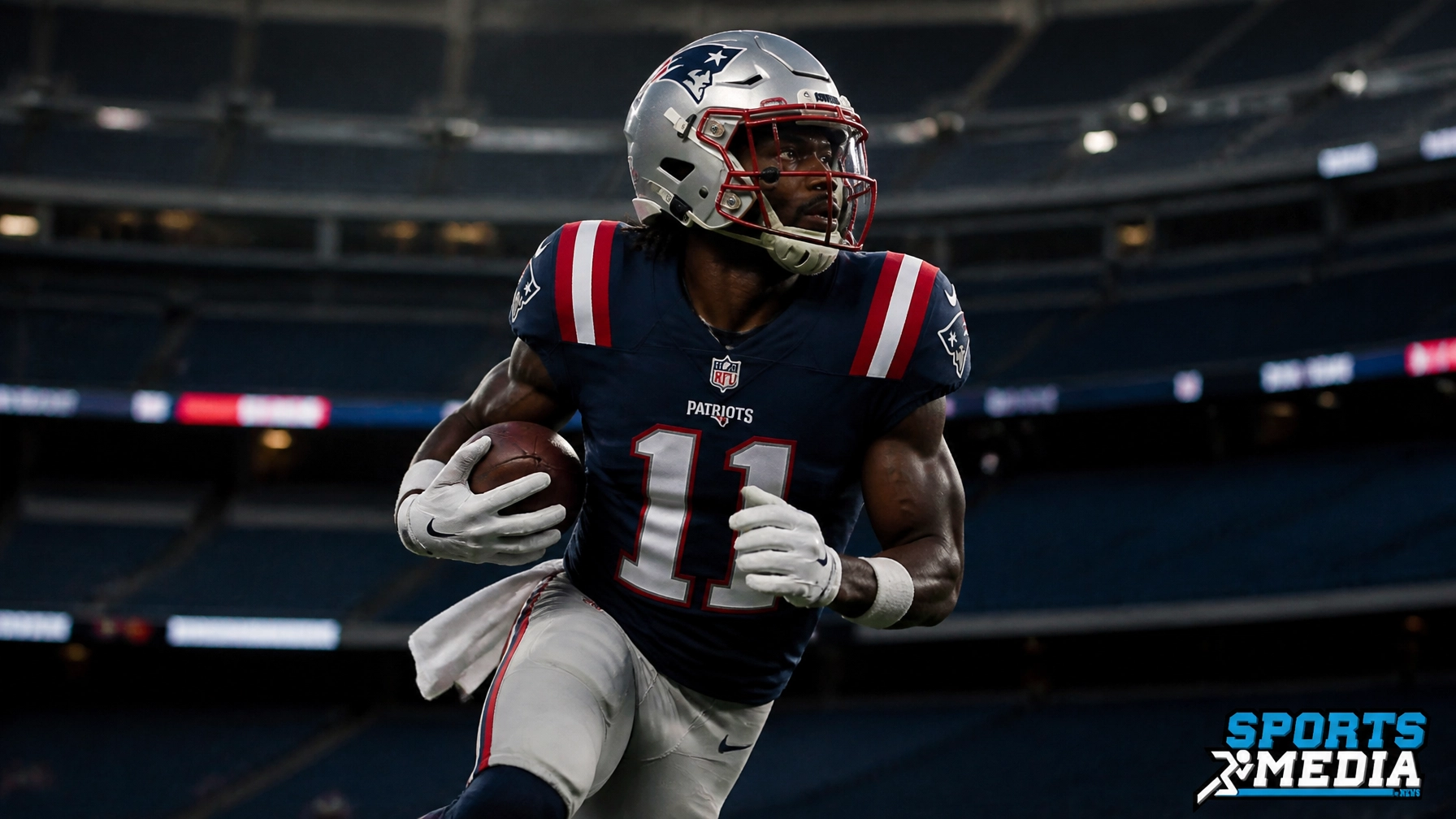
The Philadelphia Eagles have officially sent star wide receiver A.J. Brown to the New England Patriots in a blockbuster trade, reshaping both teams’ offensive identities and finally ending months of speculation about Brown’s future in Philadelphia. The deal, which had been the subject of league-wide rumors since early spring, marks a significant shift in the NFL landscape as the 2026 season approaches.
The trade details
The agreement was finalized and announced on Monday, June 1, pending a physical. The exchange involves high-value draft capital and a cornerstone player:
To New England Patriots:
- WR A.J. Brown
To Philadelphia Eagles:
- Patriots’ 2028 first-round pick
- Patriots’ 2027 fifth-round pick (the better of New England’s two fifth-round selections that year)
The Patriots inherit Brown’s existing contract, which runs through the 2029 season and averages approximately $32 million per year. This figure currently ranks among the top wide receiver deals in the NFL. For the Patriots, the acquisition represents a major investment in their offensive core, while the Eagles secure substantial future assets as they pivot their roster construction.
Managing the cap: The June 1 pivot
A primary driver for the timing of this transaction was the NFL’s salary cap regulations. By executing the trade after the June 1 deadline, the Eagles are able to split Brown’s $40 million dead cap charge over the 2026 and 2027 seasons. This maneuver prevents the team from absorbing the entire financial hit in a single year, providing immediate breathing room for other roster moves.

Seeking legitimacy in a new system
From the outside, dealing a 29-year-old, elite No. 1 receiver appears to be a regression for an Eagles franchise that rebuilt its passing game around Brown following his acquisition from Tennessee in 2022. However, internal reporting suggests that several factors pushed the organization toward a trade.
On-field fit and frustrations
Reports from within the Philadelphia organization indicate that Brown’s personal expectations and the team's offensive approach never fully aligned. Analysts at national sports outlets have noted that Brown’s specific skill set at times clashed with Jalen Hurts’ passing tendencies and head coach Nick Sirianni’s offensive structure. These schematic misalignments led to visible in-game frustrations that were frequently magnified by the intense scrutiny of the Philadelphia media market.
Roster planning and a youth movement
The Eagles have been preparing for this transition for months. The team’s recent personnel moves provide a clear roadmap for their post-Brown era:
- Trading up in the 2026 draft to select USC standout and Biletnikoff Award winner Makai Lemon.
- Acquiring wideout Dontayvion Wicks via trade.
- Signing veterans Marquise "Hollywood" Brown and Elijah Moore in free agency.

This comprehensive overhaul of the receiver room suggests that the front office prioritized depth and schematic flexibility over the gravity of a single superstar. "They aren't just replacing one player; they are changing the math of their offense," notes a rival AFC executive.
A franchise-defining move for New England
For the New England Patriots, acquiring Brown is a statement of intent. The star receiver steps in as the undisputed WR1 in a revamped offense, providing young quarterback Drake Maye with a proven elite target.

The move also facilitates a reunion between Brown and Patriots head coach Mike Vrabel. Brown saw his first major NFL success in Tennessee under Vrabel’s leadership, and league insiders suggest this relationship was a key factor in the trade's feasibility. Brown, who has been public about his childhood fandom of the Patriots, is expected to be a central figure in the team's marketing and on-field strategy for years to come.
Grading the trade: Risk versus reward
Early reactions to the trade have focused on the balance between immediate impact and long-term capital. Trade analysts describe it as one of the most significant non-quarterback deals of the decade, even if the outcome felt "inevitable" following months of speculation.
- For New England: Surrendering a future first-round pick and a mid-round selection is viewed as a calculated risk to secure a top-tier veteran in his prime. With Maye on a rookie contract, the Patriots have the financial flexibility to absorb Brown’s $32 million annual salary.
- For Philadelphia: The move is framed as a strategic reset. While they lose a prolific playmaker, they gain significant cap relief and a 2028 first-rounder that bolsters their long-term draft capital.

Lasting impacts and future outlook
For the Eagles, success will now be judged by how well the committee of Lemon, Wicks, and Moore can replicate Brown’s production. The additional cap space may serve as a catalyst for shoring up the defense or extending other key young players.
For the Patriots, the expectation level has shifted. With A.J. Brown locked in through 2029, New England is no longer just a "promising" team; they are a legitimate AFC contender. The development of the Maye-Brown connection will likely dictate the franchise's success over the next three seasons.
As the NFL continues to evolve, the A.J. Brown trade serves as a prime example of how modern franchises navigate the intersection of athlete performance, salary cap management, and long-term roster design.
Mark Ricci is a senior sports business analyst for Sportsmedia News. Covering league dynamics, event analytics, and industry trends, Mark provides in-depth insights into the intersection of athlete performance and sports commerce. You can find more of his work in our articles section.