


By Mark Ricci
Published June 10, 2026
48 Teams, 104 Matches, and a Continental Showcase Across North America
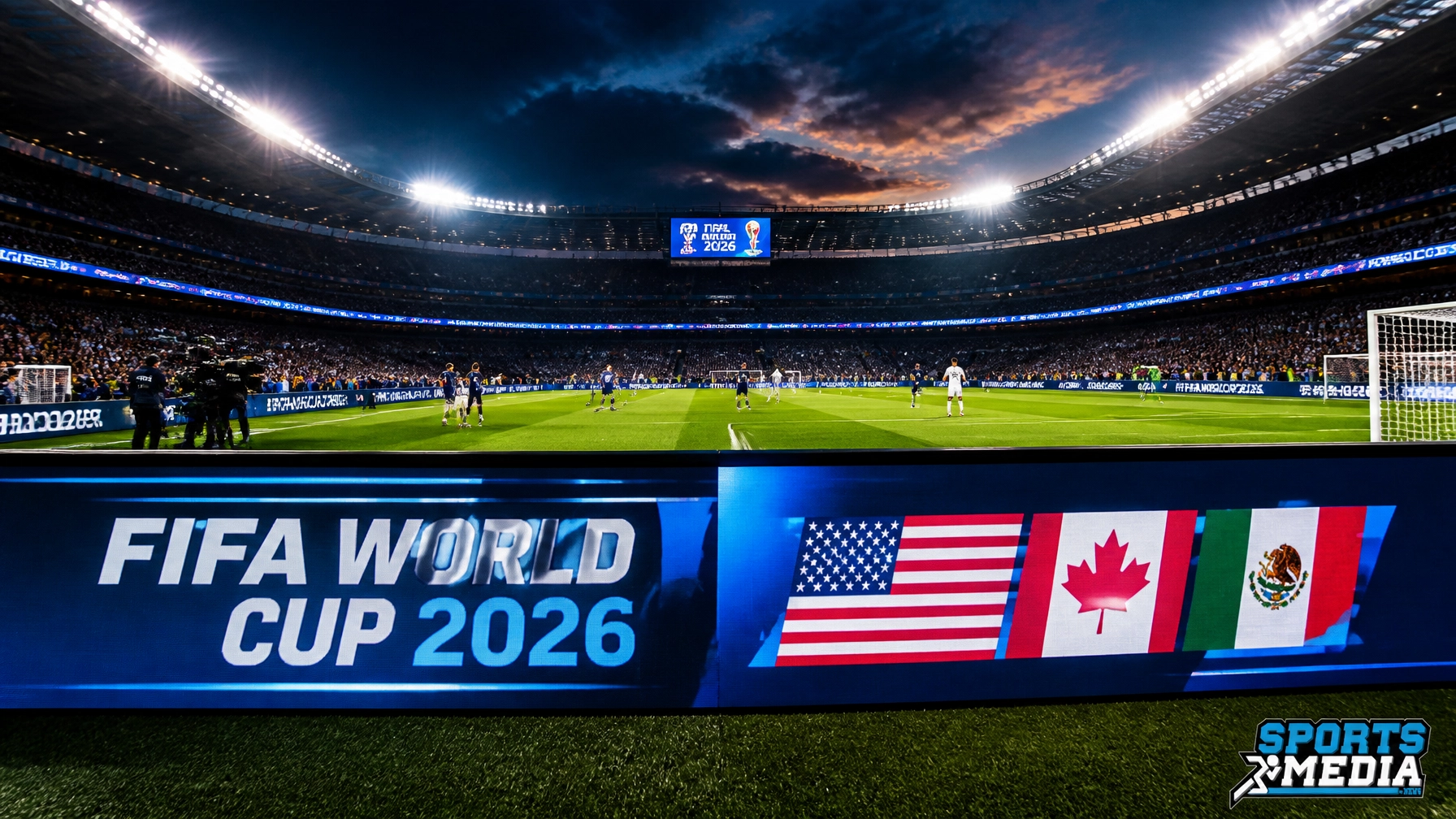
On the eve of the most ambitious sporting event in modern history, the global gaze has shifted squarely to North America. The 2026 World Cup is set to be the biggest in the tournament’s history, with 48 teams, 104 matches, and 16 host cities spread across the United States, Canada, and Mexico. It will be the first men’s World Cup jointly hosted by three countries, and it is scheduled to run from June 11 through July 19, 2026.
This tournament represents more than just a seasonal competition; it is a massive restructuring of the world’s most popular sport. From the opening whistle at the iconic Estadio Azteca in Mexico City tomorrow, June 11, to the grand finale at MetLife Stadium in New Jersey on July 19, the event will test the limits of logistics, athlete endurance, and international cooperation.
A Bigger Tournament: Redefining the Format
The expanded format is one of the tournament’s defining features. Instead of 32 teams, the field now includes 48, split into 12 groups of four. This expansion is the first major change to the tournament’s size since the 1998 edition in France. The top two teams in each group and the eight best third-place teams will advance to a new Round of 32, creating a longer and more complex path to the title.
This innovation in tournament structure matters because it now asks more from squads over a longer stretch. Teams will need deeper benches, smarter rotations, and greater flexibility in how they manage injuries and fatigue over seven matches or more. For the eventual champions, the journey will now consist of eight matches: one more than in any previous World Cup.
"Increasing the size of teams which can participate will increase the investment in football development, to make sure that the teams can qualify," FIFA President Gianni Infantino stated during the lead-up to the expansion. The governing body has consistently argued that more teams mean more inclusion for developing nations, though critics have questioned if the increased volume of games will dilute the quality of the group stages.

North America on Display: The Logistical Challenge
The 2026 tournament will be shared by the United States, Canada, and Mexico, making it a continent-wide event rather than a single-country showcase. FIFA’s host-city list includes 11 venues in the United States, three in Mexico, and two in Canada, stretching from Mexico City and Toronto to Los Angeles, Seattle, and New York/New Jersey.
This spread should create a wide-festival feel while also requiring teams to handle significant travel, climate differences, and diverse stadium environments. To manage this "logistical arms race," FIFA has organized the host cities into three geographic regions: East, Central, and West, to minimize travel during the group stage. This regionalization is a direct response to the concerns raised after the 2022 Qatar World Cup, where the compact geography allowed fans to attend multiple matches in a single day: a feat that will be physically impossible in 2026.
“We are not just hosting a tournament; we are managing a continent,” said one senior organizing official from the United Bid committee. “The infrastructure required: from dedicated shuttle lanes in Los Angeles to high-speed rail connections in the Northeast: is unprecedented.”
Economic Winds and Corporate Stakes
From a business perspective, the 2026 World Cup is a massive revenue engine. FIFA projects that this expansion will generate approximately $11 billion in total revenue, a staggering $4 billion increase over the previous cycle. This growth is driven by a 47% increase in the number of matches, which translates directly into more ticket sales, more broadcast hours, and more lucrative sponsorship activations.
For the host nations, the event is a legacy project. The United States, which has not hosted the tournament since 1994, is using its 11 venues to showcase the commercial viability of its massive NFL-style stadiums. At the same time, Canada is hosting for the first time, and Mexico becomes the first nation to host three separate World Cups (1970, 1986, and 2026).
However, the economic impact is not without its skeptics. Some local municipalities have expressed concern over the rising costs of security and temporary infrastructure. According to reports from Sportsmedia News Articles, some candidate cities actually withdrew from the bidding process early on due to the stringent financial requirements imposed by the governing body.

The Human Cost: Burnout and Workload
While the business side of the World Cup is booming, the player perspective offers a more cautionary tale. The tournament’s duration has increased to 39 days, and the addition of the Round of 32 means that the physical toll on athletes will be higher than ever.
Player unions, including FIFPRO and the Professional Footballers’ Association (PFA), have been vocal about the risks. They argue that players are being asked to compete across successive summers without adequate off-season recovery, significantly increasing the risk of injury, burnout, and mental fatigue.
"The expansion to 104 matches is a breaking point for many top-tier players," a FIFPRO spokesperson noted in a recent briefing. "We are seeing the commercialization of the game outpace the biological limits of the athletes. Smart rotation and deeper squads will no longer be a luxury; they will be a survival necessity."
What to Watch: New Storylines and Breakout Stars
The biggest storylines will likely center on the world’s top teams, breakout players, and the host nations themselves. With 48 teams in the field, the 2026 World Cup provides a platform for "Cinderella runs" from nations that previously struggled to qualify. Smaller footballing nations from Africa and Asia are expected to benefit most from the expanded slot allocation, potentially leading to more upsets in the early rounds.
Furthermore, because the event spans three countries and multiple time zones, recovery, logistics, and local conditions could influence results more than in a standard single-country World Cup. A team playing in the high altitude of Mexico City one week and the humid conditions of Miami the next will face a tactical challenge that goes beyond the pitch.

Why It Matters: A Global Legacy
The 2026 World Cup is important because it is not just bigger; it is structurally different. The expanded field, new knockout round, and tri-national hosting format could shape how future World Cups are organized and remembered. It represents a major innovation in global sports marketing and a legacy project for the three host nations.
As the opening match at Estadio Azteca approaches, the excitement is palpable, but so is the pressure. The success of this tournament will be measured not just by the final score on July 19 at MetLife Stadium, but by how well North America manages the sheer scale of the world's most popular sport.

Mark Ricci is a senior sports business contributor for Sportsmedia News, specializing in the intersection of professional league logistics, stadium infrastructure, and global tournament branding. With experience covering FIFA and major North American sports, Ricci provides in-depth analysis on the economic and cultural impact of the world's largest sporting events.