


By Mark Ricci | July 6, 2026
Stars always have their place in the world, and the skills they demonstrate prove they deserve that position. But where do the lines between pride in their talents and arrogance end? What's the difference, and where does Caitlin Clark fall on this idea?
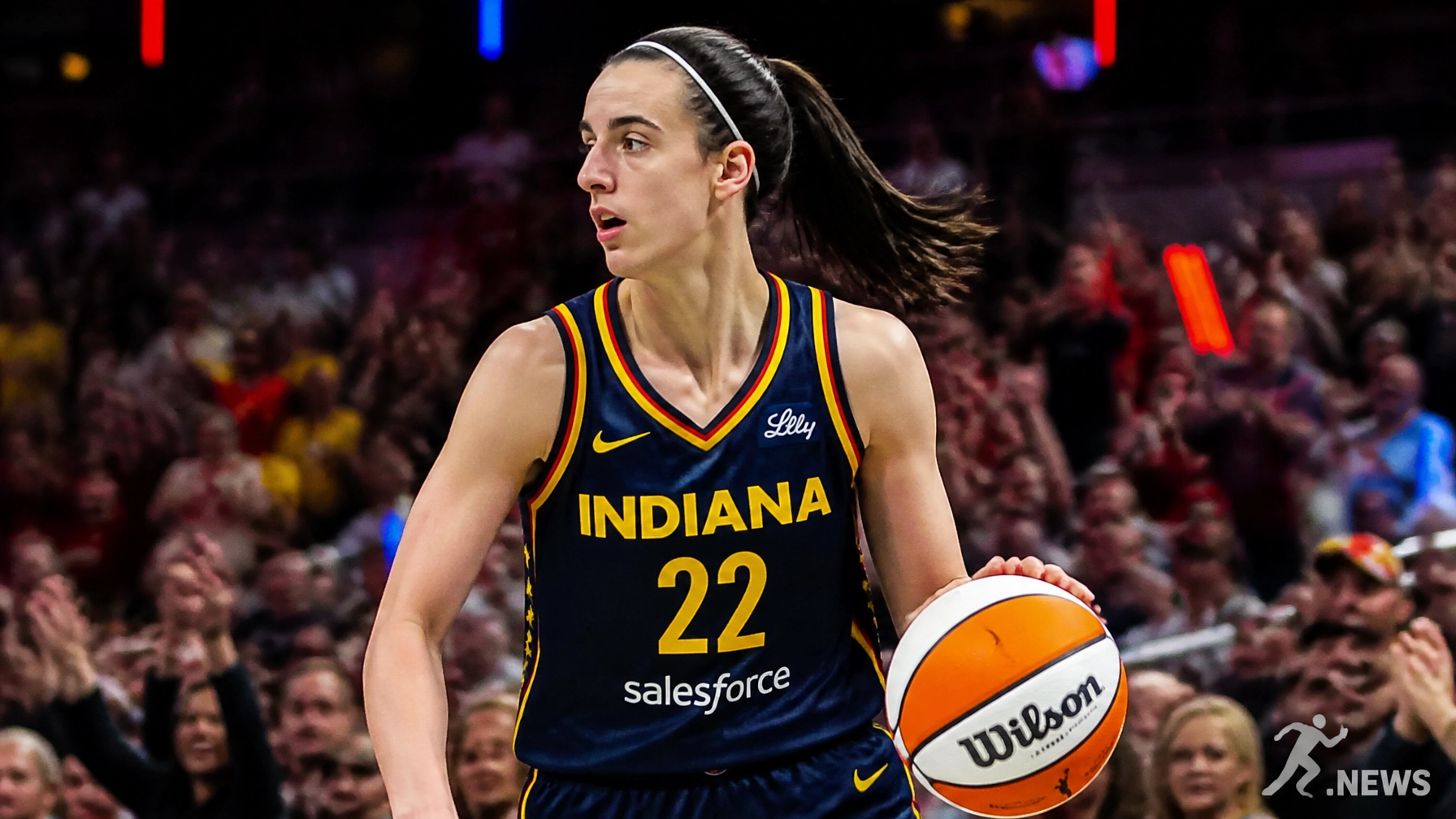
Caitlin Clark’s rise has made her one of the most scrutinized athletes in sports, and that scrutiny often centers on a simple question: is she humble or arrogant? The honest answer is that she sits in the complicated space where elite competitiveness and everyday humility intersect, and different people emphasize different sides of that mix.
Pride vs. arrogance: where’s the line?
At any high level, pride in your talent is not only normal but also necessary. Players who take big shots, talk trash, and demand the ball are often the same ones who carry their teams when it matters most. Arrogance, though, usually implies something more: a belief that you’re above criticism, teammates, opponents, or the work that goes into staying great.
In basketball, the line often shows up in two places:
- On the court: body language, trash talk, and how a player responds to referees, coaches, and teammates.
- Off the court: how they talk about themselves, credit others, and handle attention and criticism.
Clark’s case lives right on that line. She clearly has what one ESPN analyst once called “good arrogance and cold-blooded killer” in her game, the kind of edge that top scorers often need. But you can also find plenty of voices calling her one of the “most humble superstars out there,” praising how she deflects praise and focuses on her team.
The “arrogant” reading
Critics usually focus on Clark’s on-court demeanor. She is visibly fiery: reacting to calls, talking to referees, showing frustration when things go wrong, and sometimes having animated exchanges with teammates or coaches. On social media and in commentary, that has led some fans to brand her “cocky and arrogant,” especially after specific incidents with teammates or opponents.
There are a few common themes in that view:
- She “says what’s on her mind,” and that rubs some people the wrong way.
- Clips of her reacting to officials or walking away from huddles get shared without context and framed as selfish or disrespectful.
- In a league already wrestling with narratives about race and visibility, her level of attention and confidence is sometimes interpreted as entitlement rather than normal star behavior.
From this angle, Clark’s pride in her talent and her visible intensity during games look like arrogance — especially to people who already feel oversaturated with her coverage.
The “humble” reading
Supporters, though, highlight a very different set of facts. Many who have followed her closely emphasize that she regularly credits teammates and coaches, expresses gratitude for fans, and is open about her mistakes and learning curve. Some Iowa and WNBA observers go so far as to call her “a humble woman,” explicitly contrasting her demeanor with more overtly showy rivals.
In recent comments after a stretch of intense scrutiny, Clark herself talked about feeling human, needing time away from the cameras, and wanting grace for players and referees alike. Fans responding to that called her “classy, humble, smart” and pointed out that she tends to keep focus on the team rather than on her own star status. That is not how a truly arrogant player usually talks.
You also see humility in how she handles the workload of being the face of the sport: constant media attention, promotional obligations, and criticism. Writers who praise her “accessibility” note that she signs autographs, does interviews, and shows up in ways that make her feel approachable, even as her fame explodes.
The context around her reputation
It’s impossible to separate the “humble vs. arrogant” debate from the wider context of how Clark is covered. Her WNBA career has been shaped by racial narratives, player hostility, and media reluctance to fully unpack those dynamics. Some players resent that she gets attention they feel has been denied to others; some fans resent that any criticism of her is quickly labeled unfair.
In that environment:
- Small moments get magnified and labeled “arrogant” when they might be normal competitive reactions.
- Her more low-key, grateful comments can be drowned out by clips and hot takes that travel further online.
- People’s views of her personality often track their feelings about the media, the league, and broader cultural issues as much as they track her actual behavior.
So part of why the question feels hard is that it isn’t just about her; it’s about what she represents to different groups.
Where does Caitlin Clark actually land?
Putting all of that together, Clark lands in a space that’s familiar for great athletes:
- On the court, she has a real edge: she is confident in her talent, willing to talk, and visibly emotional. That can come across as arrogant, especially in edited clips or tense moments.
- Off the court, she mostly presents as grounded: she talks about learning, gives credit, and shows appreciation for the opportunities she’s been given. That’s more consistent with humility than with ego.
In other words, she has competitive arrogance and personal humility coexisting — a combination many elite players share. Her pride shows when the ball is in her hands, and the game is on the line; her humility shows when the microphones come out, and she’s asked to explain what all this attention means.
Whether someone labels her “humble” or “arrogant” usually depends less on a single trait and more on which side of that mix they choose to focus on.
Mark Ricci is a sports business analyst covering the WNBA, professional athlete performance, and the intersection of sports and culture for Sportsmedia News.