


By: Trinity Martin-Sadler, Intern Journalist
Publication Date: July 6th, 2026
Conserving beavers and elk can enhance watersheds and wildlife habitats, supporting ecological health across the United States.
Restoring Ecosystems Through Multi-Species Conservation
Restoring wildlife is one of the most effective ways to enhance ecosystem health in the United States. In the past, conservation efforts primarily focused on protecting individual species. However, scientists and land managers now recognize the advantages of restoring multiple species that work together to improve landscapes.
A multi-species approach, which includes beavers, elk, and other native wildlife, can help restore healthy watersheds, revive grasslands, increase biodiversity, and enhance ecosystems' resilience to droughts and wildfires. Federal agencies such as the U.S. Forest Service (USFS) and the Bureau of Land Management (BLM), along with state wildlife agencies, are collaborating to restore damaged ecosystems using nature-based solutions.
Why Beavers and Elk Matter
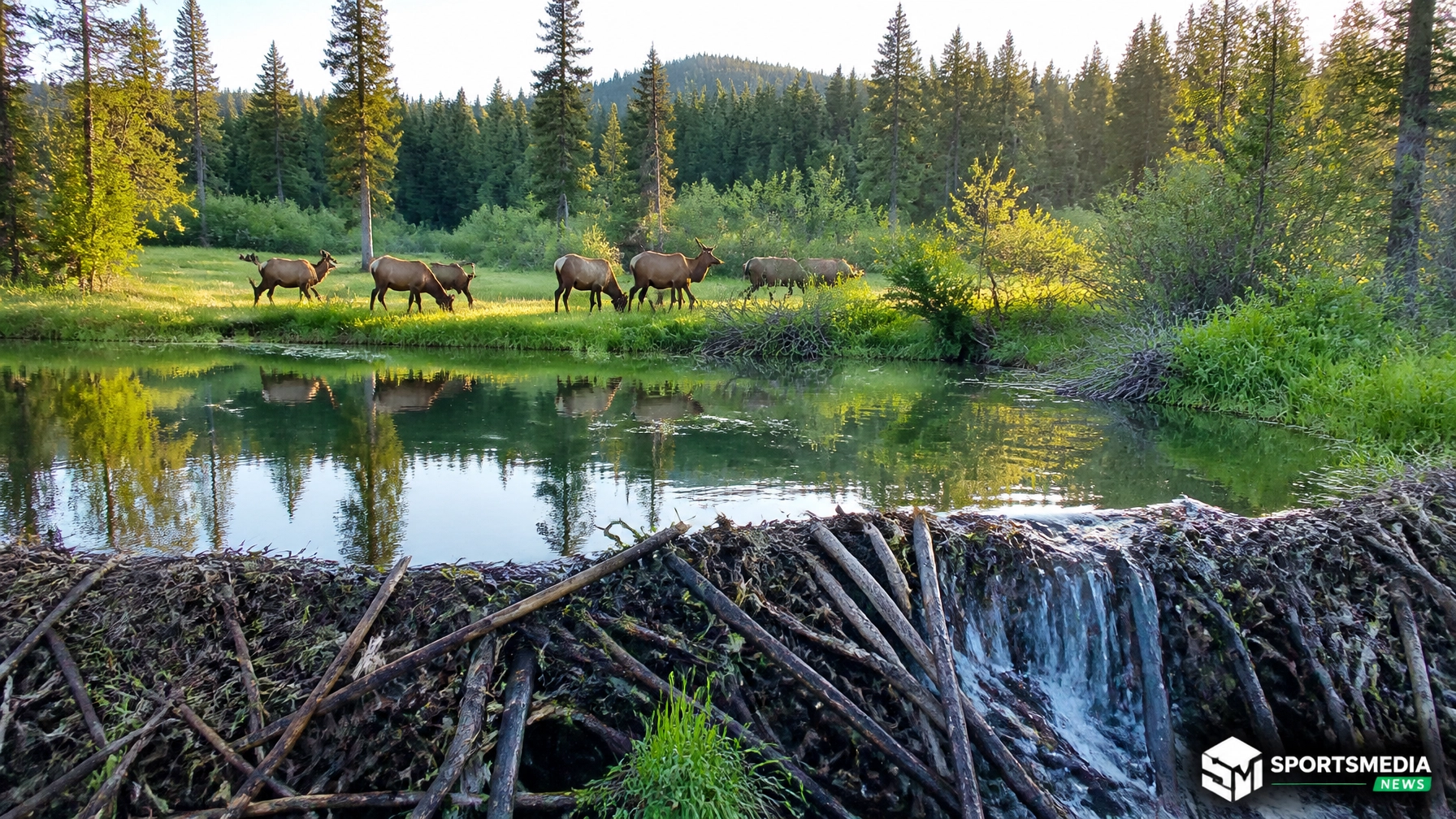
Beavers are often referred to as "ecosystem engineers" because they have a significant impact on their environments. By building dams, they slow water flow, trap sediments, raise groundwater levels, and create wetlands that support fish, birds, amphibians, and other wildlife. Techniques like Beaver Dam Analogues (BDAs) and Low-Tech Process-Based Restoration (LTPBR) are being implemented in several states to restore stream systems.
Elk also plays a crucial role in the ecosystem. Healthy elk populations help balance forest edge ecosystems and support biodiversity through their grazing and migration patterns. Protecting their migration routes and winter habitats is essential for maintaining healthy landscapes and achieving conservation goals set by state wildlife agencies.
Priority Areas for Restoration
The proposal identifies several areas where conservation efforts can yield significant ecological benefits. In Northeast Oregon’s Blue Mountains and John Day Basin, restoration projects aim to repair damaged stream systems through beaver restoration and improve habitats for vital elk herds.
In Colorado’s northwest and southwest wildlife corridors, the focus is on protecting elk migration routes and winter ranges, as development and drought increasingly threaten key habitats.
In Central and Southern Utah, watershed restoration projects utilize beaver translocation and Beaver Dam Analogues to restore streams that have been harmed by wildfires and heavy grazing.
Finally, the Lolo and Bitterroot National Forests in western Montana present an opportunity to combine riparian restoration with elk habitat management, enhancing forage quality while also improving climate and wildfire resilience.
Looking Toward the Future
The proposal also suggests expanding traditional conservation models to incorporate a comprehensive ecological restoration approach. Instead of concentrating solely on one species, it recommends integrating wildlife restoration with watershed management and habitat monitoring. Using digital tools to track ecological outcomes can help organizations demonstrate real improvements while fostering partnerships with government agencies, conservation groups, and private landowners.
As climate challenges continue to affect natural landscapes, multi-species restoration offers a way to create healthier ecosystems through proven, nature-based methods. By combining habitat restoration with long-term conservation planning, these efforts can benefit wildlife, improve water resources, and strengthen ecosystem resilience for future generations.
For more in-depth analysis and the latest breaking news on Zoo Media & Sports, visit our Articles section or learn more about our team at Sportsmedia News About Us.
Sources Verified
https://www.blm.gov/about
https://cpw.state.co.us/what-we-do
https://www.fs.usda.gov/about-agency
Media Contact
Trinity Martin-Sadler
Intern
martinsadlert2@mailbox.winthrop.edu
#EsportsInEducation
#FutureOfGaming
#ScholasticEsports
#GamingMeetsOpportunity
#FANZInnovation
#StudentSuccess