


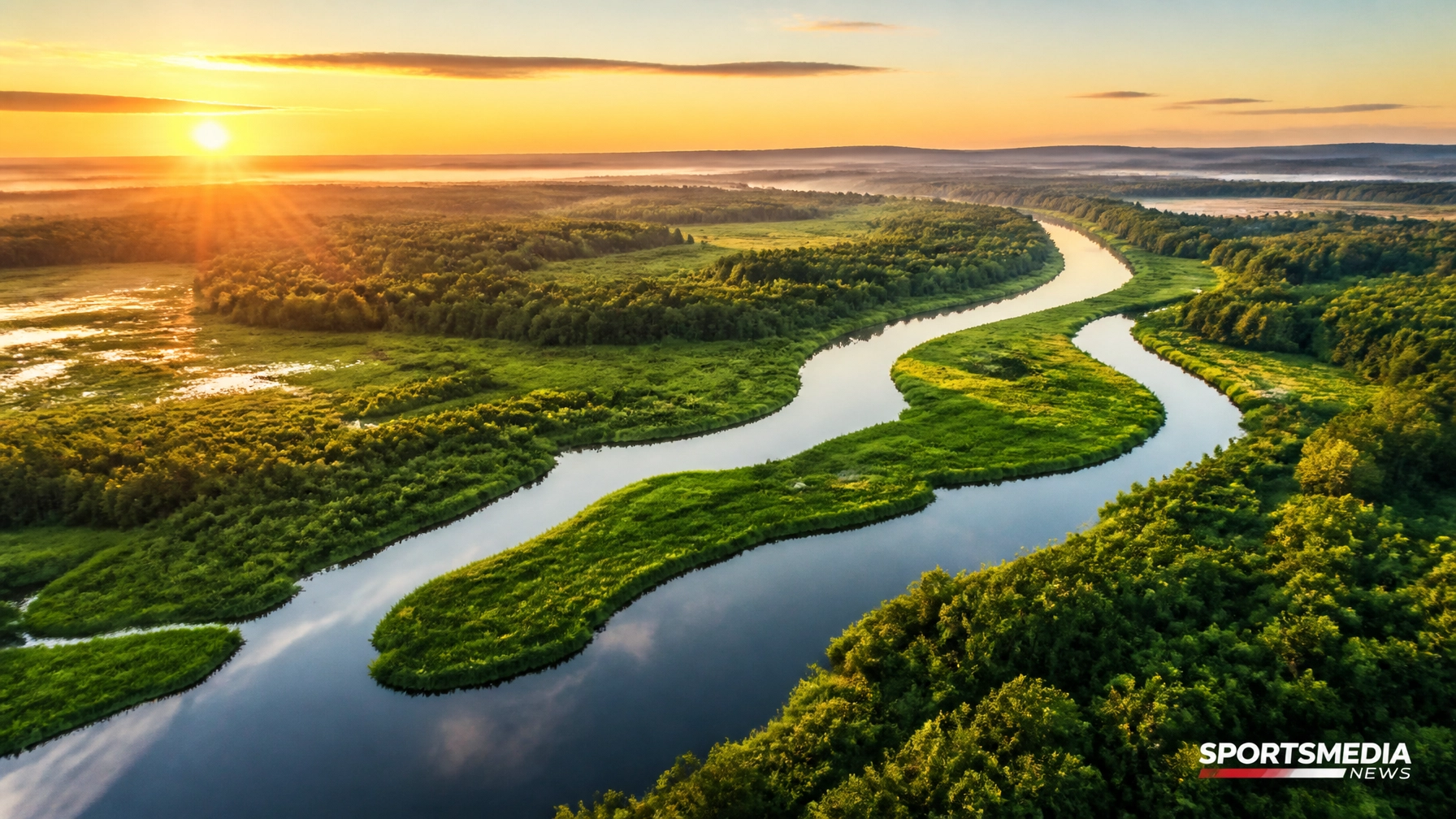
Protected lands serve as safe havens for wildlife, ecosystems, and communities: preserving biodiversity while offering space for people to connect with the natural world.
By Mark Ricci
July 8th, 2026
Wildlife preserves are protected areas of land or water set aside to conserve plants, animals, and the natural systems they depend on. They act as safe havens where habitats can function with minimal human interference, helping biodiversity thrive while still allowing people to visit, learn, and connect with nature.
What wildlife preserves are
A wildlife preserve (often called a nature reserve, refuge, or sanctuary) is a designated space where the main goal is to protect native species and natural resources. These areas may include forests, wetlands, grasslands, rivers, lakes, coastal zones, or even marine environments. They are managed to:
- Maintain or restore healthy habitats for wildlife.
- Limit damaging activities such as development, intensive resource extraction, and uncontrolled hunting and fishing.
- Provide opportunities for scientific research, education, and low‑impact recreation such as hiking and birdwatching.
Some preserves are public (managed by government agencies), while others are owned and operated by nonprofit land trusts or conservation organizations that set strict rules to safeguard land and wildlife.

How wildlife preserves are managed
Management approaches vary, but most preserve a balance between conservation and carefully controlled access:
- Habitat management: Staff may restore wetlands, plant native trees, remove invasive species, or use tools like controlled burns to keep ecosystems healthy.
- Regulated use: In many public refuges, activities such as hunting, fishing, and trapping are allowed but tightly regulated to ensure that wildlife populations remain stable. Other preserves, especially private sanctuaries, may prohibit these activities entirely and focus on "passive" uses such as walking, birdwatching, and photography.
- Zoning and rules: Trails, viewing areas, and parking lots are placed to minimize disturbance. Off‑road vehicles, dumping, and habitat destruction are typically banned. Some areas are kept roadless or restricted to researchers to protect sensitive species.
In the United States, for example, the National Wildlife Refuge System manages more than 570 refuges, each with a specific conservation purpose, while nonprofits like Wildlife Preserves in New Jersey protect thousands of acres as sanctuaries for common and endangered species.
Why wildlife preserves matter
Wildlife preserves play several crucial roles for nature and people:
- Protecting biodiversity: They provide safe habitats for many species, including threatened and endangered plants and animals, helping maintain genetic diversity and ecosystem stability.
- Safeguarding ecosystems: Preserves protect entire ecological communities: forests, wetlands, rivers, coastal marshes: allowing natural processes like pollination, nutrient cycling, and migration to continue.
- Supporting research and education: Because they are relatively undisturbed, preserves serve as "living laboratories" where scientists study wildlife and ecology, and where schools and visitors learn about environmental stewardship.
Benefits for communities and the environment
Wildlife preserves provide benefits that extend well beyond their boundaries:
- Climate and air quality: Vegetation in preserves absorbs carbon dioxide and produces oxygen, helping mitigate climate change and improve local air quality.
- Water protection and flood control: Wetlands and natural watersheds within preserves filter pollutants, store floodwaters, and stabilize stream banks, reducing erosion and improving drinking‑water sources for nearby communities.
- Disaster resilience: Managed refuges and preserves can lessen the impact of natural disasters like floods and wildfires, for example by using controlled burns to reduce fuel buildup in forests.

They also support local economies. In the U.S. National Wildlife Refuge System, visitor spending on recreation (hiking, wildlife viewing, regulated hunting and fishing) generates several times more economic activity than the public funds used to run the system, supporting jobs and tourism businesses.
Human experience: recreation and well‑being
Beyond ecological and economic benefits, wildlife preserves offer important human experiences:
- Nature recreation: Visitors can hike, bike, watch birds, take photographs, or simply enjoy quiet landscapes, often close to urban areas. Many preserves are intentionally kept open for "passive recreation" that does not harm wildlife or habitats.
- Health and well‑being: Research increasingly shows that time spent in natural settings can improve mental and physical health: reducing stress, encouraging exercise, and providing a sense of peace. Wildlife refuges and preserves are key places where people can access these benefits.

Types of wildlife preserves
While names and rules differ by region, common types include:
- Nature preserves or nature reserves: Areas that conserve a mix of plants, animals, fungi, and natural features, often with minimal development and strict protections.
- Wildlife refuges: Public lands and waters focused on conserving and restoring wildlife and habitats, often allowing regulated recreational use.
- Private preserves and land‑trust sanctuaries: Properties owned by nonprofits or individuals, typically with strong restrictions to maintain natural conditions and protect sensitive species.
Despite these differences, they share a common goal: preserving the beauty and function of nature for both environmental health and human enjoyment.
The bigger picture
In a world facing habitat loss, climate change, and species decline, wildlife preserves are vital. They protect biodiversity, strengthen ecosystems, buffer communities from environmental stress, and give people places to learn about and care for the natural world.
Whether they are large national refuges or small local sanctuaries, these protected areas help ensure that wild animals, plants, and landscapes continue to thrive, and that future generations have the chance to experience them firsthand.
Mark Ricci is a senior contributor for Sportsmedia News, specializing in conservation, wildlife policy, and the intersection of nature and community well-being.