


By Michael Behlin
Sports Media Inc.
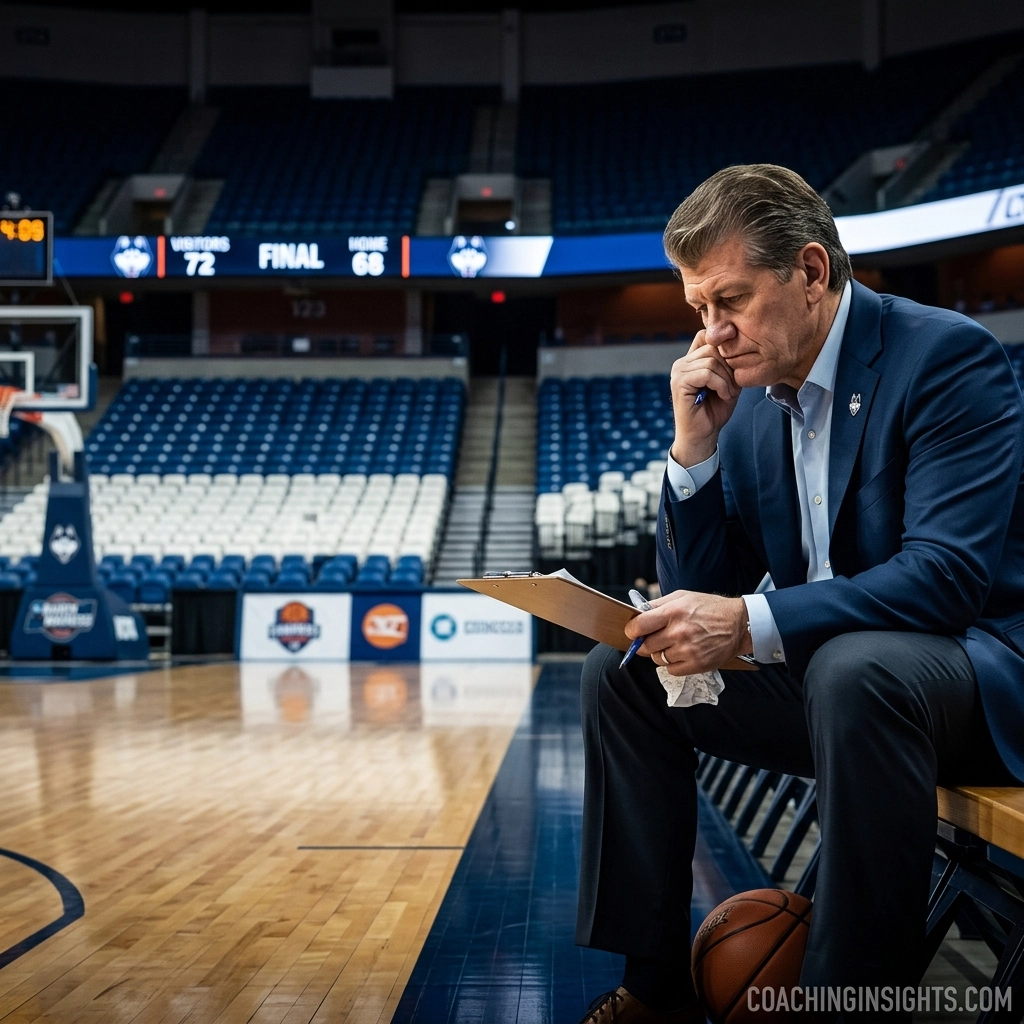
Geno Auriemma has built a legendary career on the pillars of excellence, discipline, and an unrelenting standard of accountability: at least for everyone else. Throughout his decades-long tenure at the University of Connecticut, he has become the architect of arguably the most dominant dynasty in collegiate sports history. However, in the aftermath of UConn’s high-stakes Final Four loss to Dawn Staley and the South Carolina Gamecocks, that standard seemed to vanish when it mattered most.
Great coaches are defined not just by how they win, but by how they lose. In this instance, Auriemma didn’t just lose a basketball game; he lost an opportunity to demonstrate the very leadership he consistently demands from his roster. Instead of owning the moment with the clarity and humility expected of a Hall of Fame figure, Auriemma’s postgame tone and actions came off as deflective, casting a shadow over what should have been a celebration of the sport's growth.
A Moment of Disconnect
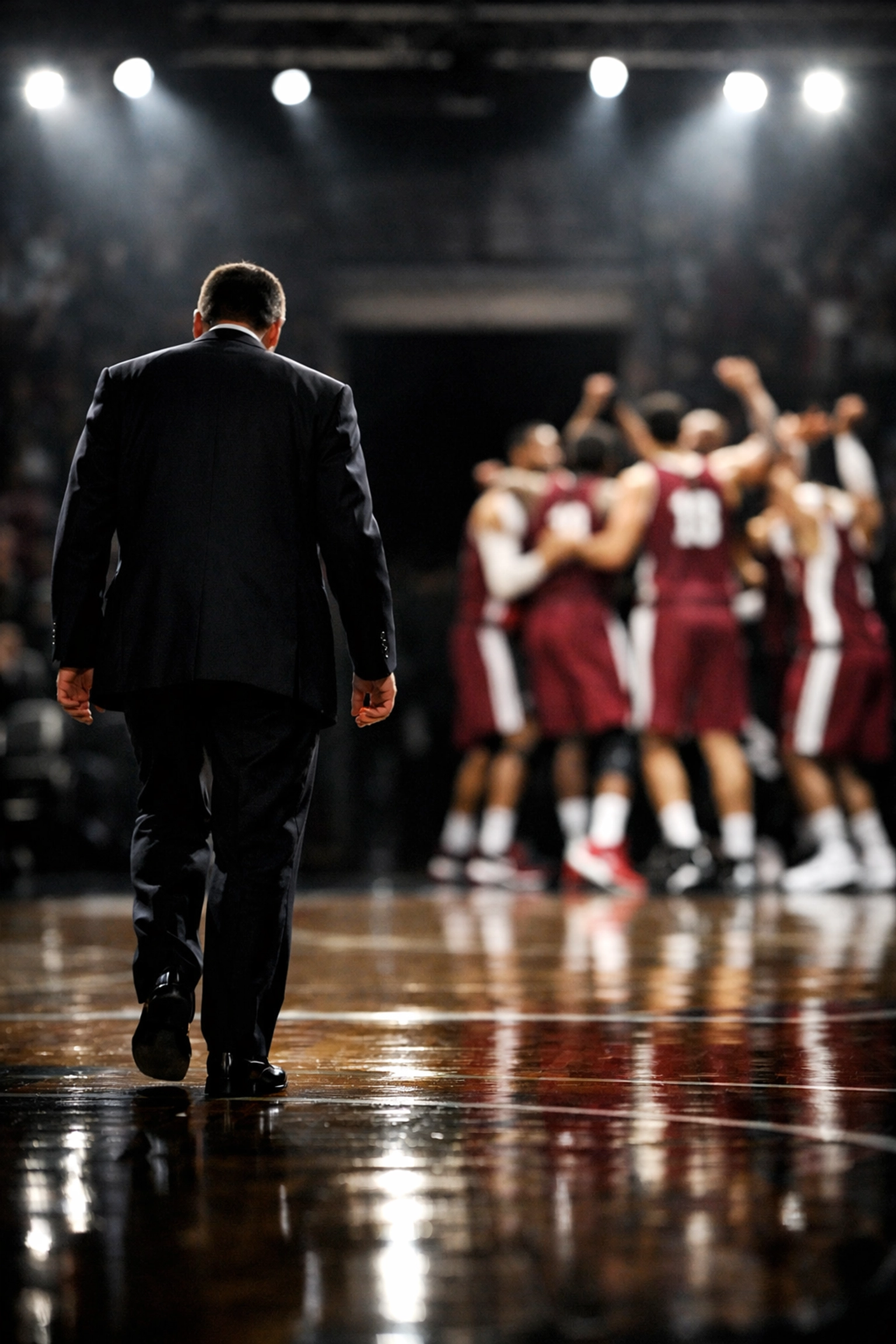
The tension culminated in the final moments of UConn’s 62-48 loss, a scoreline that reflected a defensive masterclass by South Carolina. As the clock wound down, the behavior of the legendary coach became the focal point. Witnesses and broadcast footage captured Auriemma approaching South Carolina coach Dawn Staley for a postgame handshake, only to transition into an angry confrontation.
The situation escalated to the point where Auriemma’s own assistants were forced to hold him back as he voiced his frustrations. Rather than participating in the traditional postgame handshake line: a staple of sportsmanship in the NCAA Women's Final Four: Auriemma walked off toward the tunnel. This departure from protocol was particularly striking given that Auriemma had spent the entire season publicly preparing his team for adversity.
"Every day for five months they have to put up with me, so I try to be for them all the things that can happen at this time of the year that you need to be prepared for," Auriemma had stated earlier in the season. Yet, when faced with the first significant hardship of the year, the coach seemed to struggle with the very resilience he preached.
Shifting the Narrative
The postgame press conference offered Auriemma a chance to recalibrate. Instead, it revealed a pattern of self-justification. He spent a significant portion of his time complaining about a perceived missed pregame handshake with Staley and making unsubstantiated claims regarding the conduct of South Carolina players.
One specific point of contention involved UConn player Sarah Strong. Auriemma hinted at physical play from the Gamecocks, suggesting it crossed a line. However, Strong herself later clarified the situation, admitting she had accidentally ripped her own jersey during the intensity of the game, contradicting the narrative of excessive opponent aggression.
Furthermore, Auriemma levied allegations of a "double standard," suggesting that Staley received more favorable treatment from officials. These comments, combined with his refusal to apologize for sharp on-air remarks made to ESPN’s Holly Rowe during the broadcast, painted a picture of a leader unwilling to accept the reality of the scoreboard. In the world of Sports Media & News, such deflections are often viewed as a "calculated attempt to shift the narrative" away from tactical shortcomings.
The Staley Factor and the New Guard
Even more glaring was the absence of a direct, sincere acknowledgment of Dawn Staley’s achievement. This wasn’t just about sportsmanship clichés: it was about respect for the evolving landscape of the game. Dawn Staley has built a powerhouse program at South Carolina that now stands toe-to-toe with UConn’s legacy.
The Gamecocks didn’t just win the game; they earned it through a defensive strategy that stifled UConn’s rhythm. Auriemma had every opportunity to acknowledge that Staley’s program has become the new gold standard with sincerity and grace. Instead, what should have been a moment of mutual respect between two titans of the sport felt incomplete and fractured.
"When you are the face of one of the most dominant programs in college basketball history, your words carry weight far beyond a locker room," notes one industry analyst. "To ignore the tactical brilliance of an opponent in favor of officiating complaints diminishes the integrity of the competition."
Accountability as a Core Tenet
This lapse in composure matters because Auriemma has never been shy about holding others accountable. He has spent years calling out players for "soft" play, criticizing officials for missed calls, and even lamenting broader trends in the game when he believes standards are slipping. That outspokenness is part of what has made him an influential figure, but it also demands personal consistency.
Accountability is not situational. You do not get to demand it in the glow of victory and sidestep it in the darkness of defeat. By failing to take full, visible responsibility for the loss, Auriemma sent a mixed message to his young team and the millions of fans watching the broadcast. Leadership isn’t tested in calm moments; it’s revealed in the heat of disappointment. In that moment, Auriemma fell short of the standard he helped create for the sport.

A Pattern of Public Critique
Auriemma’s history of public critique is well-documented. He has often used his platform to advocate for the "right way" to play the game, often citing the discipline of past UConn greats. This makes his "emotional outburst" even more of a statistical outlier.
In a subsequent statement, Auriemma did attempt to walk back some of his behavior. "There's no excuse for how I handled the end of the game vs. South Carolina. It's unlike what I do and what our standard is here at Connecticut," he admitted. While the apology was a necessary step, critics argue it came only after the media cycle had already centered on his conduct rather than his team’s performance.
The issue of the "double standard" he mentioned remains a point of contention among analysts. By suggesting Staley received preferential treatment, Auriemma waded into complex territory involving race and gender dynamics in coaching, a move that many viewed as an unnecessary distraction from the actual basketball played on the court.
Impact on the UConn Brand
As UConn navigates this post-Final Four period, the focus shifts to how the program maintains its "standard" in an increasingly competitive NIL and transfer portal era. For more information on our editorial stance, you can visit our Company Policy.
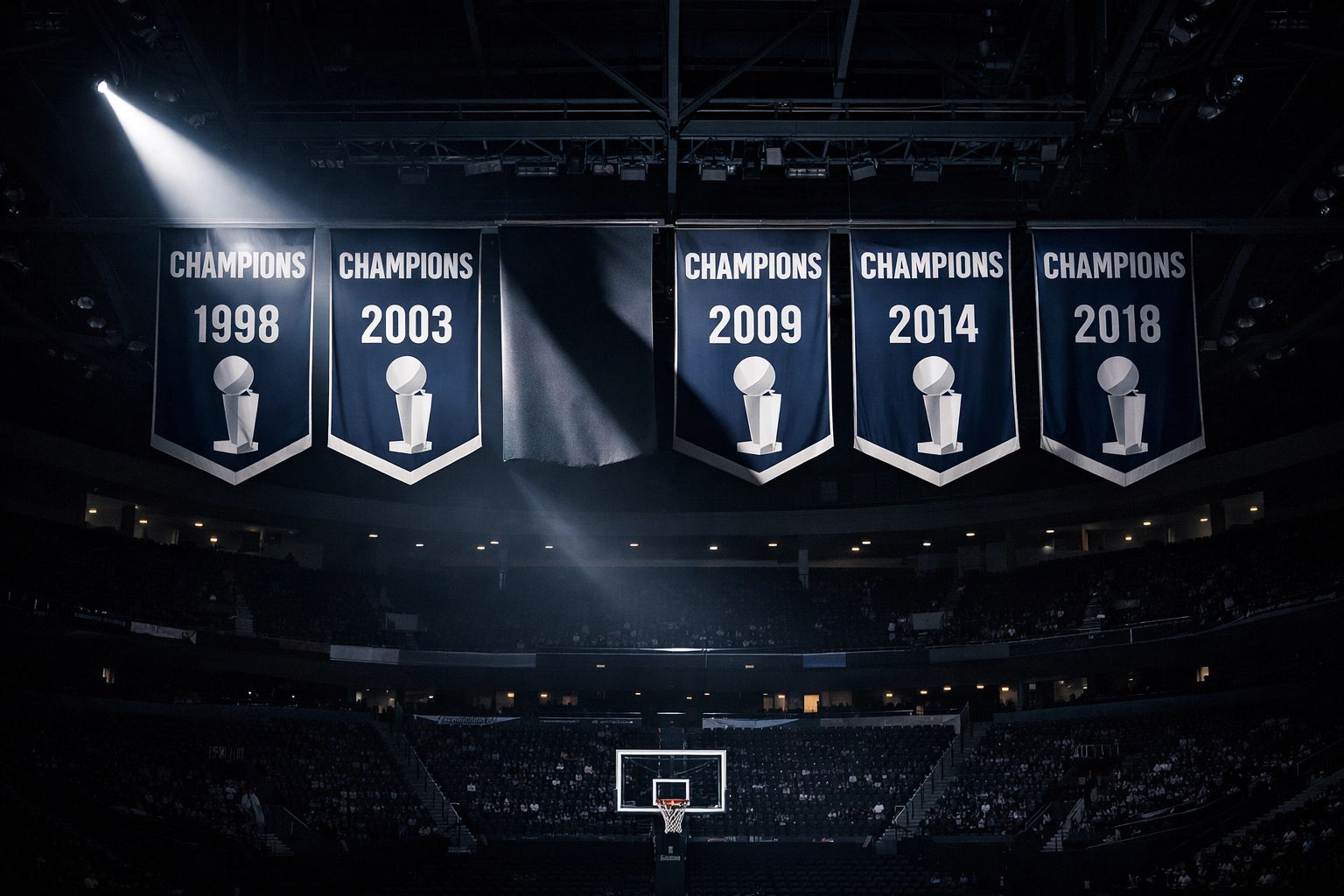
The legacy of Geno Auriemma remains intact: he is undeniably one of the greatest coaches to ever grace a sideline. Eleven national championships and a record-shattering winning percentage are facts that cannot be erased. However, legacies are not just built on banners and trophies; they are shaped by character in difficult moments.
This loss was one of those defining moments. It called for accountability, humility, and a straightforward acknowledgment of an opponent who was simply better on that day. Auriemma’s initial failure to deliver that speaks louder than any postgame quote. It serves as a reminder that even the most legendary figures are susceptible to the pressures of the "arms race" that defines modern college athletics.
Looking Ahead
As the 2026 season approaches, the question remains whether this incident marks a turning point in Auriemma’s coaching style or if it was merely a temporary lapse in judgment. The UConn program continues to be a destination for elite talent, but the gap between the Huskies and the rest of the country has narrowed.
To stay informed on future developments and tournament coverage, readers can explore our Articles section. The standard of excellence that Auriemma established will continue to be the benchmark for the sport, but the coach himself must now reconcile his recent actions with the values he has spent a lifetime promoting.
In the end, the growth of women's basketball is the real winner. The fact that a UConn loss is treated with such gravity is a testament to the mountain Auriemma built. Now, he must decide if he will climb back to the peak of that mountain with the same grace and accountability he expects from those who follow him.
For more information about our team, visit the About Us page or Contact Us for inquiries.