


*** Article By Mark Ricci | SportsMedia.Net Analyst | 8-10 Min Read
May 29th, 2026
Subheadline: A comprehensive look at the Eastern domination, the Western thriller, and the roster construction defining the 2026 postseason.
The 2026 NBA playoffs have delivered a mix of domination in the East and a heavyweight thriller in the West, with the New York Knicks already back in the Finals and the defending champion Oklahoma City Thunder locked in a battle with the San Antonio Spurs. As the league enters the final stretch of the postseason, the shift in power dynamics across both conferences has become the primary focus for front offices and analysts alike.
Eastern Conference: Knicks steamroll to the Finals
The No. 3 seed New York Knicks swept the No. 4 seed Cleveland Cavaliers 4–0 in the Eastern Conference finals to reach the NBA Finals for the first time since 1999. They closed the series with a 130–93 blowout in Game 4, which also marked their 11th straight playoff win after having already swept the Philadelphia 76ers in the conference semifinals. This historic run represents a massive ROI for a franchise that has spent the last three seasons aggressively retooling its roster.

Guard Jalen Brunson was unanimously named Eastern Conference Finals MVP, leading the Knicks’ charge against Cleveland. He averaged 25.5 points and 7.8 assists per game in the series, shooting 48.7 percent from the field while orchestrating an offense that overwhelmed the Cavaliers on both the perimeter and in pick‑and‑roll actions.
"What we are seeing is the culmination of culture-building and tactical patience," says Dr. Aris Hall, Professor of Sports Management at NYU. "The Knicks aren't just winning; they are deconstructing high-level defenses with a efficiency that suggests their current market value is at an all-time high."
With the sweep, New York not only punched its ticket to the Finals but also earned a lengthy rest period. The Knicks will have more than a week off before Game 1 of the Finals on June 3, giving them time to recover and game‑plan for whoever emerges from the Western Conference showdown. They are now four wins away from their first championship since 1973.
Western Conference: Thunder vs. Spurs classic
Out West, the defending champion Oklahoma City Thunder and the San Antonio Spurs: the conference’s top two seeds: are locked in an intense Western Conference finals. The matchup features stars Shai Gilgeous‑Alexander for Oklahoma City and Victor Wembanyama for San Antonio and has been described as an epic series with major momentum swings.

As of May 28, the Thunder hold a 3–2 series lead after a commanding Game 5 win in Oklahoma City, where their supporting cast stepped up to push them to the brink of another Finals appearance. Game 6 in San Antonio is being framed as the key turning point: either the Thunder close out the series and return to defend their title against the Knicks, or the Spurs force a Game 7 in OKC.
The series has showcased contrasting strengths. Oklahoma City’s depth, spacing, and late‑game shotmaking have been critical when the offense bogs down, while San Antonio has leaned on Wembanyama’s rim protection, length, and inside‑out scoring to keep pace. Every game has carried major stakes, and neutral observers have circled this matchup as the real test of whether the young Thunder core can build a mini‑dynasty or whether Wembanyama’s rise will short‑circuit that quest.
How the conference finals were built
Both conference finals reflect how these four teams constructed their rosters over several seasons. In the East, the Knicks’ surge comes from a blend of smart trades, internal development, and the steady ascent of Brunson into an All‑NBA‑caliber lead guard. They have built an identity around physical defense, depth on the wings, and a half‑court offense that leverages Brunson’s pick‑and‑roll craft and shot creation.

"The Knicks’ strategy was to take the big swing and refine the fit in real-time," notes Lana Sterling, a senior NBA Salary Cap Analyst. "By contrast, Cleveland arrived in the conference finals by grinding through a seven‑game upset of the top‑seeded Detroit Pistons, flexing their own young core around Donovan Mitchell and a resilient frontcourt. However, the financial efficiency of the Knicks' veteran contracts has given them a depth advantage that Cleveland simply couldn't match."
In the West, Oklahoma City’s appearance continues a carefully built project centered on draft capital and player development. The Thunder swept their first two series: against the Phoenix Suns and Los Angeles Lakers: to become the first defending champions since the 2017 Cavaliers to open the playoffs with consecutive sweeps. San Antonio’s rise, fueled by Wembanyama and well‑timed roster moves, has given the conference a second young powerhouse with size, playmaking, and a modern five‑out twist built around a generational big.
On-court trends defining the 2026 conference finals
Tactically, several themes have defined this round, offering a blueprint for future championship contenders:
- Knicks’ defensive versatility: New York has switched and shown help aggressively on star creators, using length on the wings and strong point‑of‑attack defense to bother both Philadelphia and Cleveland. Against the Cavs, they were able to shrink the floor and force difficult jumpers, turning games into runaway wins.
- Brunson’s control of tempo: Brunson has dictated pace, slowing things down in crunch time and hunting favorable matchups in isolation or pick‑and‑roll. This mastery of the "multimedia" speed of the game: balancing broadcast requirements with on-court intensity: has been the driver of New York’s 11‑game win streak.
- Thunder’s depth vs. Spurs’ star power: Oklahoma City has leaned on a deep rotation, with multiple ball‑handlers and shooters around Gilgeous‑Alexander. San Antonio, by contrast, has depended heavily on Wembanyama’s two‑way brilliance, using him as a rim protector and hub in the half‑court.
- Margin of error: Through five games, the Thunder held only a slim aggregate scoring edge over the Spurs, underlining just how thin the margins have been in the West. That razor‑thin differential has made every adjustment feel magnified.
What’s next: Finals picture
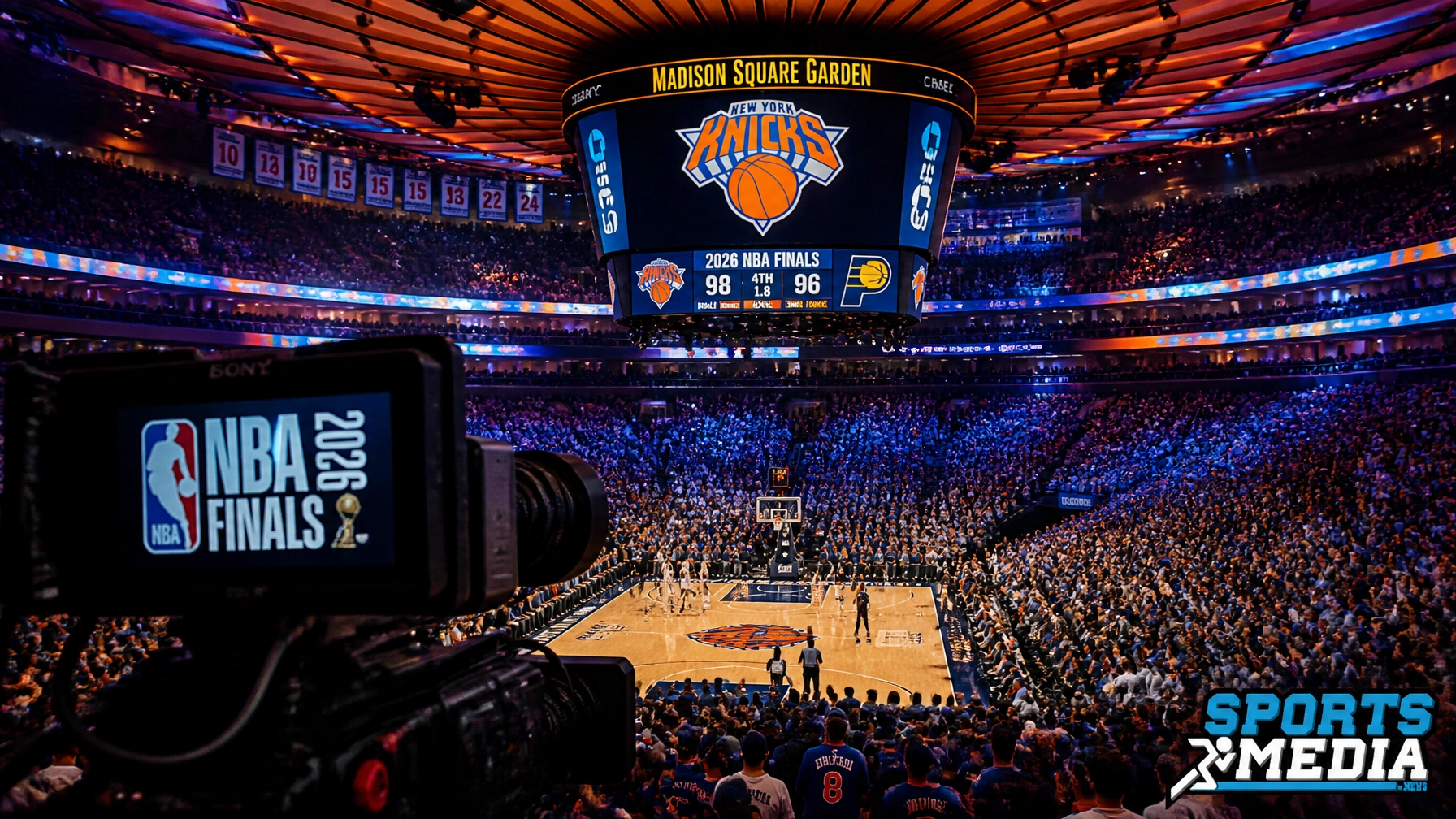
With the Knicks already crowned Eastern Conference champions, the 2026 NBA Finals schedule is set to begin June 3, hosted by the Western Conference winner. New York will open the series on the road, then return to Madison Square Garden for Games 3 and 4: and a potential Game 6: giving Knicks fans their first Finals basketball in 27 years.
On paper, each possible matchup offers a different storyline. A Knicks vs. Thunder series would pit the defending champs and their MVP‑caliber guard against a surging Knicks team riding an 11‑game playoff winning streak. Conversely, a Knicks vs. Spurs matchup would echo history, recalling New York’s 1999 Finals loss to San Antonio while showcasing the league’s new supernova in Wembanyama against Brunson’s veteran leadership.
"We are entering an era where the brand of the player and the brand of the franchise are merging through NIL-style professional legacies," says Marcus Thorne, a global brand strategist. "Whoever wins this year isn't just winning a trophy; they are claiming the narrative for the next decade of the NBA."
The conference finals have already reshaped the league’s balance of power, confirming that the road to the championship now runs through the disciplined rebuilds of Oklahoma City, San Antonio, and the resurgence of New York.