


By Nicolas Dorigatti
June 5, 2026
As the 2026 FIFA World Cup prepares to kick off across North America, the excitement surrounding the world’s most-watched sporting event is being increasingly overshadowed by a series of logistical and legal hurdles. The tournament's ticketing system, managed directly by FIFA, has come under intense scrutiny from fans, regulatory bodies, and government officials alike.
What was promised to be the most accessible World Cup in history has instead transformed into a complex landscape of technical glitches, soaring prices, and allegations of deceptive marketing. With the opening match in Mexico City just days away, the organization is facing a critical moment of accountability as legal investigations into its business practices gain momentum.
FIFA's Website Glitch and Canceled Tickets
The operational integrity of FIFA's ticketing platform was called into question this week following a significant technical failure. FIFA recently canceled approximately 60 tickets that were distributed to fans at no cost due to a website glitch. The organization is now requiring these affected fans to complete payment for the tickets within a strict seven-day window or face immediate cancellation of their reservations.
FIFA officially acknowledged the error, stating that the tickets were "allocated at no charge (0 USD) due to a prior payment issue during the checkout process." While many fans reported receiving formal purchase confirmations, FIFA subsequently invalidated those orders, opting instead to offer the seats at full market price. In a public statement, the organization noted it “regrets the error and any inconvenience caused,” and clarified that “The tickets requested by these fans remain reserved, and the affected fans have been invited to complete payment of the correct amount.”
The glitch, which occurred during a routine checkout process, was reportedly caused by a localized fault in the payment-processing system. The impact of this technical failure was felt most acutely by fans attempting to secure seats for group-stage matches in Toronto. This incident has only fueled existing frustrations regarding the platform's reliability as it prepares for the massive traffic surge expected during the tournament.

Legal Investigations and Allegations of Deception
The controversy has shifted from the digital realm to the courtroom, as state-level regulators in the United States launch formal inquiries. New York Attorney General Letitia James and New Jersey Attorney General Jennifer Davenport announced they have subpoenaed FIFA as part of a joint investigation into the organization's ticketing practices. The investigation centers on soaring ticket costs and persistent reports that fans were misled regarding their seat locations.
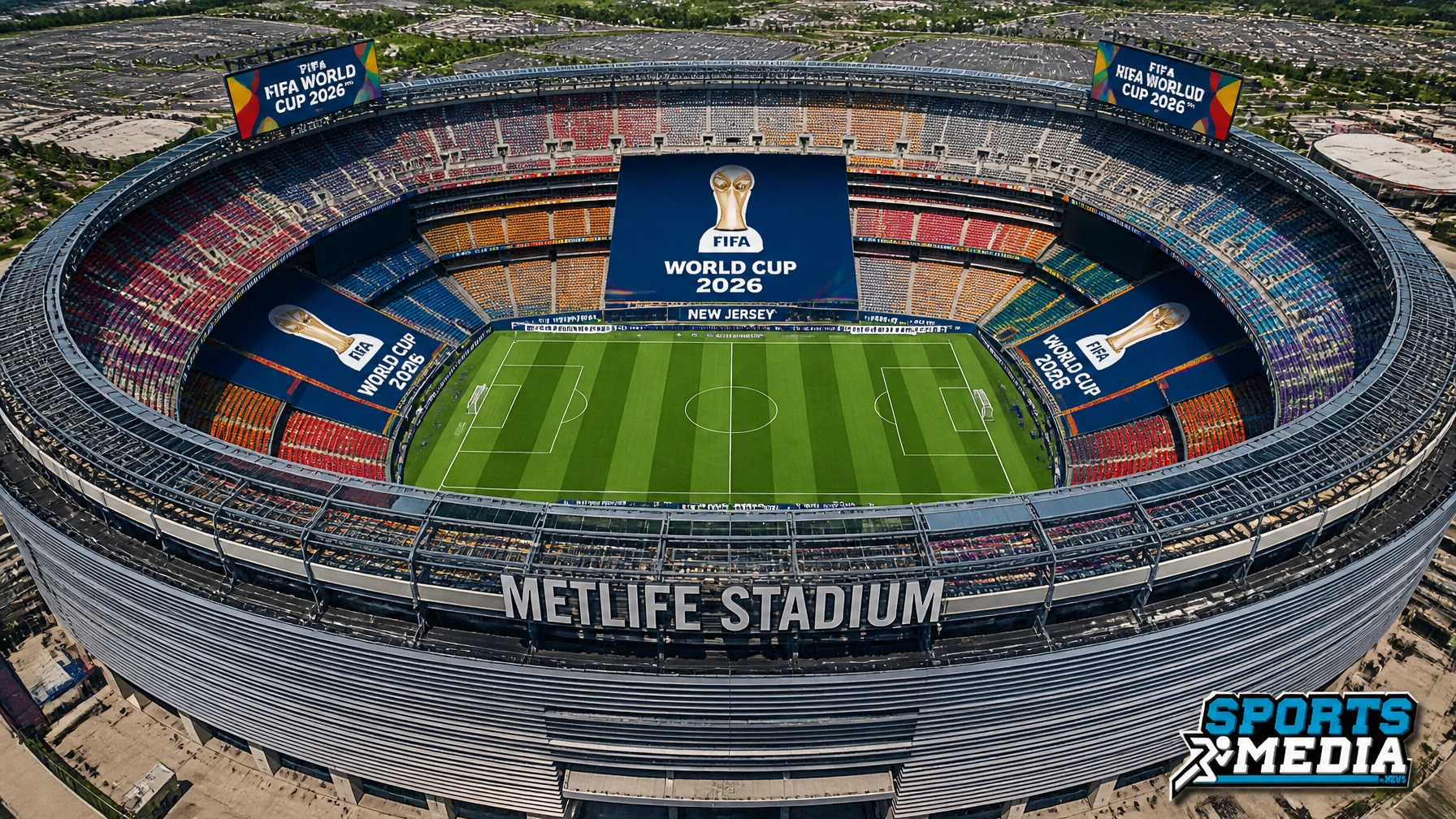
The attorneys general are seeking internal documentation detailing how FIFA managed ticket sales for the eight matches scheduled for MetLife Stadium in East Rutherford, New Jersey, including the high-profile final on July 19. Allegations suggest that FIFA restructured seat classifications mid-sale to maximize revenue. According to the investigation, FIFA created "new zones" and added a front section in each category after the initial sales phase had already begun.
"FIFA has turned buying a ticket to the World Cup into a gauntlet of confusion, fake scarcity, and impossibly high prices, all at the expense of consumers and hardworking New Jerseyans," said New Jersey Attorney General Davenport.
Fans have reported that those who purchased tickets in the original high-value zones were later excluded from those prime seats. Instead, many were reassigned to less desirable locations, including seats far from the pitch or obstructed views behind the goals. This practice, if proven, represents a significant breach of consumer trust in the sports business sector.

Conflicting Reports on Ticket Availability
A central point of confusion for the public remains the actual availability of seats. More than three months ago, FIFA President Gianni Infantino publicly declared that all 104 World Cup matches had officially sold out. However, as of early June, tickets continue to appear on FIFA's official platform for various matches, including those scheduled for the opening week in Mexico City.
This discrepancy has led industry analysts to question whether the initial "sell-out" claims were a marketing tactic to drive secondary market demand or if current availability is a result of returns and failed payments. "The lack of transparency regarding inventory is troubling," noted one industry expert. "When a global organization claims a sell-out but continues to list inventory at premium prices, it creates a market of 'fake scarcity' that only benefits the seller."
The issue of availability is particularly relevant to the management of major arenas, where empty seats at a supposedly sold-out event can negatively impact local sponsorships and the overall atmosphere of the match.
Controlling the Resale Market and Pricing Controversy
In a departure from traditional models, FIFA took the unprecedented step of bringing all World Cup ticketing operations in-house, bypassing local organizing committees. By operating its own exclusive resale platform, FIFA is able to capture a 15% commission from both buyers and sellers on every transaction.
This move has raised significant speculation among fan advocacy groups. By centralizing the resale market, FIFA has effectively cut out traditional ticket dealers, allowing the organization to profit directly from the higher prices generated by secondary demand. This internal control is a key focus of the ongoing legal investigations.
Attorneys general are also closely examining FIFA’s use of "variable pricing" (also known as dynamic pricing), which allows the organization to adjust ticket costs in real-time based on fluctuating demand. Reports indicate that between October 2025 and April 2026, FIFA raised prices for more than 90 of the 104 World Cup matches. Across the three main ticket categories, prices rose by an average of 34%.

The Broken Promises of 2018
The current pricing landscape stands in stark contrast to the promises made when the United States, Canada, and Mexico were awarded hosting rights in 2018. At that time, the federations committed to making the tournament accessible to local fans, promising to sell hundreds of thousands of tickets for as little as $21 each.
In 2026, those $21 tickets will be virtually non-existent for the general public. Instead, fans are faced with group-stage entry prices that often exceed several hundred dollars, while tickets for the final have reached five-figure sums on the official platform. This "arms race" for revenue has left many supporters feeling disenfranchised.
Seeking Legitimacy Amidst Expansion
As FIFA moves toward a 48-team format, the logistical challenges of managing tickets across three massive countries and 16 host cities are immense. The organization’s decision to move operations in-house was intended to provide a more streamlined experience, but it has instead created a bottleneck of controversy.
At the same time, the legal pressure from state attorneys general may serve as a catalyst for future changes in how major international sporting events are regulated. If the investigation reveals systemic deception or unfair pricing practices, it could lead to significant fines and a restructuring of how FIFA manages its commercial assets in North American markets.
With the first whistle set to blow on June 11, the focus remains on whether these systemic issues will be resolved in time to ensure full stadiums. Whether the 2026 World Cup is remembered for its brilliance on the pitch or its chaos at the box office remains to be seen.

Nicolas Dorigatti is a senior investigative reporter for Sportsmedia News, specializing in the intersection of sports law and collegiate athletics. His work focuses on NCAA compliance, NIL developments, and the evolving landscape of sports betting in North America.