


By Mark Ricci | June 29, 2026
WNBA team introductions have quietly become one of the league's most revealing rituals. Once a straightforward reading of names over a public‑address system, they are now increasingly polished, more creative, and more central to how fans experience the game from the moment they find their seats.
Introduction
The WNBA's 30th season is entering a pivotal stretch marked by historic individual achievements, increasingly competitive standings, and structural changes that will shape the league's trajectory in the coming years. While much of the analysis focuses on field goal percentages and playoff seeding, a significant shift has occurred before the opening tip. Recent developments on and off the court underscore both the maturity and continued growth of the women's professional game through the lens of arena presentation.
From Functional to Intentional
When the WNBA launched in the late 1990s, game presentation followed a familiar template: lights up, music in the background, the PA announcer working through starting lineups before the opening tip. The priority was getting the game underway, not building a narrative around the few minutes leading up to it.
As the league grew and production standards rose, introductions began to change. Arenas experimented with darker lighting during lineups, more prominent use of video boards, and music choices that better matched the energy in the building. These were incremental steps, but they marked a shift from purely functional announcements toward something closer to a designed moment in the fan experience.

"Success comes from building welcoming spaces where curiosity and connection matter more than performance, especially for new fans and young participants," says Lauren Dwyer, WNBA Director of Innovation and Growth. This philosophy has transformed the pre-game ritual from a mandatory logistical step into a high-stakes branding exercise.
A New Emphasis on Fan Experience
The evolution of team intros tracks closely with how the WNBA now talks about fan engagement. League and team executives increasingly frame game nights as "immersive, interactive experiences" that build emotional connection before, during, and after the event. Pregame presentation, including introductions, sits right at the front of that arc.
Rather than treating lineups as a bridge between warmups and the opening possession, clubs view introductions as an early touchpoint: a chance to welcome the crowd, signal that this is more than just a scoreboard contest, and set the tone for how the night should feel. This is reflected in broader investments in digital platforms like the WNBA app, which extend the storytelling around teams and players beyond the court and into fans' daily lives.

The business implications are substantial. According to Sportsmedia News analysis, the "experience ecosystem" built around these rituals has helped drive a 48% year-over-year increase in attendance across the league as of mid-2026.
Moments That Stand Out
Recent seasons have provided clear examples of how introductions can help define big nights. Expansion franchise Toronto Tempo, Canada's first WNBA team, opened its inaugural season with a sold‑out crowd at Coca‑Cola Coliseum and extended pregame ceremonies that underscored the significance of the debut. Those events began well before the opening tip, with league officials, local leaders, and community partners joining in a series of acknowledgments and presentations that framed the game as a milestone.

In the All‑Star setting, introductions have long been a space for creativity, and they continue to showcase that side of the league. The Team WNBA intro ahead of the 2024 All‑Star Game, featuring players such as Caitlin Clark, Angel Reese, Aliyah Boston, and Kelsey Mitchell, drew attention for the way it highlighted star power and personality before a single ball was bounced. These kinds of moments demonstrate how intros can serve as a bridge between competitive stakes and entertainment.
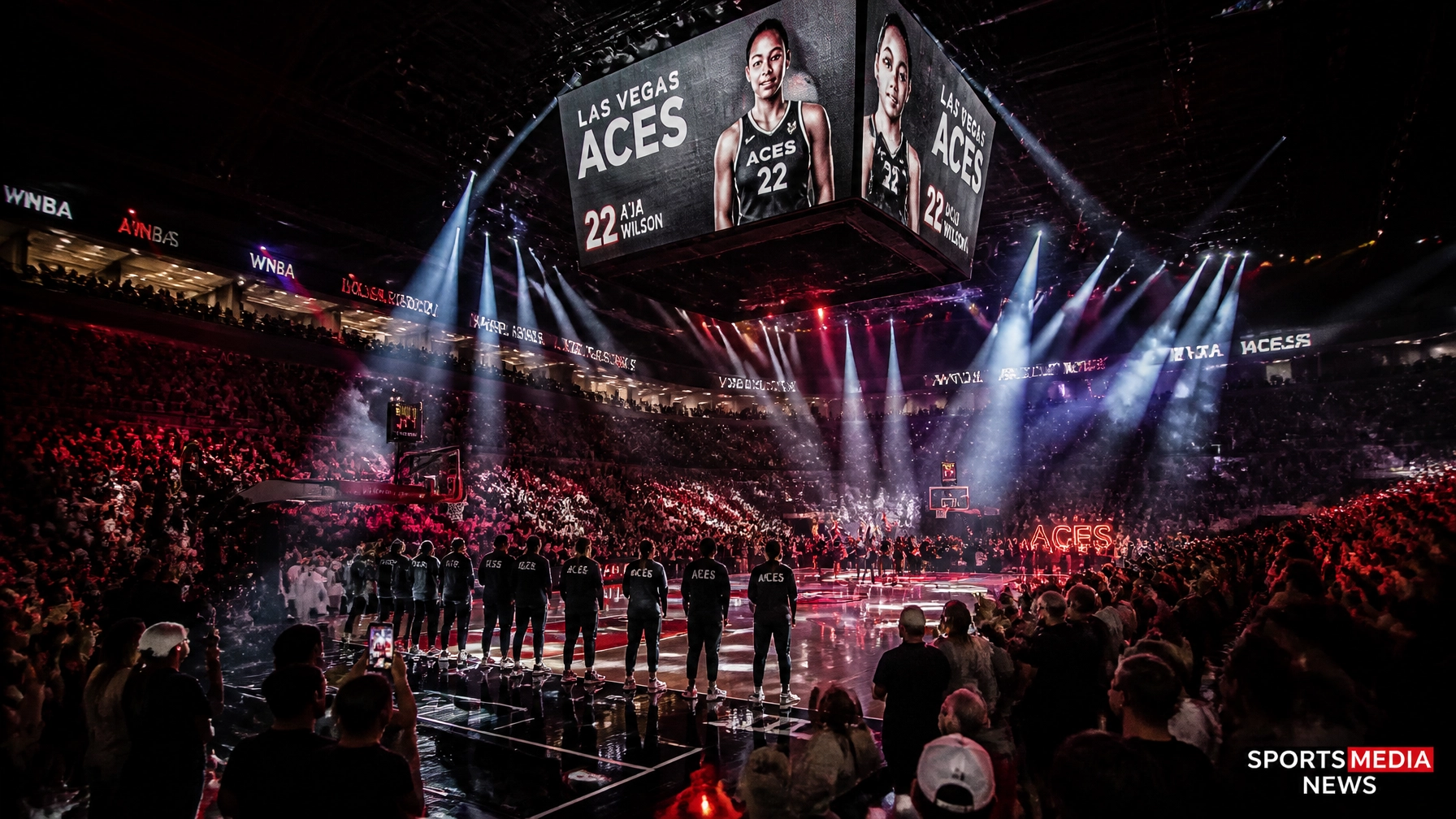
Even established stars like Las Vegas Aces forward A'ja Wilson use these moments to reinforce their status. Wilson, who recently became the fastest player in WNBA history to reach 6,000 career points, often anchors the Aces' coordinated routines. Her performance on the court : averaging approximately 25.9 points and 9.6 rebounds per game : is matched by her presence during the spotlighted walk-outs at Michelob ULTRA Arena.
Stars, Storytelling, and Social Reach
The growing visibility of WNBA stars has also shaped how introductions are perceived. Clips of pregame rituals, handshake lines, and starting lineup moments : such as the Las Vegas Aces' coordinated routines : circulate widely on social platforms, turning brief in‑arena sequences into content that reaches fans who may never attend in person.
Media and fan discussions around the league increasingly highlight presentation alongside performance. Analyses of "fan experience" regularly mention how certain markets are investing in atmosphere, presentation, and game‑ops details. "The WNBA shows that fans expect 'always‑on' experiences, with teams using social media to deliver behind‑the‑scenes content and introduce new players and coaches year‑round," notes David Dembowski, SVP at Operative.
The digital impact is quantifiable. WNBA social accounts generated nearly 2 billion views in 2024, and app usage surged by over 250%. By the 2026 season, these intro rituals have become the primary "hook" for social media engagement, providing the high-contrast, high-energy clips that drive viral sharing.
Intros as Part of the Experience Ecosystem
Experts in sports customer experience describe modern game environments as "experience ecosystems," where everything from community programs to arena programming contributes to how fans feel about a league. In that framework, team introductions function as a key early anchor: they connect the players fans know from highlights, interviews, and apps with a live, sensory moment : lights, sound, crowd reaction : that can be remembered long after the final buzzer.

For new franchises like the Golden State Valkyries and the Portland Fire, that moment helps define what they stand for in a crowded market. For established teams, it can nod to history, community partnerships, or current storylines. In every case, the way a team steps into the spotlight at the start of the night now carries more weight than it once did.
The shift toward this ecosystem was further enabled by the new collective bargaining agreement ratified earlier in 2026. The agreement not only permitted a 50-game season starting in 2027 but also included provisions for increased club-level spending on arena technology and fan engagement specialists.
Where It's Headed
Looking ahead, there is reason to think introductions will continue to evolve. The WNBA's timeline of expansion and relocation : new franchises entering the league in Cleveland (2028), Detroit (2029), and Philadelphia (2030), and the Connecticut Sun moving to Houston in 2027 : suggests a future in which more teams are building their identities from the ground up.
Pregame ceremonies and intros are likely to remain a strategic piece of that process. As the league expands its geographic reach and domestic influence, the ritual of the introduction serves as the nightly bridge between the business of sports and the passion of the fanbase. What we can say with confidence is that the league has moved far beyond the days when intros were an afterthought. They have become more polished, more creative, and more important as a fan-facing part of the WNBA experience: one of the first chances each night to show what the league is, and what it is becoming.
Mark Ricci is a sports business analyst covering the WNBA, league expansion, and professional athlete performance for Sportsmedia News.
SEO Keywords: WNBA, team introductions, fan engagement, sports marketing, Toronto Tempo, A'ja Wilson, Las Vegas Aces, Golden State Valkyries, Portland Fire, expansion, sports business