


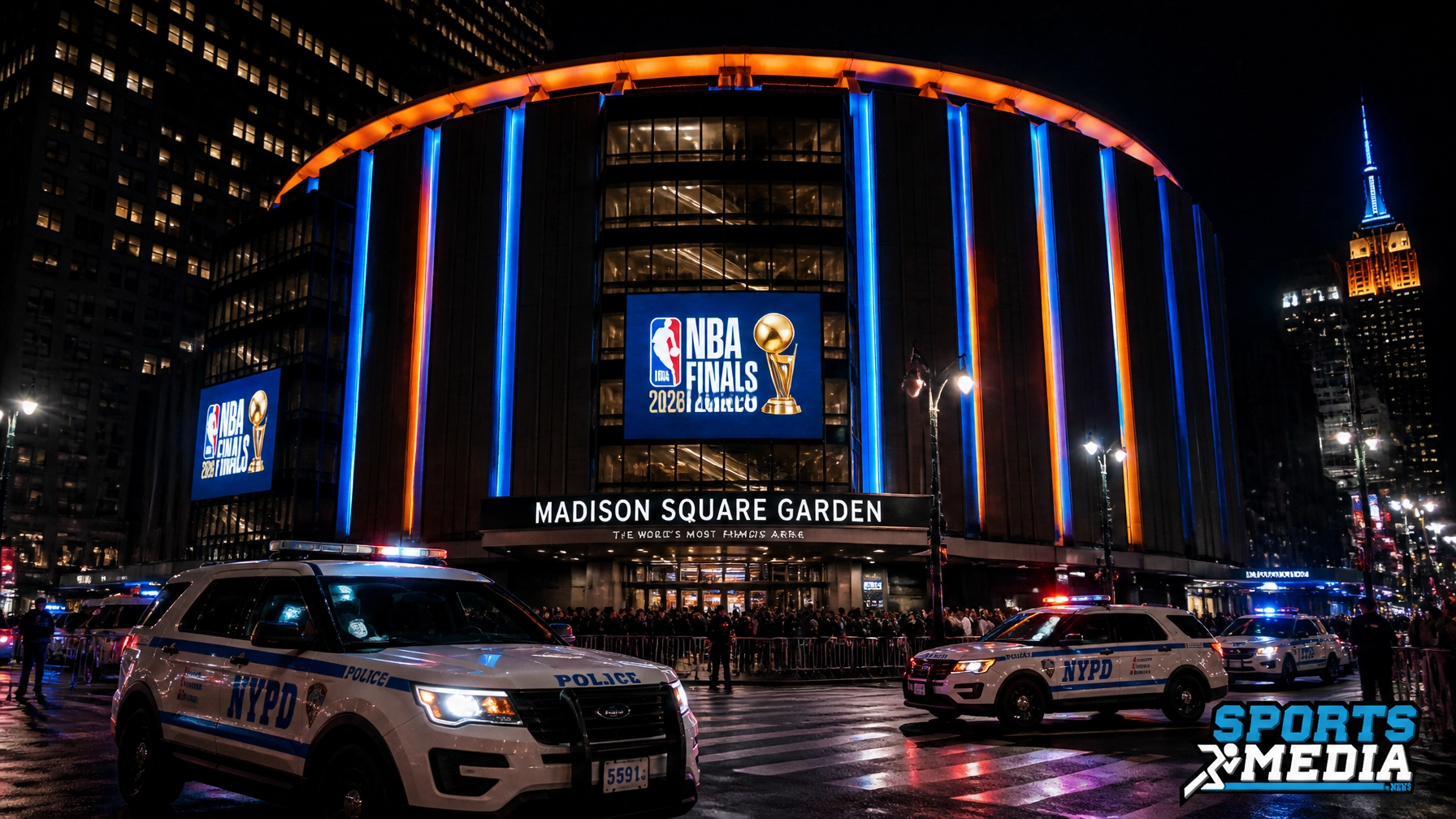
Chaos in Manhattan: Fan Violence Overshadows Spurs' Historic Game 3 Victory.
By Mark Ricci | June 10th, 2026
The San Antonio Spurs’ 115-111 victory over the New York Knicks in Game 3 of the 2026 NBA Finals was intended to be a narrative about resilience and the rising dominance of Victor Wembanyama. Instead, the post-game discourse has been dominated by disturbing reports of fan violence across Manhattan, overshadowing a win that cut the series deficit to 2-1 and snapped New York’s historic 13-game postseason winning streak.
What began as a high-stakes athletic contest at Madison Square Garden quickly devolved into a public safety crisis in the surrounding streets. Reports from ABC, ESPN, and the Associated Press detailed a night of clashes, arrests, and targeted assaults against visiting fans. For the NBA and the city of New York, the evening shifted from a celebration of the league’s premier championship event to a sobering demonstration of the logistical and reputational risks associated with large-scale sporting events.
Violence Outside Madison Square Garden
The atmosphere inside the "World’s Most Famous Arena" was electric during the four quarters of play, but that energy took a dark turn once the final buzzer sounded. As Spurs supporters exited the venue, they were met by pockets of hostility that extended far beyond the usual playoff banter.
Witness accounts and social media footage corroborated by local news outlets depicted a chaotic scene near the arena and in the greater Manhattan area. Groups of individuals, some identified as Knicks fans, allegedly targeted Spurs supporters, leading to physical altercations. In several recorded instances, visiting fans had their jerseys forcibly removed or were harassed while attempting to reach public transportation.
The transition from a controlled environment inside the arena to the "unfiltered" streets of Midtown Manhattan presents a recurring challenge for metropolitan police and private security firms. While Madison Square Garden maintains a high-tech security posture, the jurisdiction of that security largely ends at the building's perimeter, leaving the surrounding blocks under the watch of the NYPD, which was already stretched thin by the massive crowds.

Assaults and Arrests Reported
The legal and physical fallout of the night was significant. According to authorities, a 39-year-old Spurs fan was assaulted shortly after midnight on West 47th Street, suffering facial injuries and multiple bruises. This incident was not isolated, as police reported that more than 20 individuals were arrested or issued summonses in connection with disorderly conduct and direct clashes with law enforcement.
The reports describe a landscape of public disorder where some individuals threw bottles at officers, climbed scaffolding, and damaged municipal property, including street signs and light poles. "The level of aggression seen last night was a deviation from the standard playoff atmosphere we expect," a security analyst familiar with the area noted.
The issue of safety at major sporting events has been a growing concern for league executives. The assault on West 47th Street serves as a concrete example of how fan passion, when unchecked, can transition into criminal activity. The 20+ arrests represent a significant spike in post-game incidents compared to the first two games of the series, indicating a volatile shift in the fan dynamic as the stakes of the Finals increase.
The Tactical Impact of Fan Disorder
From a business and operational standpoint, fan violence of this scale triggers a cascade of tactical consequences. The NBA operates under a strict "Fan Code of Conduct," which is designed to ensure a safe environment for all participants. However, enforcing this code becomes exponentially more difficult: and expensive: when the behavior spills into the public square.
Madison Square Garden has long been a leader in stadium security, frequently utilizing technologies and protocols that align with the Department of Homeland Security’s SAFETY Act standards. These standards involve 24/7 surveillance, high-tech screening, and integrated response policies. However, the events of Game 3 may force a reassessment of "buffer zones": the areas immediately surrounding the arena where fans congregate post-game.
Increased security presence often leads to higher operating costs for the venue and the league. For a team like the Knicks, whose valuation is deeply tied to the "premium" experience of Madison Square Garden, the perception of an unsafe environment is a material threat. Security experts suggest that future games may see an "arms race" of surveillance and police deployment, similar to the massive sponsorship investments currently being seen in other sectors of the sports world.

Players and League Condemn the Violence
The reaction from the basketball community was swift and unanimous. Victor Wembanyama, the star of the evening with 32 points, was somber during his post-game press conference. When asked about the reports of violence, Wembanyama was direct: "This is not what we play for. Competition is for the court. When people are being hurt outside for wearing a jersey, it’s unacceptable. We want our fans to be safe, regardless of who they support."
League officials mirrored this sentiment, emphasizing that the NBA is working closely with New York City authorities to identify those involved in the assaults. The league’s stance is one of zero tolerance; individuals identified in these attacks are likely to face lifetime bans from all NBA arenas, a policy the league has increasingly relied upon to curb unruly fan behavior.
The condemnation from players like Wembanyama is crucial for the league’s brand management. The NBA has spent decades positioning itself as a family-friendly, global entertainment product. Incidents of tribalistic violence threaten that narrative, potentially alienating casual fans and corporate sponsors who demand a "brand-safe" environment for their logos and activations.

A Public Relations Crisis for New York City
The aftermath of Game 3 has evolved into a full-scale public relations crisis for the New York Knicks and the city of New York. In the competitive landscape of sports business, a city's reputation as a host is a valuable asset. When a "Escape from MSG" narrative begins to trend, it impacts everything from future All-Star Game bids to the willingness of international tourists to attend games.
For the Knicks, the loss on the court was a tactical setback, but the violence in Manhattan is a corporate liability. The organization must now balance the "tough, gritty" persona of its fanbase with the necessity of maintaining a safe, professional atmosphere. Skeptics may point to the incident as a failure of local crowd control, while others see it as an inevitable, if regrettable, byproduct of high-intensity sports culture.
Looking forward, the pressure is on the NYPD and MSG security to prevent a recurrence in Game 4. Industry analysts predict a visible increase in tactical police presence, more stringent "fan zones," and perhaps even an earlier "last call" for alcohol sales in the Midtown area. The goal is to return the focus to the basketball, where the Spurs have proven they are a legitimate threat to the Knicks' championship aspirations.
"The business of sports is built on the fan experience," said one marketing executive. "If that experience includes fear or physical harm, the business model begins to crack." As the series continues, the league will be watching the streets of New York as closely as the action on the hardwood.

Mark Ricci is a seasoned sports journalist covering the NBA and its business landscape.