


The Thin Line Between Elite Confidence and Sporting Ego: How the World’s Greatest Athletes Navigate the 2026 Stage
By Mark Ricci | July 6, 2026
In the 2026 FIFA World Cup, pride and arrogance are on display in every match—and from the outside, they often look almost the same. Pride is the belief and edge players need to perform on the biggest stage; arrogance is what happens when that edge turns into thinking you're above teammates, opponents, or even the game itself. Understanding the difference helps explain why some stars are praised for confidence while others are criticized for ego.
Pride vs. arrogance: the World Cup version
At this World Cup, pride usually shows up as:
- Confidence rooted in years of work and big‑game experience.
- Respectful talk about teammates, coaches, and opponents.
- Owning mistakes and tough results instead of deflecting blame.
Arrogance, by contrast, looks like:
- Treating opponents or officials as beneath you.
- Acting as if criticism or rules don't really apply.
- Putting personal image or records consistently ahead of the team.
On the field, both can show up as:
- Intense celebrations, stare‑downs, or trash talk.
- Visible frustration with missed chances or refereeing.
The difference becomes clear in how players respond when things go wrong and how they talk about everyone around them in the days after.
"Pride" players: confidence with accountability
In 2026, several big names embody great pride without slipping into clear arrogance.
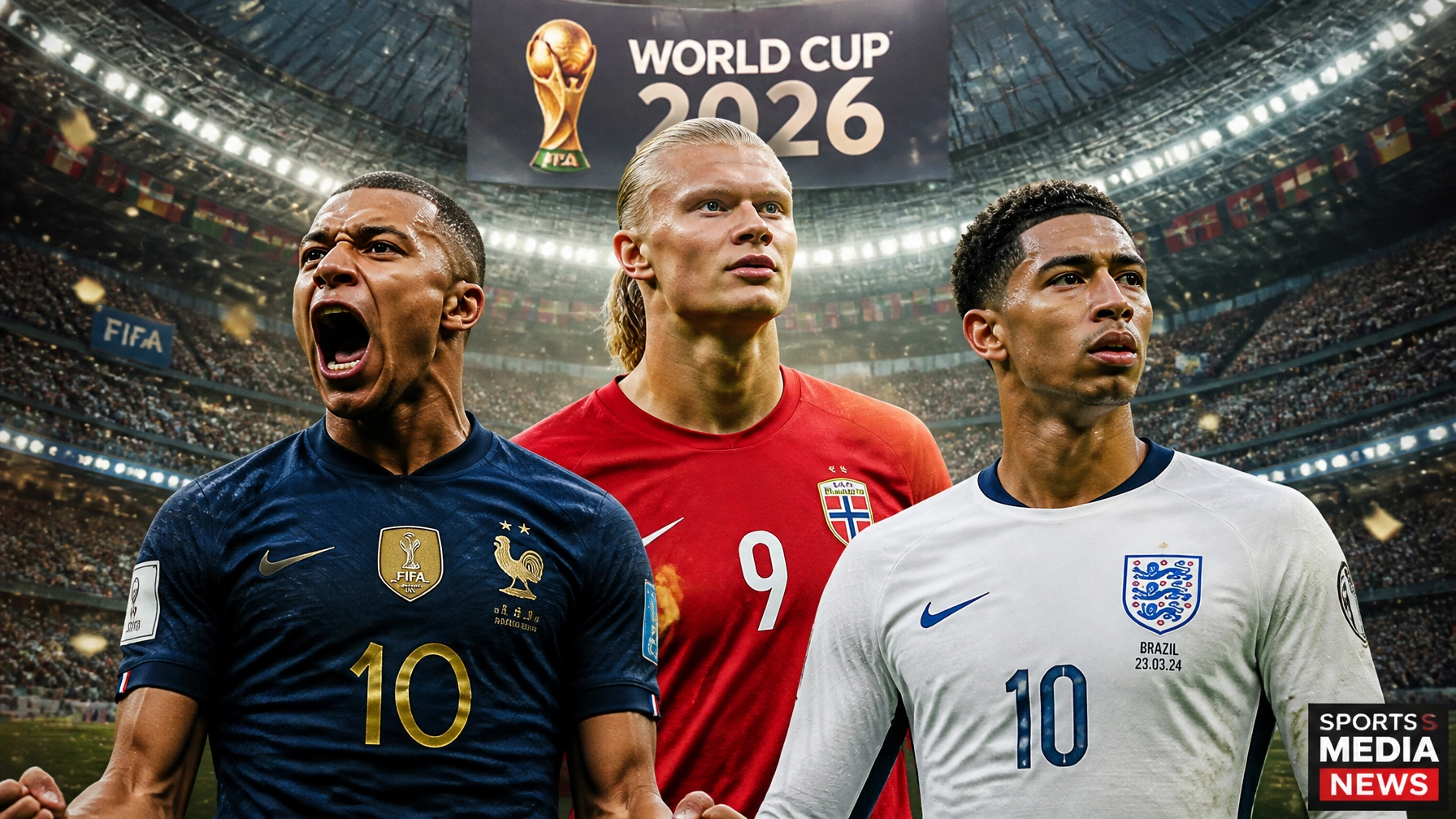
Kylian Mbappé and France
France arrived at this World Cup carrying the weight of expectation, and Kylian Mbappé remains their defining star. His performance in the round of 32—scoring twice in a 3–0 win and breaking France's all‑time scoring record—was full of visible confidence: demanding the ball, attacking defenders, and celebrating big moments. Yet when he speaks after matches, he emphasizes the collective: talking about teammates' contributions, the team "changing gear," and the group's responsibility to control games. That blend of swagger and team‑first language is classic pride.
Even Zlatan Ibrahimović—himself associated with arrogance throughout his career—recently pushed back on the idea that France's approach was arrogant, arguing that "ignorant people will say it's arrogance; intelligent people will say it's confidence." His comment about France "changing gears," not many nations can match, captures what pride looks like at this level: belief in dominance rooted in reality, not dismissal of everyone else.
Erling Haaland and Norway
Norway's presence in the knockouts has been driven in large part by Erling Haaland. His style—direct runs, powerful finishes, relentless pressing—radiates belief. But his public image is built just as much on work ethic and respect: talking openly about needing his teammates' service, acknowledging when he misfires, and speaking about learning from past tournaments. That's competitive arrogance in front of goal, matched with humility in how he frames his own role.
Jude Bellingham and England
England's young midfield leader, Jude Bellingham, plays with an obvious edge: chest‑out celebrations, constant demands for the ball, visible annoyance when standards drop. At the same time, he talks frequently about responsibility, growth, and the need to keep improving. He is honest about bad performances, accepts criticism, and pushes for collective improvement rather than just protecting his own image. That's pride: the belief that he can decide games, anchored in accountability.
"Arrogance" patterns: ego over the tournament
At this World Cup, accusations of arrogance tend to follow patterns of behavior rather than one-off moments.
Disrespecting opponents or officials
When players or coaches repeatedly dismiss opponents in pre‑match talk, complain about referees as if decisions were owed to them, or refuse to shake hands, fans, and the media quickly label it as arrogance. The line is crossed when confidence in your own team morphs into contempt for everyone else.
Personal brand over team result
World Cups are marketing platforms, and some stars lean heavily into that: constant social content, personal slogans, choreographed celebrations. It feels arrogant when that branding remains unchanged even in poor form, or when post‑match talk focuses more on individual narratives than on shared performance.
Public blame and deflection
When a player repeatedly suggests that teammates or conditions are at fault without acknowledging their own missed chances or mistakes, the perception moves from pride to ego. At this tournament, fans have reacted sharply whenever stars hint that they "weren't put in the right position" rather than simply saying they needed to be better.
Archetypes with real World Cup players in mind
Even without pinning labels on specific individuals, it's easy to see how 2026 stars map onto familiar pride-versus-arrogance archetypes.
The quiet superstar
Some stars keep their pride almost entirely in their play. Think of technically brilliant midfielders or defenders who rarely give provocative interviews, celebrate modestly, and speak mainly about systems, teamwork, and preparation. Their confidence is obvious in how they control games, but they rarely invite accusations of arrogance because their public persona stays understated.
At this World Cup, several captains and deep‑lying playmakers fit that mold: they lead by example, not by volume.
The brash match‑winner
Others live on the visible edge: bold gestures, verbal battles, dramatic celebrations, intense eye‑contact with cameras. This can be healthy pride when match‑winners consistently deliver and stay within team structures. It starts to tilt toward arrogance when the theatrics continue regardless of performance or when ego seems to overshadow discipline.
Several forwards and wingers in 2026 fit this category, and social media tends to magnify their most expressive moments: sometimes missing the quieter signs of respect and accountability that happen off‑camera.
The outspoken spokesman
Some players serve as de facto spokespeople: weighing in on tournament organization, officiating standards, social issues, and the direction of their national teams. When that outspokenness is paired with hard work, responsibility, and a clear sense of representing more than themselves, it reads as pride and leadership. When it mostly surfaces in frustration and self‑defense, fans and media interpret it as arrogance.
In 2026, you can see this in players who talk about inclusivity and fan culture around the World Cup, or who criticize decisions while still framing their comments in terms of team and supporters rather than personal inconvenience.
Why it's especially hard to tell them apart in 2026
This World Cup is the biggest ever—more teams, more matches, more cameras, and far more social media. That changes the pride vs. arrogance conversation:
- Short clips strip away context, making normal frustration look like entitlement.
- National biases mean a hero at home can be branded arrogant abroad for the same gestures.
- Winning or losing swings perceptions: the same celebration looks like justified pride after a 3–0 win and mocking arrogance after a labored draw.
Commentators and pundits have noted exactly this dynamic when discussing France, for example: people quick to call their slower first halves "arrogant" were told by others that what they were seeing was a calculated confidence in the team's ability to raise the level when needed. The underlying behavior didn't change—only the interpretation.
Where do the top players in the 2026 World Cup land?
Most of the tournament's biggest names sit in a mixed zone:
- They have competitive arrogance on match days: they genuinely believe they can decide games and act accordingly.
- They aim for personal pride with humility off the pitch: acknowledging teammates, coaches, and fans, and at least publicly owning mistakes.
Mbappé, Haaland, Bellingham and other leading stars all show this duality: fierce confidence between whistles, often paired with language about collective responsibility when the microphones come out. Supporters will disagree about who crosses the line—fans of rivals will always see more arrogance—but in practice, very few top players are either purely humble or purely egotistical.
The real challenge in 2026 is the same as in every era: players must keep their confidence anchored in work, respect, and accountability, while fans and media must learn to distinguish between pride that fuels greatness and arrogance that undermines it. At this World Cup, most of the biggest names are walking that tightrope in real time—and how we judge them often says as much about us as it does about them.
Mark Ricci is a seasoned sports journalist for Sportsmedia News, specializing in player psychology and international competition. With experience covering FIFA tournaments and UEFA leagues, Ricci provides deep insights into the mental edge required for elite performance. Follow his coverage of the 2026 World Cup for more on the evolving culture of global football.