


A quick overview
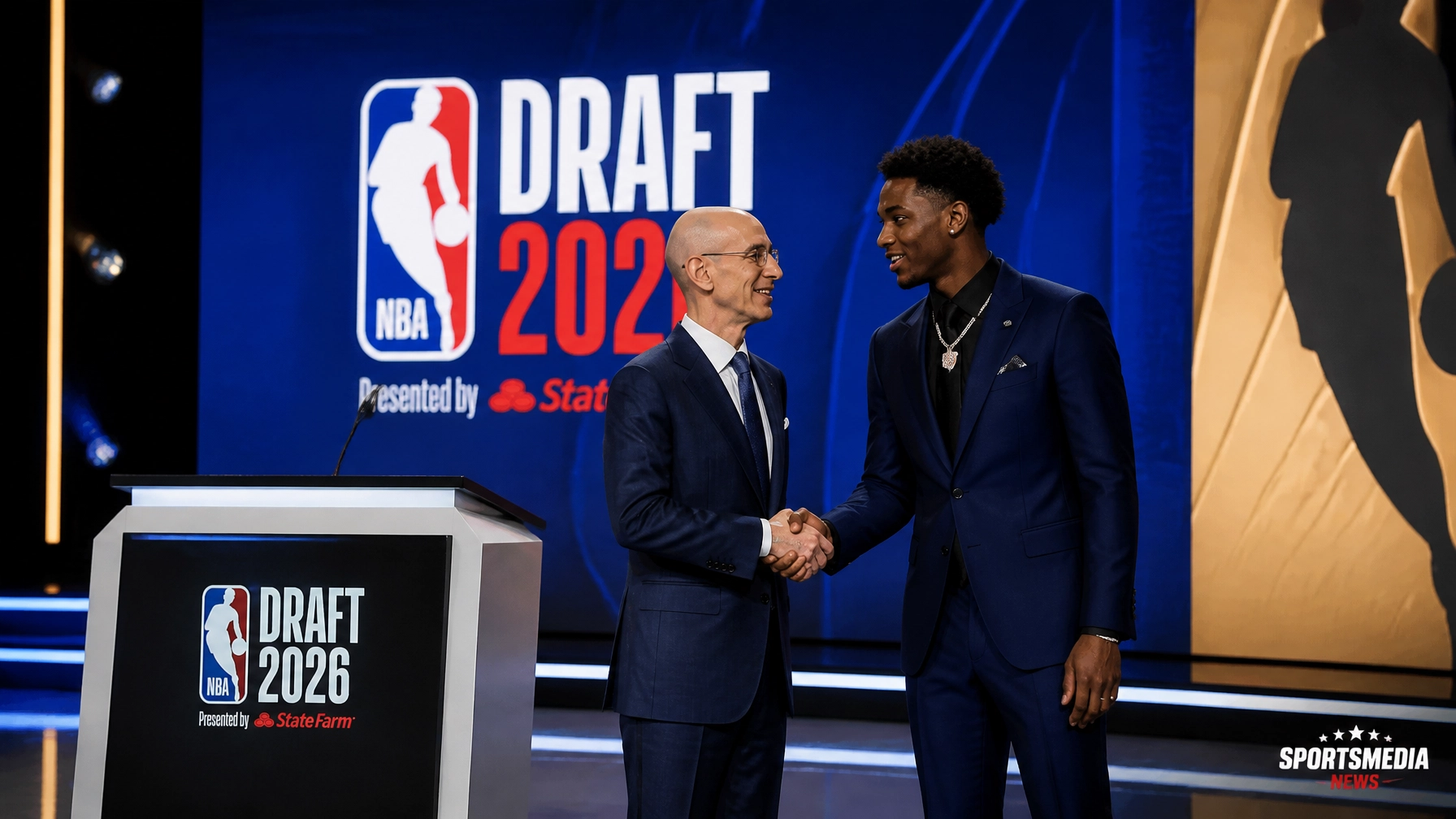
The 2026 NBA Draft centered on elite upside at the top, with the Washington Wizards selecting AJ Dybantsa first overall and setting the tone for a first round that emphasized high-end talent, positional versatility, and long-term roster building. The draft also reflected a relatively efficient market, with several teams using their picks to secure foundational players rather than making a flurry of dramatic trades.
Top of the board
Washington used the No. 1 pick on AJ Dybantsa out of BYU, a forward widely viewed as one of the class's most gifted scorers and playmakers. The Utah Jazz followed at No. 2 with Darryn Peterson; Memphis selected Cameron Boozer at No. 3; Chicago took Caleb Wilson at No. 4; and the Los Angeles Clippers chose Keaton Wagler at No. 5.
Those early selections signaled a draft class defined by premium talent at the top. ESPN's draft coverage framed the 2026 class around questions of value, fit, and overall strength, while post-draft analysis noted that the highest picks largely went to players expected to make an immediate impact on their new teams' long-term outlooks.
Draft themes
One of the clearest themes was versatility. The top prospects were not one-dimensional specialists; they were high-usage players capable of creating offense, defending multiple positions, or anchoring a team's identity in different ways. That made the 2026 class attractive to teams looking beyond immediate needs and toward players who could grow into bigger roles over time.
Another theme was stability at the top. Unlike drafts that are dominated by major trade movement, the 2026 first round was relatively calm. Reporting on the draft noted that there were comparatively few first-round trades, giving the board a more straightforward shape than some recent classes. That allowed teams to stay in place and, more often than not, take the best available player.
Team strategies
Different franchises approached the draft with different priorities, but the overall pattern was clear: teams wanted premium talent. Washington and Utah came away with franchise cornerstone candidates, while Memphis, Chicago, and Los Angeles each added players with strong two-way or offensive upside. The early selections showed that front offices valued ceiling as much as fit, particularly in a draft class considered strong at the top.
The first round also featured a mix of college and international pathways, reflecting how broad the modern talent pipeline has become. The NBA's prospect list and draft coverage included college standouts as well as players whose development paths stretched beyond a single domestic route. That variety has become a defining feature of the league's draft process.
Why it mattered
The 2026 NBA Draft mattered because it added another layer to the league's changing competitive landscape. Washington landed a potential centerpiece in Dybantsa, Utah added a highly regarded backcourt prospect in Peterson, and Memphis secured one of the class's most decorated young forwards in Boozer. Those picks shaped not just draft-night reactions, but each franchise's long-term direction.
Early reaction from draft analysts suggested that the class should be judged by development as much as by immediate impact. That is especially true in a draft where the top names arrived with significant expectations and where several teams chose to prioritize upside, skill, and future roster construction over short-term fixes.
By Mark Ricci
Mark Ricci is an NBA analyst and sports business contributor for Sportsmedia News, covering league operations, draft strategy, and the business of professional basketball.