


By Carolyn Coene
June 17th, 2026
Formula 1 is one of the fastest sports in the world, with cars regularly exceeding 200 miles per hour. Despite that intensity, modern Formula 1 is significantly safer than it once was. Today, accidents that once would have been fatal are now more survivable due to years of engineering advancements, crash data, and new technology. Even outside of racing, companies like Drive Fear Free are using similar ideas through simulation training to help people learn safer driving in a controlled, low-risk environment.
F1 safety has developed into a layered system built through years of research, testing, and real-world lessons from crashes. The goal isn’t to eliminate danger completely: F1 will always be a high-speed sport: but to reduce the chance of serious injury when accidents happen. Modern cars, driver equipment, and data systems all work together to accomplish that.
In the earlier years of Formula 1, safety standards were much lower than they are today. Cars offered limited structural protection, helmets were less advanced, and circuits often had minimal runoff areas or barriers. Crashes occurred more frequently, and serious injuries were widely seen as part of the sport rather than rare exceptions. Over time, improvements such as medical response teams, trackside rescue vehicles, helicopter evacuation, energy-absorbing barriers, and expanded runoff areas began to change that.
As safety awareness increased, Formula 1 shifted its approach. Instead of reacting after accidents, engineers began building protection directly into the design of the cars and the structure of the sport itself. That shift is what defines modern F1, where safety is no longer separate from performance but built directly into the sport itself.
The survival cell


The survival cell, also called the monocoque, is one of the most important safety features in modern Formula 1. This is known as the driver’s cockpit, made from layers of carbon fiber composite. It is designed to stay intact during major impacts, even when other parts of the car fall apart.
Around it are front, rear, and side impact structures that are built to absorb and spread crash forces. Instead of energy being transferred directly to the driver, these structures are designed to distort in controlled ways, reducing the impact inside the cockpit.
The Halo

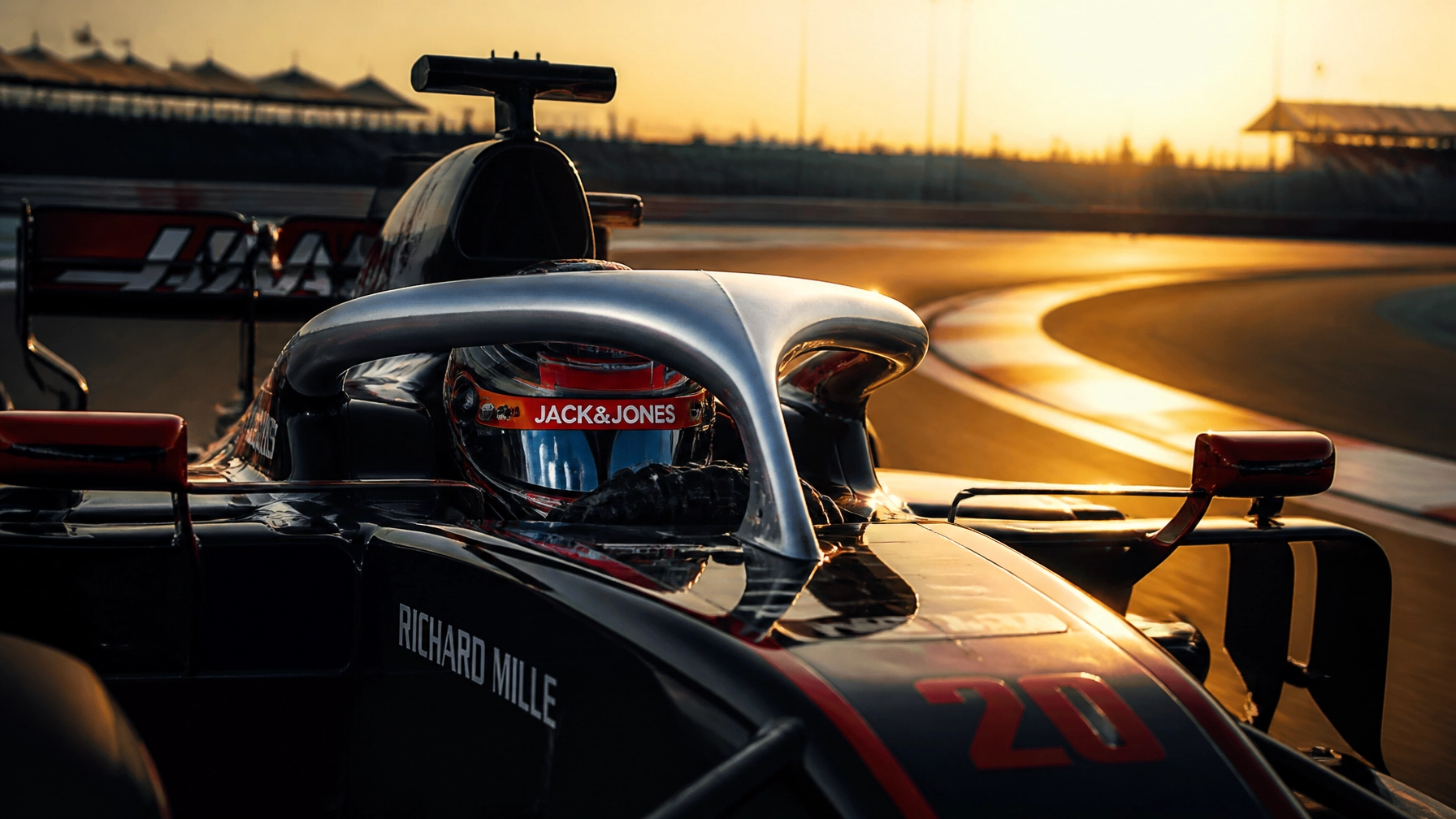
The Halo device is another major safety innovation that was introduced in 2018. It is a titanium structure installed above the cockpit that protects the driver’s head from debris and direct impacts.
The Halo was controversial when it was first introduced because of its appearance and the idea of adding a barrier to open-cockpit racing. But its effectiveness quickly changed that belief. It has since played a role in preventing serious injuries in multiple high-speed incidents, becoming one of the most important safety additions in the sport.
Driver safety equipment

F1 drivers also rely on specialized protective gear. This includes fire-resistant suits, gloves, boots, and underlayers designed to resist extreme heat for several seconds in case of a fire.
Helmets are constructed to extremely high safety standards, designed to protect against high-speed impacts while remaining light enough for racing conditions. Drivers also use the HANS device, which helps reduce strain on the neck and head during sudden deceleration.
A six-point harness system keeps the driver securely in place inside the cockpit, ensuring their body stays stable within the survival cell during a crash.
Fire safety and car systems
Modern Formula 1 cars also include built-in fire safety systems. Fuel tanks are designed to be highly resistant to punctures, and cars are equipped with fire suppression systems that can be activated quickly if needed.
These systems are part of a wider approach in F1: instead of relying on one solution, safety is built through multiple overlapping protections that work together depending on the type of accident.
Data and continuous improvement
Another key part of modern F1 safety is data. Every car is equipped with an Accident Data Recorder that captures detailed information during crashes, including speed, force, and movement patterns.
Engineers and safety officials use this data to reconstruct accidents and understand exactly what happened. That information is then used to improve car design, update safety rules, and enhance track standards.
The future of safety: Beyond the track

Formula 1 is still a high-risk sport, but it is far safer today than it has ever been. This is solely due to years of redesigning cars, improving equipment, and learning from accidents to prevent them from happening again in the same way.
From the survival cell to the Halo to advanced data systems, every area of safety is designed with one goal in mind, which is to protect the driver while also preserving speed and competition that define the sport. That same philosophy is now expanding beyond racing, influencing training systems like Drive Fear Free that aim to make driving safer long before anyone gets on the track or the road.