


How Nissan's GT Academy Turned a Video Game Prodigy Into a Real-World Racing Star
By: Lillian Castor
26 June 2026
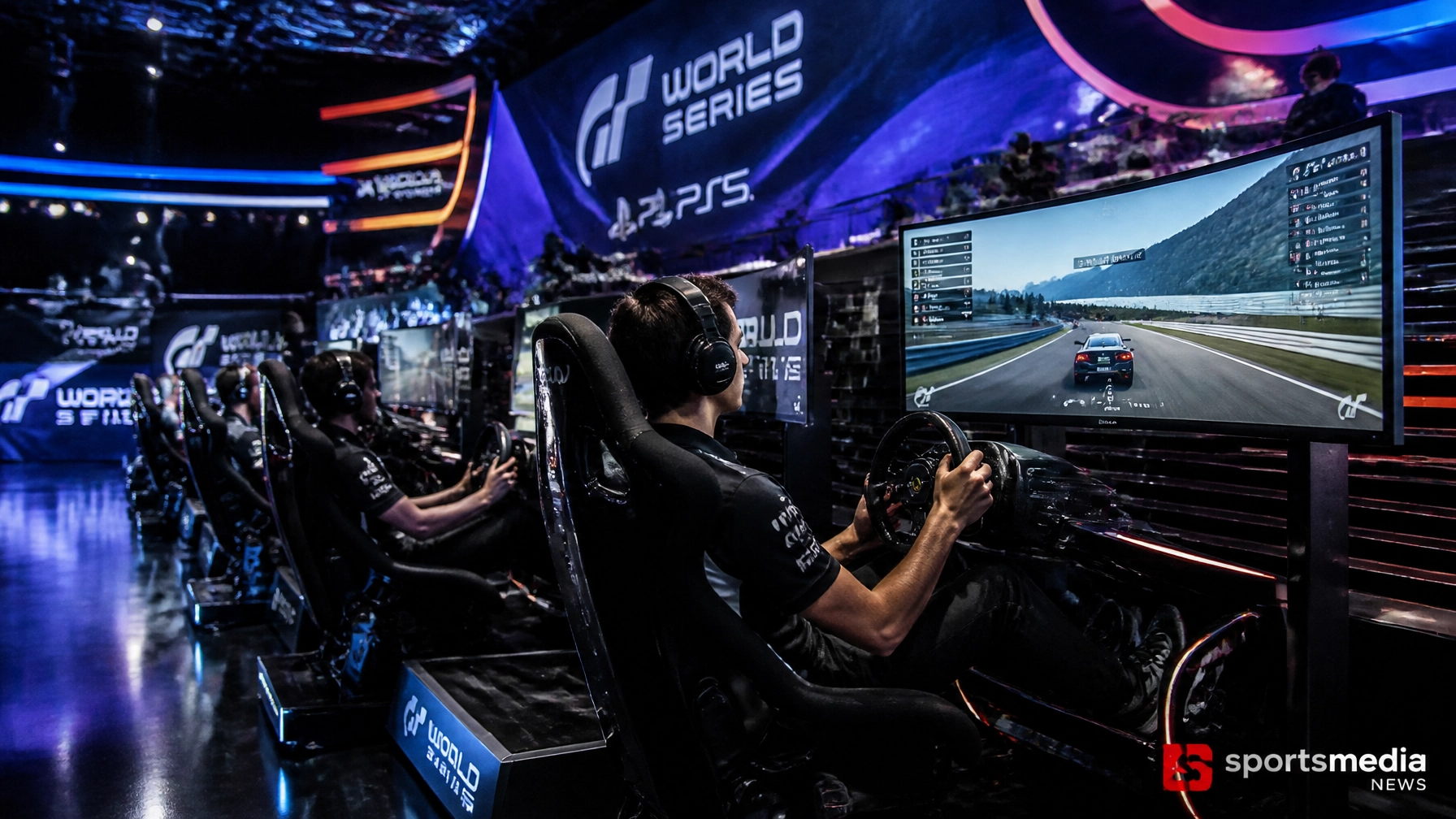
The intersection of virtual simulation and professional athletics reached a decisive turning point in the early 2010s, fundamentally altering the recruitment landscape of global motorsport. At the center of this shift was Jann Mardenborough, a Cardiff-born gamer whose transition from a bedroom PlayStation setup to the podium at the 24 Hours of Le Mans served as a proof-of-concept for an entire industry. What began as a marketing venture between Nissan and Sony’s Gran Turismo franchise evolved into a legitimate talent pipeline, challenging the traditional, high-capital barriers to entry in professional racing.
From Console to Cockpit
In 2011, the Nissan GT Academy received approximately 90,000 entrants for its online qualifying rounds. Among them was 19-year-old Jann Mardenborough, who had spent his teenage years mastering the physics and tracks of Gran Turismo. The competition, a joint venture between Nissan and Polyphony Digital, sought to answer a radical question: Could the skills homed in a digital environment translate to the physical G-forces of a racetrack?
Mardenborough emerged as the youngest winner of the 2011 season, securing a professional racing contract with Nissan after a grueling "Race Camp" at Silverstone. .
Following his win, Mardenborough underwent an intensive driver development program designed to bridge the gap between simulation and reality. This "virtual-to-reality" pipeline proved so effective that the GT Academy eventually produced 22 professional drivers over its eight-year run, establishing a new precedent for how sports organizations might scout for talent in an increasingly digital world. This trend mirrors developments in other sectors, such as the hundreds of millions of dollars being funneled into sports sponsorships by tech-centric firms seeking to capitalize on digital-native audiences.
What Is Endurance Racing?
Central to Mardenborough’s professional journey was his specialization in endurance racing, a discipline that prioritizes mechanical reliability and human stamina over short-burst speed. Unlike Formula 1 or sprint races, endurance events require teams of two to four drivers to share a single vehicle, covering maximum distance within a set timeframe.
These events typically range from six to 24 hours. The most prominent examples include:
- The 24 Hours of Le Mans: Held annually in France, it is the world's oldest active endurance race.
- The 12 Hours of Sebring: A premier American event known for its bumpy, challenging surface.
"Jann Mardenborough went from racing laps on Gran Turismo to standing on the Le Mans podium," noted a Nissan representative in a retrospective on the program's success. The discipline requires a unique psychological profile; drivers must maintain consistent lap times while managing tire wear, fuel consumption, and the physical fatigue of multiple multi-hour stints. For a driver trained in simulators, the transition was aided by the fact that Gran Turismo had spent decades refining its "real driving simulator" physics engine to mimic these exact conditions.
Jann's Racing Career
Mardenborough’s professional resume spans several of the most competitive series in motorsport. Following his 2011 victory, he competed in the Blancpain Endurance Series, the British GT Championship, and moved into single-seaters, finishing second in the 2016 Formula 3 Japan circuit.
However, the transition was not without significant adversity. In March 2015, during a VLN endurance event at the Nürburgring Nordschleife, Mardenborough’s Nissan GT-R NISMO GT3 caught air over a crest at the "Flug Platz" section. The car flipped and cleared the spectator fence, resulting in the death of one spectator and injuries to several others.
The incident led to immediate safety overhauls at the Nürburgring, including speed limits in certain sections and modifications to the track surface. Mardenborough was deeply affected by the tragedy, stating at the time that his "thoughts and sympathies were with the deceased spectator’s family." Despite the psychological weight of the accident, he returned to the cockpit, eventually achieving his biggest career milestone in 2015 when he became one of the first GT Academy winners to drive the high-tech LMP1 prototype for Nissan at Le Mans.
His career demonstrated that while virtual skills provide a foundation, the physical risks of the "Green Hell" and other circuits remain a sobering reality that no simulator can fully replicate.
A Lasting Legacy
The GT Academy concluded in 2016, but its influence on the sports business landscape persists. The program's success forced traditional racing organizations to reconsider their attitudes toward sim-racing and talent scouting. Today, nearly every major Formula 1 team operates an esports division, and driver development programs increasingly utilize high-fidelity simulators as the primary tool for training.
The economic impact of this shift is measurable. By 2026, the global racing simulator market is projected to reach an estimated valuation of $2.04 billion, growing at a compound annual growth rate (CAGR) of approximately 15.8%. This growth is driven by both professional applications and a massive surge in home-consumer equipment, as the line between gaming and professional preparation continues to blur.
Mardenborough’s story, further popularized by a 2023 major motion picture, has become a case study in brand storytelling and audience engagement. Much like how European football clubs leverage global airline sponsorships to expand their international reach, Nissan used the GT Academy to connect with a younger, tech-savvy demographic that traditional motorsport had struggled to capture.
As the industry looks forward, the "hybrid career": where drivers move fluidly between esports, simulators, and physical tracks: is becoming the new standard. Programs like GT Academy proved that the financial barriers to entry can be lowered through technology, allowing a more diverse range of talent to reach the upper echelons of the sport. While the Academy is gone, the doors it opened remain a permanent fixture in the modern racing world.
About the Author: Lillian Castor
Lillian Castor is a seasoned sports business analyst and investigative journalist for Sportsmedia News. Her time here at Sportsmedia has not been long but she has made an impact on the sportsd world with her creative and intuitive writing skills that have been seen by many fans.