


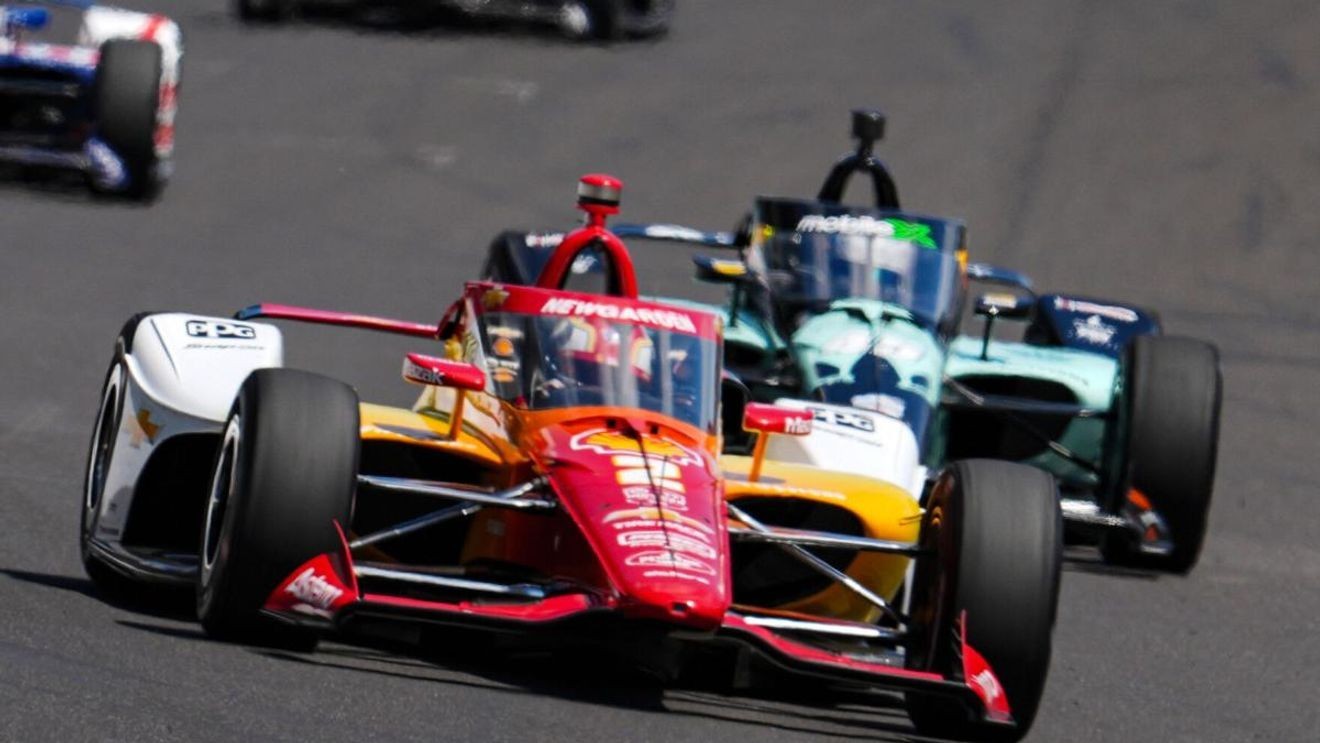
With just six days until the start of the INDYCAR season, preparations are accelerating for one of the most ambitious races in modern motorsports — a first-ever INDYCAR event on the streets of Washington, D.C.
The Indianapolis 500 has long carried the nickname “The Greatest Spectacle in Racing,” but the summer street race set against D.C.’s iconic landmarks could rival that reputation — if organizers can pull it together on a compressed timeline.
RELATED | President Trump announces plans for IndyCar race through streets of DC
A Race Against the Clock
To understand what it takes to convert an urban environment into a professional racing venue, federal planners initially consulted Tony Leno, who has spent more than 22 years helping build the annual INDYCAR street race in St. Petersburg, Florida.
“Our contract here is about 70 days, but we’ve cut that down to a little less than 50,” Leno said. “And that’s after 22 years of doing it in practice. It seems pretty aggressive.”
That timeline, he says, only works because of decades of institutional experience — something D.C. doesn’t yet have.
“I’m hoping there was some behind-the-scenes planning that took place from the conversation last year,” Leno added. “Because it’s a pretty tight time frame to turn a track around.”
What the Public Never Sees
For race fans, the transformation can seem almost magical. For planners, it’s a massive logistical operation involving millions of moving parts.
“You have thousands of pieces, millions of pieces,” Leno explained. “Thousands of concrete barriers that can weigh 10,000 pounds each. On top of those, you have to install the catchment system and fencing.”
Those components don’t just appear overnight.
“They’re trucked in,” he said. “There’s specialized equipment — forklifts, handlers — assembling everything piece by piece. It’s modular, but it’s many, many truckloads of material.”
Safety Comes First
Beyond construction, safety approval is non-negotiable.
“All racing like INDYCAR and Formula 1 is controlled by a sanctioned body,” Leno said. “They have to inspect and approve those catchment systems for the safety of the drivers and the spectators.”
As race week approaches in St. Petersburg, Leno says his biggest variable isn’t construction — it’s weather.
“Rain is our biggest factor here in Florida,” he said. “In hotter seasons, the biggest challenge becomes worker safety. When you’re working in 90- to 97-degree heat, it’s pretty brutal.”
That’s a reality D.C. organizers may face as well, with August heat and humidity adding another layer of complexity.
A Model in Motion: Markham, Ontario
Washington’s race weekend will come just one week after the debut of another brand-new INDYCAR street race — in the city of Markham.
Mayor Frank Scarpitti says excitement in his city has been building for months.
“The Canadian Indy race is a bit of a tradition,” Scarpitti said. “It’s one of the oldest INDYCAR races, followed for generations. Kids have grown up watching this.”
Markham began planning early, even before contracts were finalized.
“We started the conversation back in January (2025),” Scarpitti said. “Once we understood the opportunity, we didn’t let go of it.”
That head start allowed the city to quietly design its 2.1-mile, 12-turn circuit — including a rare double pit lane — and begin construction well ahead of race week.
Streets, Surfaces, and Expectations
Street surface quality is another major concern for any city hosting its first race.
“It depends on the condition of the streets,” Leno said. “City streets have to have drainage, crosswalks, striping — all the things that make them functional every day. Those don’t disappear just because you’re racing.”
In Markham, that has meant removing existing asphalt and replacing it with a higher-grade racing surface, along with modifying curbs and repositioning light standards.
The Most Important Advice for D.C.
When asked what advice he would offer federal and city leaders in Washington, Leno didn’t hesitate.
“Stakeholder engagement. Talk to the community,” he said. “Hotels, restaurants, businesses, condo towers, residents. Explaining what’s happening is the biggest time consumer — and the most important part of my job.”
He emphasized that the disruption is often less than people expect.
“The track is only fully secured for about seven days,” Leno said. “That’s when the real road closures begin.”
As the INDYCAR season gets underway and the countdown continues, the success of D.C.’s race may hinge less on speed — and more on planning, communication, and execution under pressure.