


By: Carolyn Coene
The U.S. Supreme Court upheld laws in West Virginia and Idaho that limit transgender athletes' participation in girls' and women's sports.
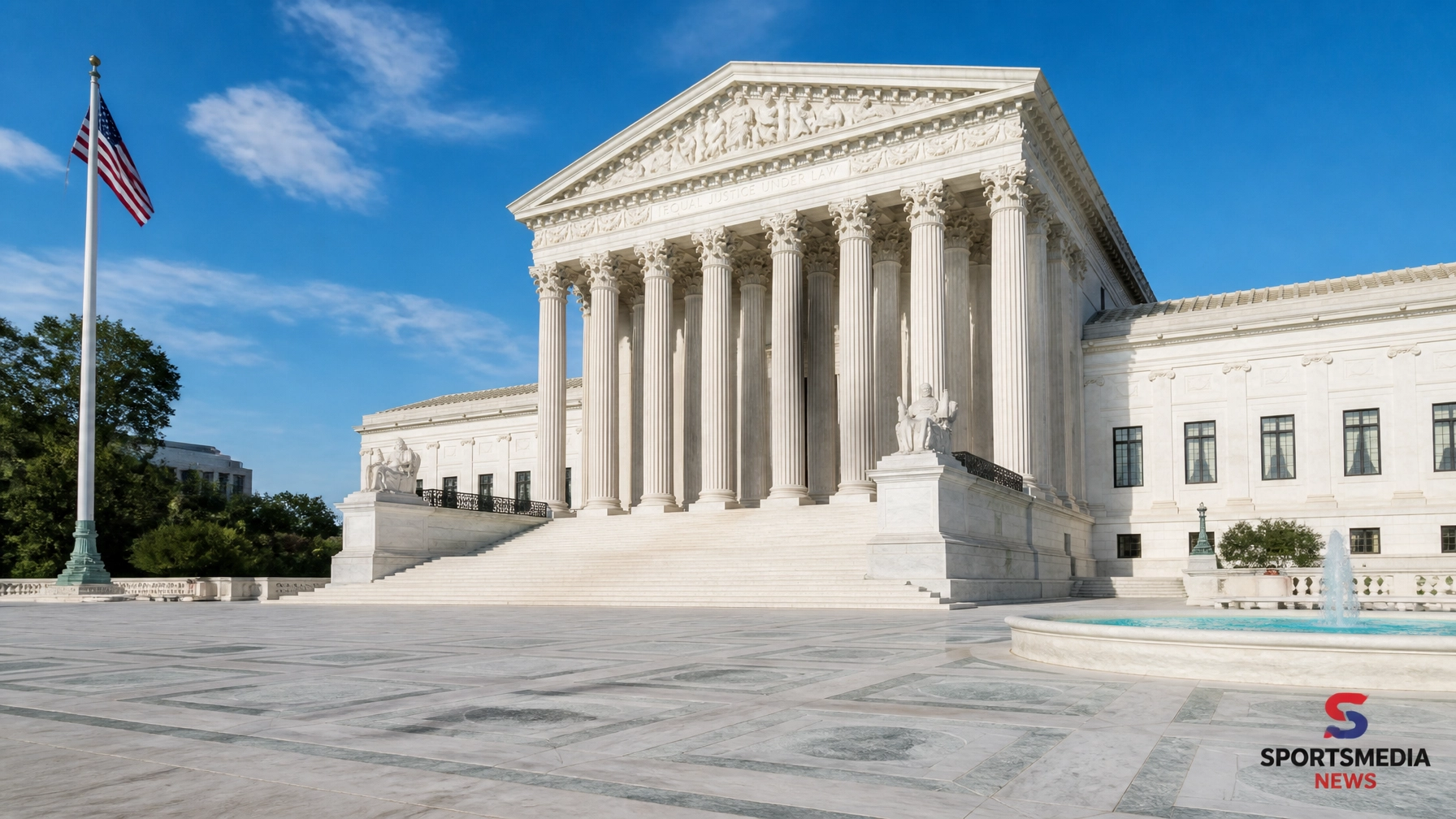
On Tuesday, the U.S. Supreme Court ruled that state laws in West Virginia and Idaho preventing transgender athletes from competing on girls' and women's sports teams are constitutional. The decision, which could influence similar laws across the country, addresses an issue that has been a major focus of President Donald Trump's administration.
In the majority opinion, Justice Brett Kavanaugh said states have the right to preserve girls' and women's sports for biological females. He also emphasized that transgender athletes deserve to be treated with respect.
"No student-athlete on either side of the issue, whether a biological female or transgender, deserves to be ostracized or vilified," Kavanaugh wrote.

The decision leaves restrictions in place in the 27 states that have passed similar laws. It could also encourage other states to pass similar laws. After the ruling, Kristen Waggoner, president of Alliance Defending Freedom, which defended the laws, praised the decision on social media and said states without similar restrictions could be next.
Joshua Block, an attorney with the American Civil Liberties Union who represented the athletes challenging the laws, called the ruling "heartbreaking." However, supporters of transgender rights noted that the decision does not institute a nationwide ban on transgender athletes who compete in girls' and women's sports.
President Donald Trump celebrated the ruling via social media, calling it a "BIG WIN." The Trump administration backed the state laws as part of its efforts to restrict transgender participation in athletics.

The lawsuits argued that the laws violated the Constitution's Equal Protection Clause by treating transgender students differently. Becky Pepper-Jackson, who challenged West Virginia's law after trying to join her middle school's girls' cross-country team at age 11, also argued that the law violated Title IX by denying her equal access to school sports. In a separate opinion, Justice Sonia Sotomayor said Pepper-Jackson should have been allowed to continue challenging the law as unconstitutional.
While transgender people make up a small part of the U.S. population, and even fewer compete in team sports, the issue has become a major political debate. Last year, Trump ordered federal agencies to withhold funding from schools that allow transgender athletes to compete on girls' and women's teams. In recent years, polls have also shown growing public support for requiring athletes to compete based on their sex assigned at birth.
Questions remain unanswered, including how states and athletic organizations will determine an athlete's sex. While sex verification testing has returned at the Olympic level, it remains unclear whether states will use similar methods or who could be subject to verification testing.
source: https://www.nytimes.com/live/2026/06/30/us/supreme-court-trans-athletes