


By Mark Ricci
July 1, 2026
WNBA rivalries have become one of the league’s most compelling storylines because they create stakes that go beyond the scoreboard. These matchups have fueled bigger crowds, louder debates, viral moments, and in some cases real on-court tension that has changed how teams and players are viewed.
Rivalries that shaped the league
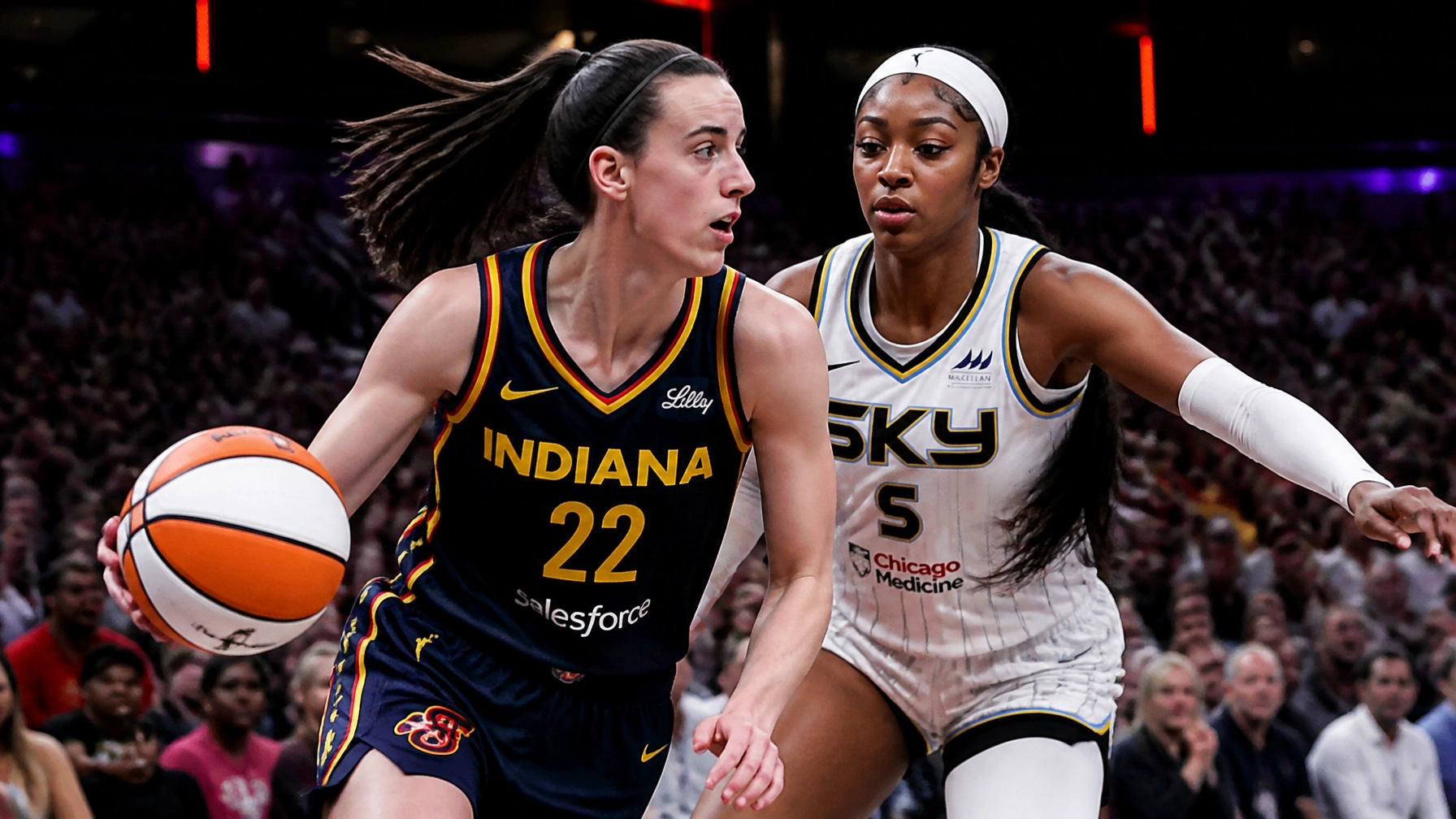
Some of the most famous WNBA rivalries have been built over years of playoff battles and star power. Classic examples include Minnesota Lynx vs. Phoenix Mercury, Seattle Storm vs. Phoenix Mercury, and Las Vegas Aces vs. New York Liberty. More recently, Indiana Fever vs. Chicago Sky has become one of the league’s most talked-about matchups, helped by the college history between Caitlin Clark and Angel Reese.
These rivalries matter because they give the regular season more urgency and the playoffs more edge. They also help tell the league’s story through individual matchups, not just team records. When stars repeatedly face each other, the games tend to carry more emotion and generate more attention.
What these rivalries have caused
Rivalries have caused several visible effects across the WNBA. They have led to stronger fan engagement, bigger television interest, and more intense arena atmospheres. They have also produced confrontations, hard fouls, trash talk, and social-media blowups that keep the league in the public conversation long after the final buzzer.
In some cases, rivalries have even spilled over into controversy about officiating, physicality, and league discipline. The Clark-Reese dynamic, for example, helped drive national interest in women’s basketball but also sparked debate about race, media framing, and how much rivalry the league can handle before it becomes overhyped or distorted. Other rivalries, like those between longtime conference powers, have caused playoff series to become defining moments for entire franchises.
Star matchups and tension
A lot of WNBA rivalries are really star-versus-star stories. Diana Taurasi vs. Sue Bird, Maya Moore vs. Alana Beard, and Alyssa Thomas vs. rival frontcourts all fit that pattern: elite players who repeatedly meet in high-pressure games and push each other to the limit. These are the kinds of matchups that can define eras.
The newer rivalries are often more personal and more visible because of how quickly they spread online. Caitlin Clark vs. Angel Reese has become the clearest example of that trend, with college tension carrying into the WNBA and turning regular-season games into must-watch events. Sophie Cunningham vs. Kahleah Copper is another example of a rivalry that started with a specific playoff moment and then settled into mutual respect.
The larger effect on the league
The biggest impact of WNBA rivalries is that they help the league grow. They give casual fans an easy entry point, they create storylines that media can follow, and they make individual games feel meaningful even outside the playoffs. Rivalries also raise the competitive standard, because players know that every meeting will be watched closely and remembered longer.
At the same time, rivalries can create pressure. When every hard foul or stare-down gets magnified, players and teams can get pulled into narratives they did not fully choose. That is part of why these matchups are so powerful: they make the WNBA feel bigger, but they also make it more emotionally charged.
Why they matter now
Today’s WNBA rivalries are more influential than ever because the league has a larger audience and a louder online ecosystem. A single incident can now become a nationwide discussion, and a player rivalry can help shape the identity of the entire season. That is why the best rivalries in the league do more than entertain — they help define what people remember about the WNBA.
By Mark Ricci
July 1, 2026