


Analyzing the Shift from Competitive Passion to Outright Hostility in the Wake of the Knicks' Finals Run
By Mark Ricci
June 12, 2026
Everyone loves to win, and no one likes to lose, but what happens when sports fans get a bit too competitive about their favorite teams? In the high-stakes environment of the 2026 NBA Finals, the line between passionate support and dangerous aggression has become increasingly blurred.
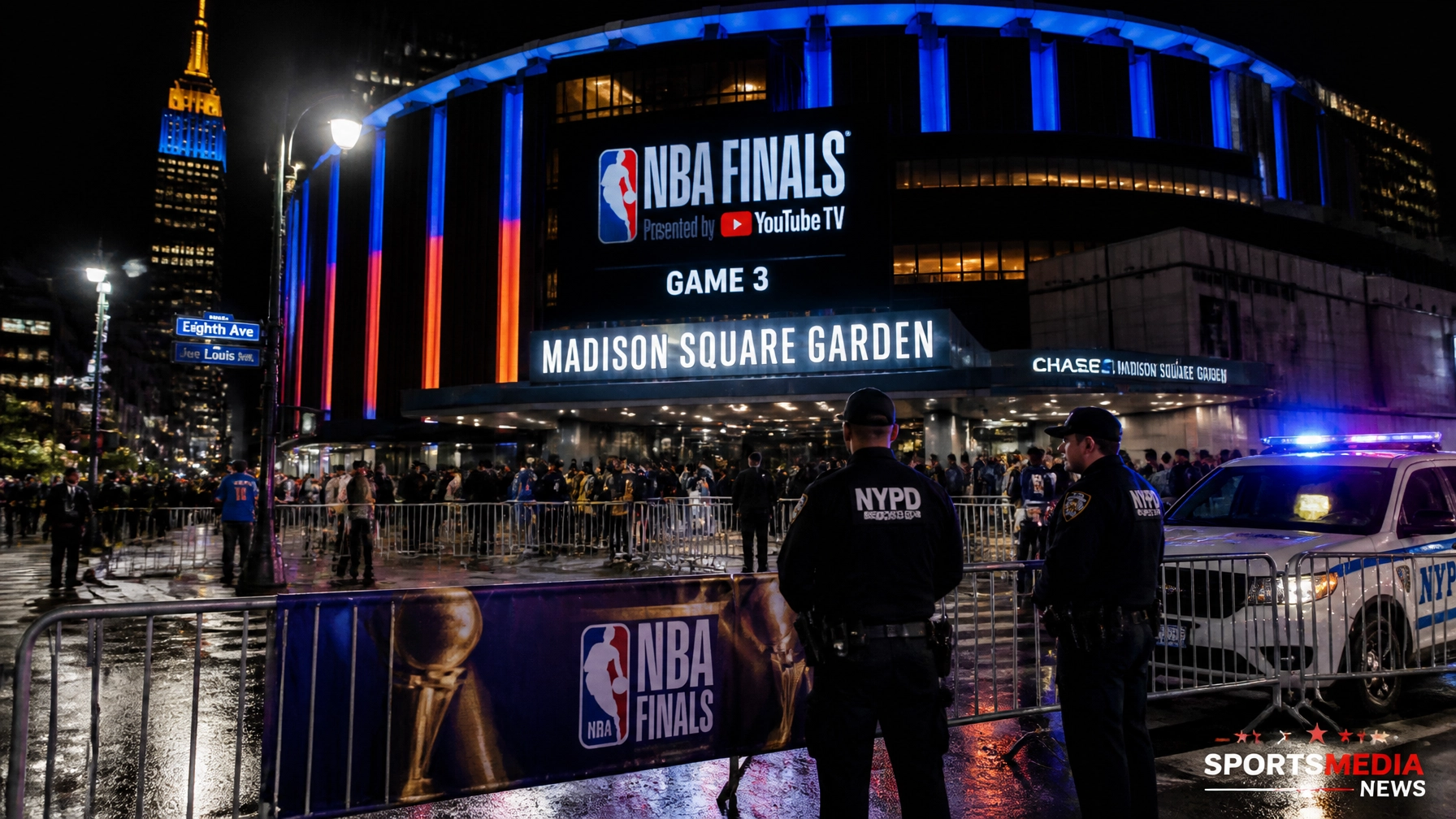
NBA Finals Game 3 marked the beginning of a disturbing shift on Monday, June 8, when, after the San Antonio Spurs defeated the New York Knicks 115–111 at Madison Square Garden, the aftermath spilled into the streets of New York in ugly ways. A 39‑year‑old Spurs fan was surrounded, beaten, and had his jersey ripped off on West 47th Street after the game. Multiple videos circulated on social media showing Spurs fans being chased and harassed, with their jerseys torn or stolen as they left the Midtown area. The imagery is terrifying to watch and reveals some of the darker sides of “competitive” fandom that now pose significant risks to the league’s brand and municipal safety.
The economic liability of uncontrolled fandom
From a sports business perspective, these incidents are more than just isolated altercations; they represent a material risk to franchise valuation and city-team relations. When a "family-friendly" brand like the NBA is associated with street violence, the ripple effects touch everything from insurance premiums to future sponsorship opportunities.
The issue is particularly relevant when considering the massive investments in stadium infrastructure and regional developments currently seen across the global sports landscape.
Why this stands out
There were plenty of peaceful reactions, too. Many Knicks fans vented their frustration and anxiety online, focusing on the team’s performance, coaching decisions, and the series outlook more than on attacking opposing fans. National fans and neutral observers quickly condemned the violent clips that circulated, calling out the attackers and insisting that this behavior doesn’t represent the entire Knicks fanbase.

However, the frequency of these incidents during this specific playoff run suggests a systemic issue. Large watch parties and street gatherings have become a regular part of this Knicks run, and they’ve repeatedly tipped into chaos. After Game 2, celebrations outside Madison Square Garden led to at least 17 arrests and an injured officer as fans climbed poles, blocked traffic, and clashed with police. After Game 3, a Bryant Park watch party ended with 21 people taken into custody. Reports detailed fans fighting, jumping on cars, throwing bottles at officers, and even setting a Spurs shirt on fire.
So when we look at the violence after Game 3, it’s hard to pretend it came out of nowhere. The loss clearly poured fuel on something that was already simmering: Knicks fans who were certain their team would steamroll the Spurs suddenly had to swallow a home loss, and some of them chose to unload that frustration on Spurs fans, the NYPD, and even fellow Knicks supporters who tried to intervene.
Security as a branding pillar
The commercial impact of fan behavior is often overlooked until it affects the bottom line. Security measures are no longer just operational costs; they are essential to maintaining lucrative sponsorship deals, where brands pay for positive association.
The NBA has already begun responding. Ahead of Game 4, New York authorities significantly stepped up security measures, adding extra officers, physical barriers, and stricter crowd management plans around designated viewing areas. This "arms race" between fan volatility and security enforcement adds millions to the operational costs of a Finals run.
When reactions stop being about the game
Reactions always come with wins and losses. If you win, you get happy reactions; if you lose, you get unhappy ones. Simple enough. But real life keeps proving that this idea doesn’t always hold, because there are times when “competitiveness” mutates into something closer to outright hatred of the other team and its fans.

Game 4 brought the Knicks’ epic 29‑point comeback and a return to joyful, almost surreal celebration for most of the fanbase. Yet reports and videos from the broader Finals stretch show that some Knicks fans were still crossing the line away from the arena: Spurs fans being harassed, jerseys torn off, people chased in the streets, and crowds needing police escorts just to move safely through Midtown.
Those kinds of actions aren’t just “passion” or “we care more.” They’re signs that, for a subset of fans, this has become less about willing their own team to win and more about denying the very presence of the other side. This mindset is often fueled by the psychological motivation of "Identity Fusion," where the team's success is indistinguishable from the fan's personal self-worth. When that self-worth is threatened by a loss, the response shifts from sports analysis to tribal defense.
The line between competitiveness and hatred
Competitiveness is the strong desire to be more successful than others, to prove you’re as good as or better than them. Hatred is intense dislike or ill will. When you look at the reactions of some Knicks fans from Game 2 through Game 4, it starts to feel like they’re crossing that line from competitive fire into something darker.
It’s unsettling how both definitions seem to apply at once. Fans want to be superior, to be the only ones whose voices and colors dominate the space. That’s how you end up with people ripping Spurs jerseys off another fan, trying to destroy them, or chasing San Antonio supporters down the street.
They don’t just dislike the opposing team; they can’t tolerate the reminder that someone else came into “their” building and walked away with a win. To manage this, teams are increasingly utilizing advanced surveillance and flight restrictions to monitor large-scale movements around the venue. They try to erase those reminders: jerseys, chants, even the physical presence of visiting fans. If an NYPD escort is required for visiting fans to leave a building safely, it is no longer a "sports rivalry"; it is a public safety crisis.
What happens now
There’s no way to perfectly predict what the aftermath of Game 5 will look like. What we do know is that both Knicks and Spurs fans will be excited, anxious, and fully locked in, because this is a defining game for both teams. Either the Knicks close it out and finally claim a long‑awaited title, or the Spurs drag the series back to life and force it to continue.

We also know there will be big reactions: on the court, in the stands, and in the streets. That part is guaranteed. What isn’t guaranteed is how far those reactions go. The hope – for New York, for San Antonio, and for the league – is that passion stays passion, and that the city doesn’t have to relive another night where a game ends and the streets turn into another scene of chaos.
At some point, fans have to decide whether they’re just cheering for their team or whether they’re letting the game become an excuse to turn on everyone around them. As the 2026 Finals conclude, the business of sports will be watching closely to see if the NBA can reclaim its streets from the darker impulses of its most "passionate" supporters.
Mark Ricci is a Senior sports business analyst for Sportsmedia News, specializing in NBA market trends, franchise valuations, and the intersection of professional sports and municipal economics. He has covered the NBA Finals and is a leading voice on the fiscal impact of championship runs.