


The aftermath of Game 4 of the 2026 NBA Finals was defined less by the final score and more by the historic comeback that shattered expectations and reshaped the entire series.
By Mark Ricci | June 11, 2026
The New York Knicks’ 107-106 victory over the San Antonio Spurs on Wednesday night erased a 29-point deficit- the largest in NBA Finals history- and thrust New York to a 3-1 series lead. The win leaves the Knicks just one victory away from their first championship since 1973, a milestone that has shifted the league's financial and cultural gravity toward Manhattan.
The comeback that defined the night
The game began as a masterclass in modern basketball efficiency by the San Antonio Spurs. Led by the towering presence of Victor Wembanyama, the Spurs scored 41 points in the first quarter alone, building what seemed to be an insurmountable 76-49 halftime lead. The arena atmosphere in Madison Square Garden at the break was one of stunned silence, as San Antonio’s transition game and perimeter shooting appeared to have solved the Knicks' defensive schemes.
However, the second half unfolded in a way that defied statistical probability. The Spurs’ offense, which had been a well-oiled machine, stalled significantly, scoring only 30 points across the final two quarters. New York’s defensive intensity, described by some as an "arms race" of physicality, slowly wore down the younger Spurs roster.

The signature moment arrived with just 1.2 seconds remaining on the clock. Knicks guard Jalen Brunson, who led the team with 36 points, launched a long three-pointer that rattled off the rim. Amidst a forest of limbs, OG Anunoby secured a tip-in that hit the glass and dropped as the buzzer sounded. Anunoby finished with 33 points, but it was his poise in the final seconds that secured his place in New York lore.
Seeking legitimacy
For the Knicks, this victory is about more than just a 3-1 lead; it is about the legitimacy of a rebuild decades in the making. The business implications of a Knicks championship are staggering. According to recent reports on sports sponsorship market trends, a title run for a major market team like New York can increase regional sports network valuations by as much as 15% annually.
Victor Wembanyama, who finished with 24 points and 12 rebounds for the Spurs, expressed the frustration felt by the San Antonio locker room.
Immediate reactions
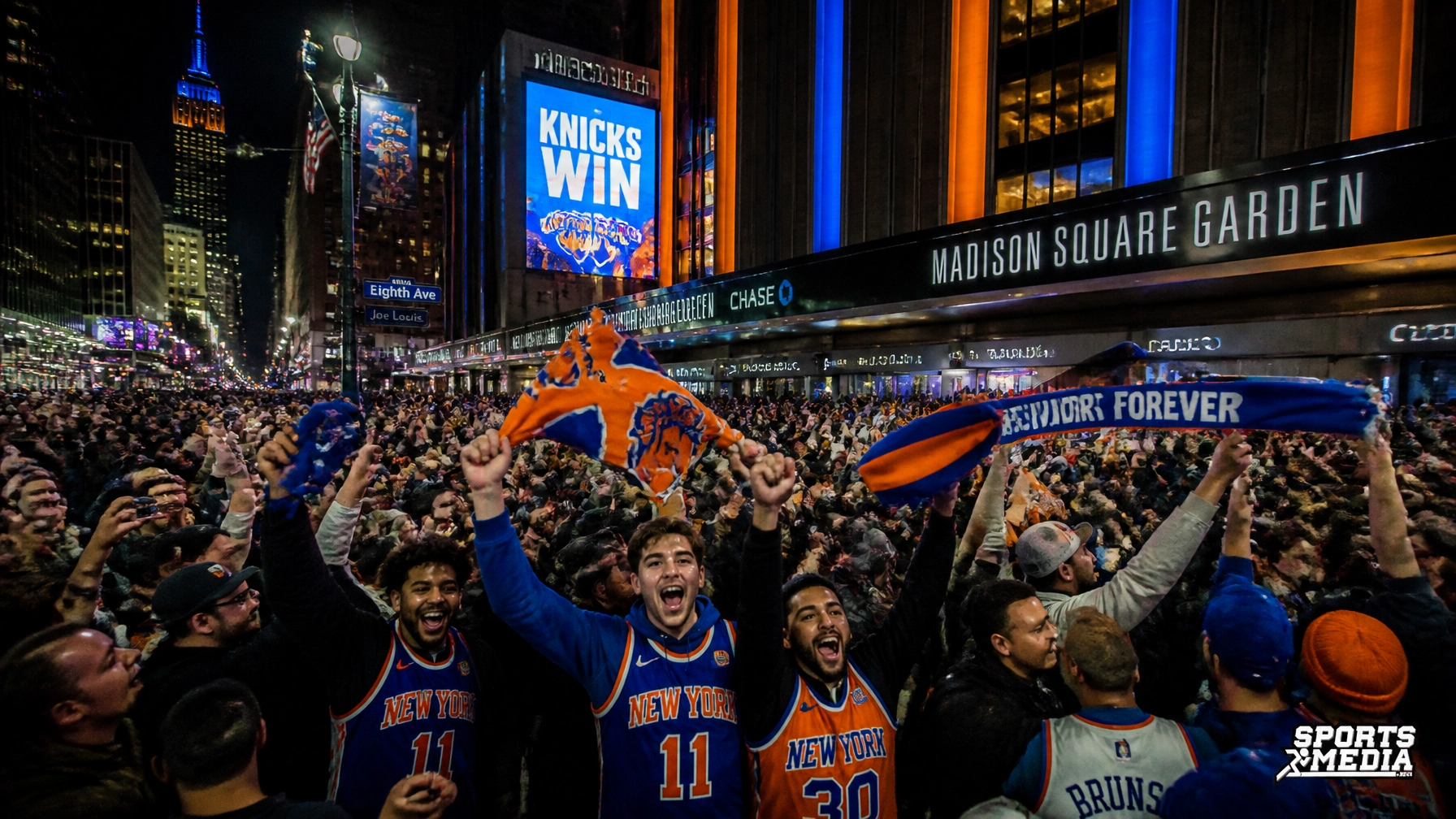
The victory sparked explosive celebrations in New York, where fans flooded the streets around Madison Square Garden. The comeback was immediately labeled one of the most improbable in basketball history, surpassing the 2008 Boston Celtics' 24-point rally against the Lakers.

In San Antonio, the aftermath was defined by disbelief. The Spurs had built a cushion that should have been secure, yet they failed to close out the game when the pressure mounted. The collapsed second-half performance became the focal point of post-game analysis, with many questioning whether the young roster simply ran out of answers against New York’s relentless "grit and grind" pressure.
Behavior after the game
Celebrations in New York were intense. Crowds gathered near the arena after the game, waving Knicks jerseys and celebrating on street corners from 7th Avenue to Broadway. The energy was electric, and while the majority of celebrations were peaceful, the scale of the gathering required significant municipal coordination.
Police presence increased as fans continued to gather long after the game ended. New York City officials managed crowd control carefully, especially with the logistical challenges of hosting a championship-level event in the heart of Midtown. The city is already preparing for a potential parade, though officials remain tight-lipped until the series is officially decided.
For San Antonio, the mood was somber. Spurs fans left the Frost Bank Center: where thousands had gathered for a watch party: quietly, many expressing frustration over the collapse. The emotional toll was visible on the faces of the fans and players alike.

The series shifts
The loss puts the Spurs in a must-win situation for Game 5 on Saturday, June 13, at Frost Bank Center. New York now holds a commanding 3-1 lead, a position from which only one team in NBA Finals history: the 2016 Cleveland Cavaliers: has ever successfully recovered.
The pressure has shifted sharply onto San Antonio. If they cannot respond on their home court, they face the reality of watching the Knicks celebrate a title on their floor. For the Knicks, the 29-point comeback has made the possibility of a title feel closer than ever. What began as a desperate fight to avoid a 2-2 split has turned into a series that now looks like it could end in a dominant New York victory.
The secondary ticket market for Game 5 has already seen a 40% surge in prices as Knicks fans prepare to travel to Texas to witness potential history. This surge mirrors the sponsorship "arms race" seen in other high-stakes sports sectors, as fans scramble for a piece of the historic moment.
Lasting impacts
Game 4 will be remembered as a defining moment in the series, not just because of the narrow final score but because of the scale of the comeback. It will be replayed, analyzed, and celebrated as one of the most dramatic Finals games ever played.
For the Knicks, the night became a turning point that could define the franchise’s future for the next decade. For the Spurs, it became a reminder of the unforgiving nature of the NBA Finals. And for basketball history, Game 4 will stand as the largest comeback in NBA Finals history, a game that will be talked about for decades to come.

Mark Ricci is a veteran sports business analyst for Sportsmedia News, specializing in NBA market trends, franchise valuations, and the intersection of professional sports and municipal economics. He has covered the NBA Finals and is a leading voice on the fiscal impact of championship runs.