


By: Carolyn Coene
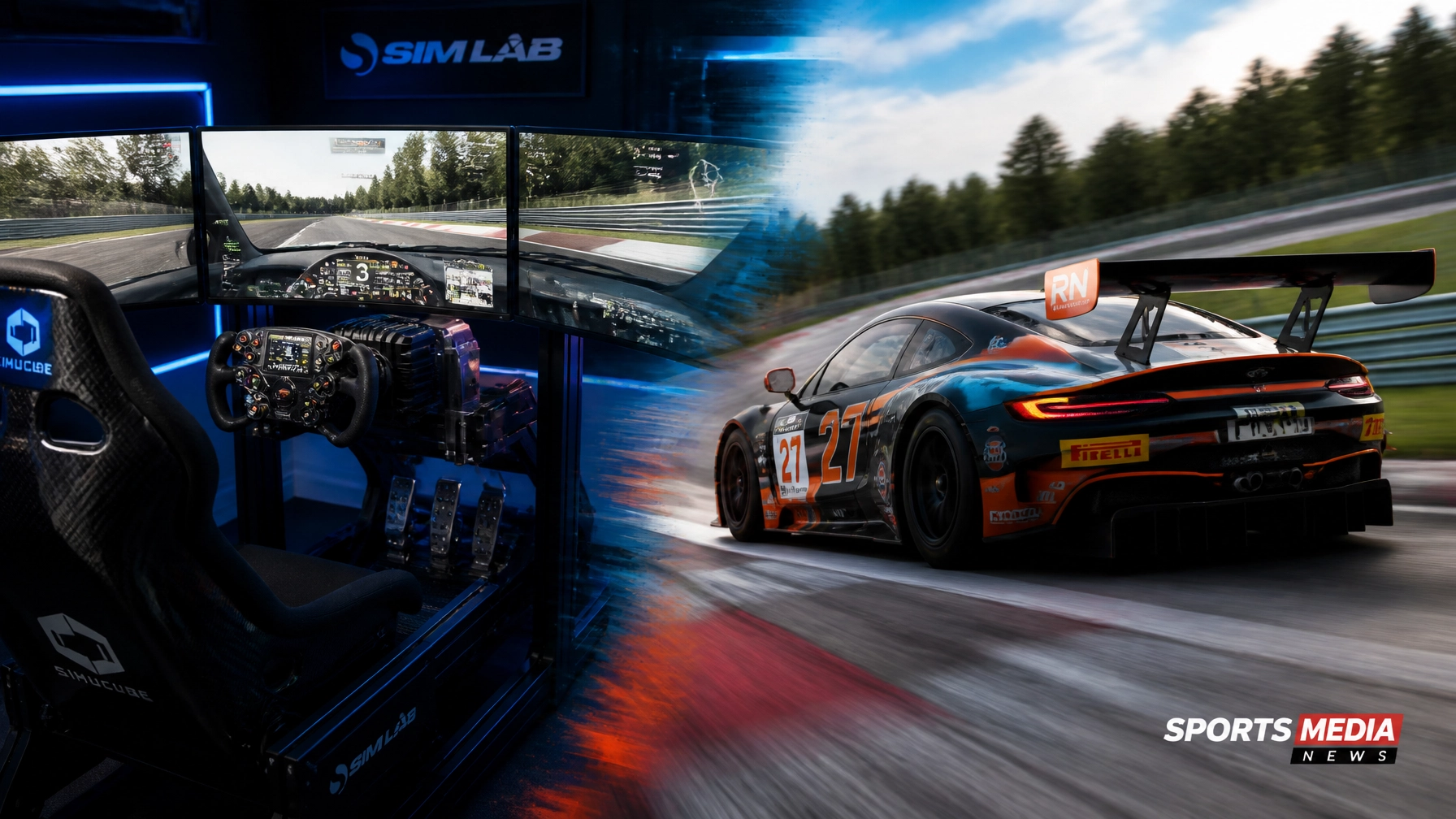
Esports racing has grown into a legitimate pathway into motorsports, with top sim racers moving into real-world racing opportunities through performance, visibility, and sponsorship support. What used to be considered a hobby has become a talent pipeline shaping the next generation of drivers.
What is Esports?

In the article, What is eSports and Why Do People Watch It?, Professors Juho Hamari and Max Sjöblom define esports as “competitive (pro and amateur) video gaming that is often coordinated by different leagues, ladders, and tournaments, and where players customarily belong to teams or other ‘sporting' organizations which are sponsored by various business organizations.” The key difference between esports and traditional sports is where the action takes place. Traditional sports are decided through physical, real-world competition, even when technology plays a supporting role. Esports, by contrast, are decided entirely in virtual environments.
Platforms like iRacing, F1 Esports, and other competitive simulation leagues are now closely followed by motorsport teams looking for emerging talent. Drivers who perform well in virtual racing can attract sponsorships, join development programs, and, in some cases, transition into real-world racing series. This shift is changing how talent is identified and how young drivers build careers, especially as more digital branding and NIL-style opportunities arise.
The rise of competitive sim racing

Unlike casual gaming, serious esports racing uses realistic physics models, laser-scanned tracks, and standardized competition rules.
Events such as the F1 Esports Series bring together some of the fastest sim racers in the world. Many competitors train for hours a day using high-end equipment designed to replicate real driving conditions as closely as possible. While it still takes place in a virtual environment, the level of preparation, consistency, and skill required is extremely high.
These competitions are no longer seen as just gaming events. They are followed by motorsport organizations, sponsors, and racing teams looking for highly skilled drivers who have the ability to perform under pressure.
From virtual performance to real opportunities

One of the biggest changes in modern motorsports is how talent is discovered. In the past, drivers typically advanced through karting and junior racing categories, which often required significant financial backing. While that traditional path still exists, esports has created another way to get into the industry.
Drivers who perform well in simulation racing can attract attention from professional teams, driver development programs, and sponsors. In some cases, strong esports performance has led to real-world racing opportunities or participation in junior racing series supported by motorsport organizations.
This shift is changing how young drivers build careers. Performance is still essential, but visibility, consistency in digital competition, and the ability to build a personal brand are becoming just as important.
How teams use sim racing talent

Motorsport teams are paying closer attention to sim racing than ever before. Many professional racing organizations now include simulator programs as part of their driver development systems. These simulators are used not only for training current drivers but also for evaluating potential new talent.
Teams can assess how drivers perform across different circuits, weather conditions, and race scenarios without needing real track time. While simulators don’t fully recreate the physical demands of real racing, like G-forces or endurance, they’re still effective for measuring consistency, reaction time, and decision-making.
Because of this, sim racing has become a valuable scouting tool. It allows teams to identify drivers early on in their careers, including those who may not have had access to traditional motorsport pathways.
The role of NIL and digital branding

Alongside performance, digital presence has become an important factor in motorsport career development. NIL (Name, Image, and Likeness) opportunities allow athletes and drivers to monetize their personal brand through sponsorships, content creation, and engagement.
In esports racing, this is especially pertinent. Many sim racers build audiences through streaming platforms, social media, and online competitions. These audiences can translate into sponsorship value, even before a driver reaches racing in real time.
As a result, success in modern motorsports is no longer based only on results on track or in simulation. It also includes visibility, engagement, and the ability to connect with fans and sponsors in digital areas.
What this means for motorsports
Esports racing is reshaping how motorsport talent is developed and discovered. What once started as a gaming community has evolved into a structured competitive system that connects directly to real-world racing opportunities.
At the same time, the rise of NIL opportunities and online branding means that drivers are now evaluated on more than just performance: they are also evaluated on visibility and engagement.
As simulation technology and esports continue to grow, they are likely to play an even bigger role in shaping how the next generation enters motorsports. For more industry analysis and updates, visit our articles page or learn more about us.