


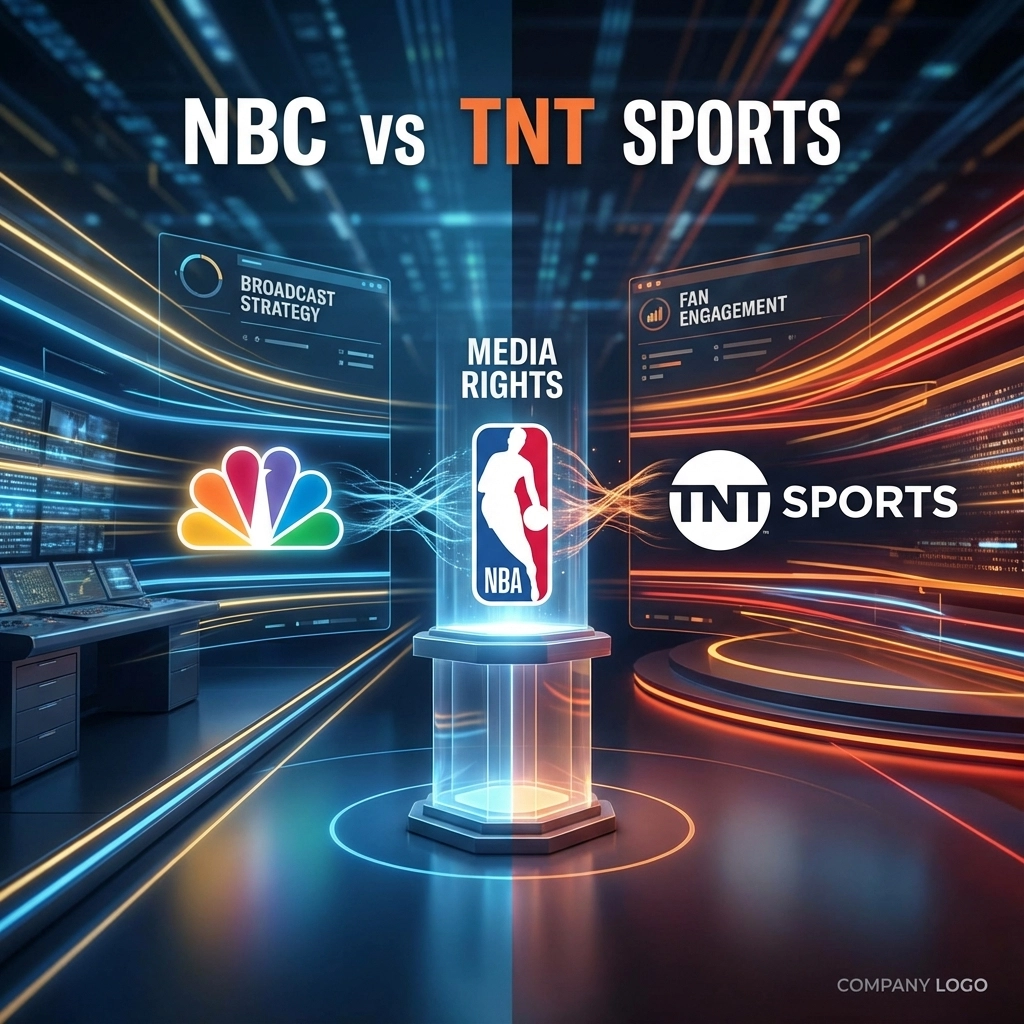
The battle for NBA media dominance is over, and the results reveal how strategic branding identity can reshape an entire industry overnight.
The dust has settled on one of the most contentious media rights battles in sports history, and NBC has emerged victorious in reclaiming its position as a premier NBA broadcaster after a 23-year absence. This wasn't just about money: though the $77 billion, 11-year deal certainly made headlines: it was about how two media giants positioned their brands for the future of sports entertainment.
The Final Score: NBC's Triumphant Return
NBC successfully secured a $2.5 billion annual package as part of the NBA's restructured media landscape, marking a dramatic return to basketball broadcasting. The network's strategy of positioning itself as a premium, multi-platform broadcaster paid dividends, earning them marquee coverage including opening night and the All-Star Game.
"NBC's return to the NBA represents more than just acquiring content: it's about reclaiming their identity as a destination for premium sports programming," said media analyst Sarah Chen from Northwestern University's Kellogg School of Management.
Meanwhile, Warner Bros. Discovery's TNT Sports lost its primary broadcasting rights entirely, ending decades of NBA coverage. However, the network's strategic maneuvering to preserve "Inside the NBA" through a licensing agreement demonstrates how branding innovation can create value even in defeat.
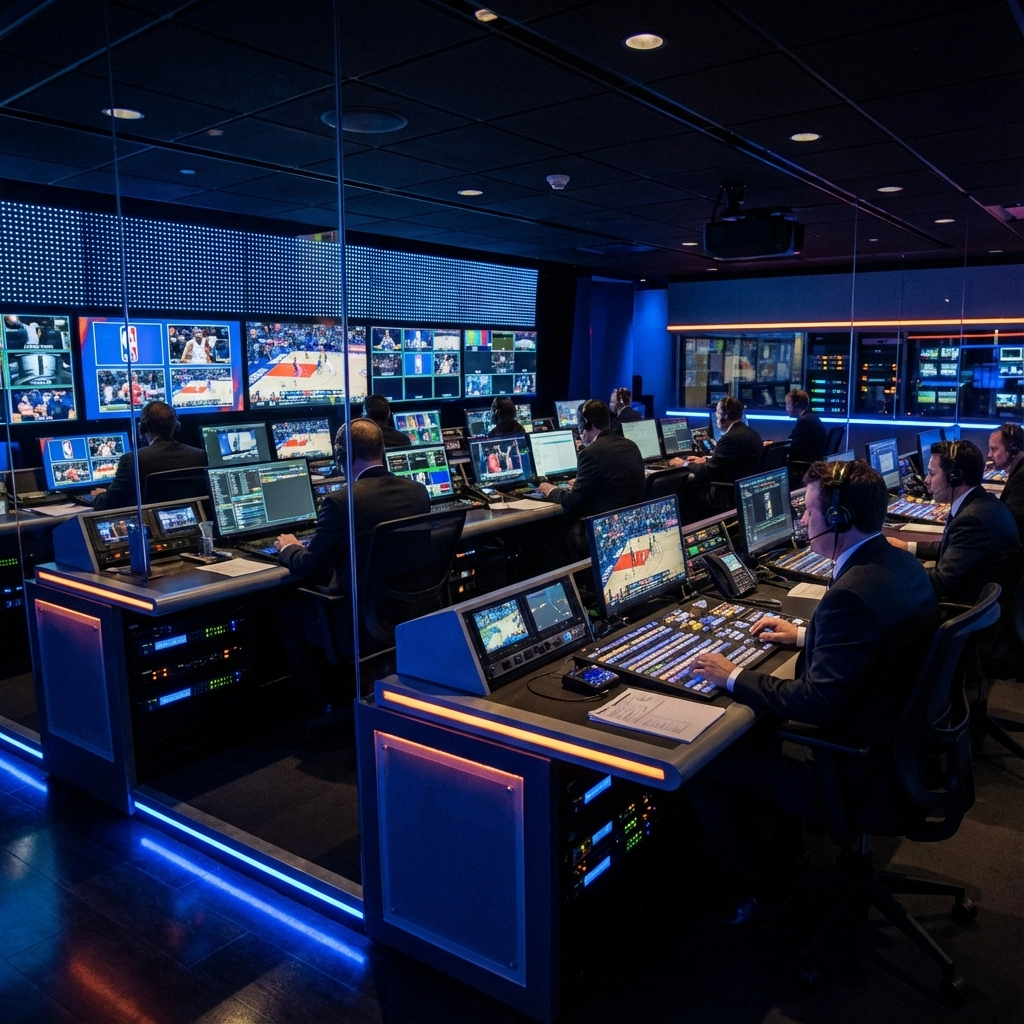
TNT's Last Stand: Preserving the Crown Jewel
Despite losing live game rights, TNT Sports executed a masterful brand preservation strategy by negotiating to keep "Inside the NBA" in production. The iconic studio show will continue under TNT's creative control while airing on ESPN and ABC: a unprecedented licensing arrangement that maintains TNT's association with NBA culture.
"The 'Inside the NBA' licensing deal is brilliant brand management," explained sports marketing professor Michael Rodriguez from Georgetown University. "TNT couldn't win the war, but they saved the most valuable piece of their NBA identity."
This strategic move allows TNT to maintain its connection to NBA content creation while transitioning its brand focus to other sports and entertainment properties. The network's willingness to license rather than lose the show entirely demonstrates sophisticated brand portfolio management.
NBC's Strategic Brand Positioning
NBC's successful bid wasn't just about financial capacity: it was about demonstrating a clear vision for NBA coverage across multiple platforms. The network leveraged its relationship with Peacock streaming service and NBC Universal's broader entertainment ecosystem to position itself as more than just a traditional broadcaster.
Industry executives noted that NBC's presentation emphasized integration between traditional television and digital platforms, appealing to the NBA's desire to reach younger, streaming-native audiences. This multi-platform approach represented a significant evolution in how networks position their brand identity for major sports rights acquisitions.
"NBC understood that winning NBA rights in 2025 required more than just cable television distribution," said former ESPN executive David Martinez. "They positioned themselves as a 360-degree media partner."

The Legal Chess Match Behind Brand Strategy
The competition intensified when Warner Bros. Discovery challenged the NBA's decision to accept Amazon's streaming offer, arguing their matching rights extended to digital distribution. This legal battle revealed how branding strategy intersects with contract interpretation in modern media rights negotiations.
The NBA successfully argued that WBD's matching rights applied specifically to cable television distribution, not streaming services, and that WBD's proposed match constituted a counteroffer rather than a true match. This distinction proved crucial in shaping the final media rights structure.
"The legal dispute highlighted how traditional media companies must adapt their brand positioning to include streaming-first strategies," noted sports law attorney Jennifer Walsh from Columbia Law School.
The settlement reached in November 2024 allowed both parties to preserve face: WBD maintained some NBA content through the licensing deal while the NBA moved forward with its preferred broadcast partners.
Innovation Through Brand Identity Crisis
TNT's loss of NBA rights forced the network to confront a fundamental brand identity crisis. For decades, TNT had been synonymous with NBA coverage, particularly through its studio programming and playoff coverage. Losing this association required immediate strategic brand repositioning.
The network's decision to pivot toward expanded MLB coverage and original programming represents a calculated brand diversification strategy. Rather than attempting to replicate their NBA success in other sports, TNT is positioning itself as a premium entertainment and sports hybrid network.
"TNT's brand evolution post-NBA shows how media companies can turn identity crises into innovation opportunities," observed brand strategist Lisa Park from the Marketing Science Institute.

NBC's Cross-Platform Branding Revolution
NBC's winning strategy centered on demonstrating how their brand identity could enhance the NBA's own marketing objectives. The network proposed integrated coverage that would feature NBA content across NBC broadcast television, MSNBC for business coverage of league economics, and Peacock for streaming-exclusive content.
This holistic approach convinced NBA leadership that NBC understood modern sports media branding requires seamless integration across multiple touchpoints and audience segments.
"NBC didn't just bid for NBA games: they proposed a comprehensive brand partnership that included news coverage, documentary content, and digital engagement strategies," said media consultant Robert Kim from Deloitte.
The network's emphasis on cross-promotional opportunities between NBA content and NBC's entertainment programming created additional value propositions that traditional sports-only networks couldn't match.
The Streaming Wars Influence
Amazon's inclusion in the final media rights package demonstrated how streaming platforms are reshaping traditional branding strategies in sports media. Amazon's brand positioning as a technology-forward, customer-centric platform aligned with the NBA's goals for global expansion and fan engagement innovation.
This three-way partnership between ESPN, NBC, and Amazon represents a new model for sports media rights that prioritizes brand complementarity over direct competition. Each partner brings distinct brand advantages: ESPN's sports authority, NBC's broadcast reach, and Amazon's technological innovation.
"The NBA's decision to partner with three distinct brand identities rather than consolidating with fewer partners shows how modern sports properties are thinking about audience segmentation," explained sports economist Dr. Patricia Williams from Stanford Graduate School of Business.
Long-term Brand Implications
The resolution of the NBC-TNT competition establishes precedents that will influence future media rights negotiations across all major sports leagues. Networks must now demonstrate not just financial capacity but strategic brand alignment with league objectives.
For NBC, successfully returning to NBA coverage after 23 years validates their strategy of maintaining broad-based entertainment programming while selectively investing in premium sports content. The network's brand identity as a destination for major events: from the Olympics to Sunday Night Football: now includes NBA basketball.
TNT's transition away from NBA coverage forces the network to prove its brand value extends beyond basketball. The success of their licensing arrangement for "Inside the NBA" provides a template for how traditional broadcasters can maintain content relationships even when losing primary distribution rights.
The 2025-26 NBA season, now underway with NBC's coverage, will serve as the first test of whether these branding strategies translate into audience engagement and commercial success. Early indicators suggest that NBC's integrated approach is resonating with both advertisers and viewers, while TNT's pivot strategy maintains the network's relevance in sports media conversations.
Ready to stay ahead of the next major sports media shakeup? Subscribe to our newsletter for breaking analysis on how branding strategy drives billion-dollar deals in professional sports.