


Sports organizations across the globe are racing to implement artificial intelligence solutions that transform how fans interact with their favorite teams and athletes. With 85% of sports fans seeing value in AI integration and 90% of Gen Z and millennials consuming sports content primarily through social media clips, the pressure to innovate has never been greater.
The shift represents more than technological advancement: it signals a fundamental change in fan expectations. Modern audiences demand personalized, interactive experiences that extend far beyond traditional broadcast coverage.
Personalized Content Creation Drives Engagement Surge
The Cleveland Cavaliers' partnership with WSC Sports demonstrates the immediate impact of AI-powered personalization. The team achieved an 83% jump in app downloads while generating over 16,000 highlight clips in a single season. Their system automatically compiles content around individual players, delivering exactly what fans want: whether it's every Donovan Mitchell dunk or every Jarrett Allen block.
"Fans are shifting from passive spectators to active participants," explains one industry analyst. "They want content that speaks directly to their preferences, not generic highlights that could apply to any viewer."
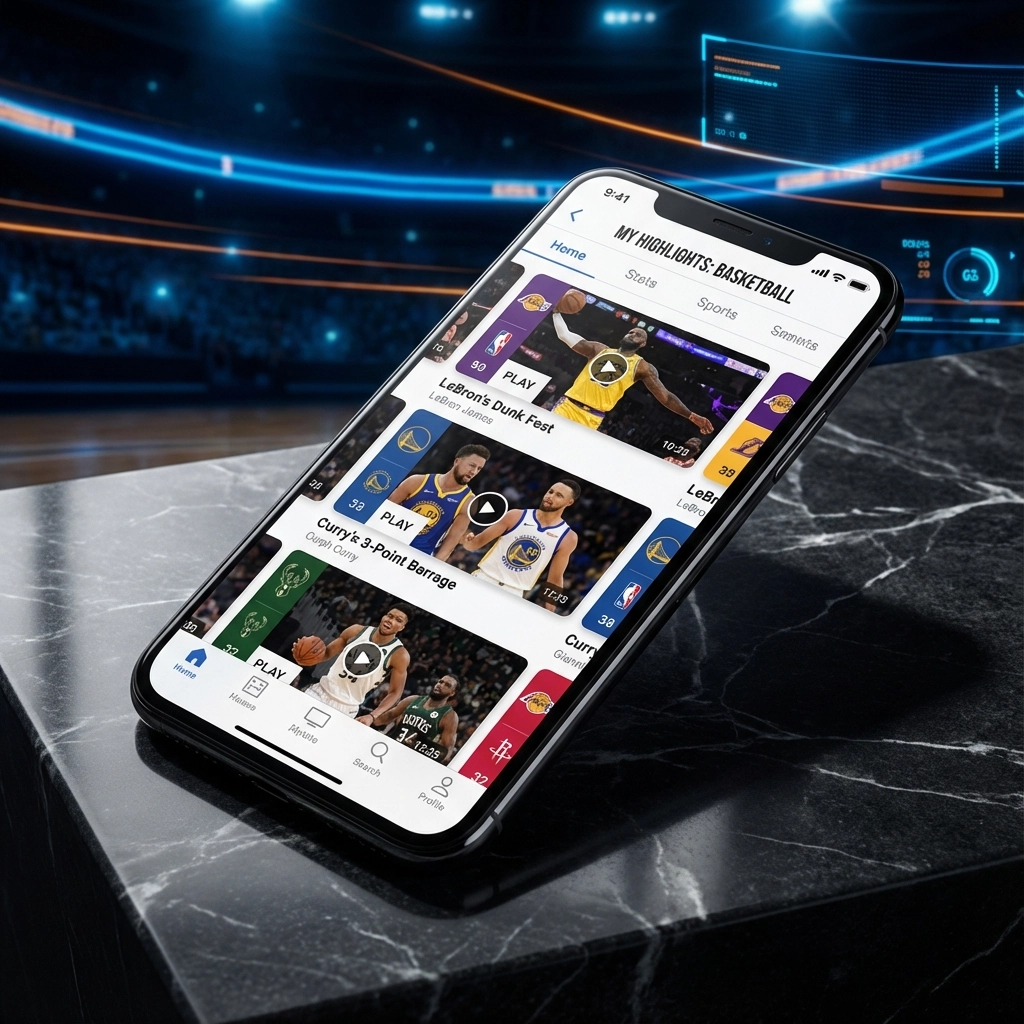
A major league's mobile app introduction of custom highlight reels and personalized content saw engagement triple and video consumption surge by 700%. This dramatic increase reflects fan appetite for tailored experiences over one-size-fits-all broadcasting approaches.
Real-Time Analytics Transform Game Consumption
AI delivers instant access to personalized stats, replays, and real-time insights that enhance game excitement. During NBA Playoffs, Sportradar processed hundreds of thousands of data points live to calculate win probabilities and generate game forecasts for fans.
Wimbledon's 35-year partnership with IBM showcases sophisticated AI integration through their "Match Chat" feature: an AI assistant that answers fan questions during matches: and "Likelihood to Win" calculations that provide real-time win percentages.
The tennis tournament's innovation strategy demonstrates how established sporting events can leverage AI to maintain relevance with younger demographics while preserving traditional appeal.
Stadium Experience Enhancement Through Smart Technology
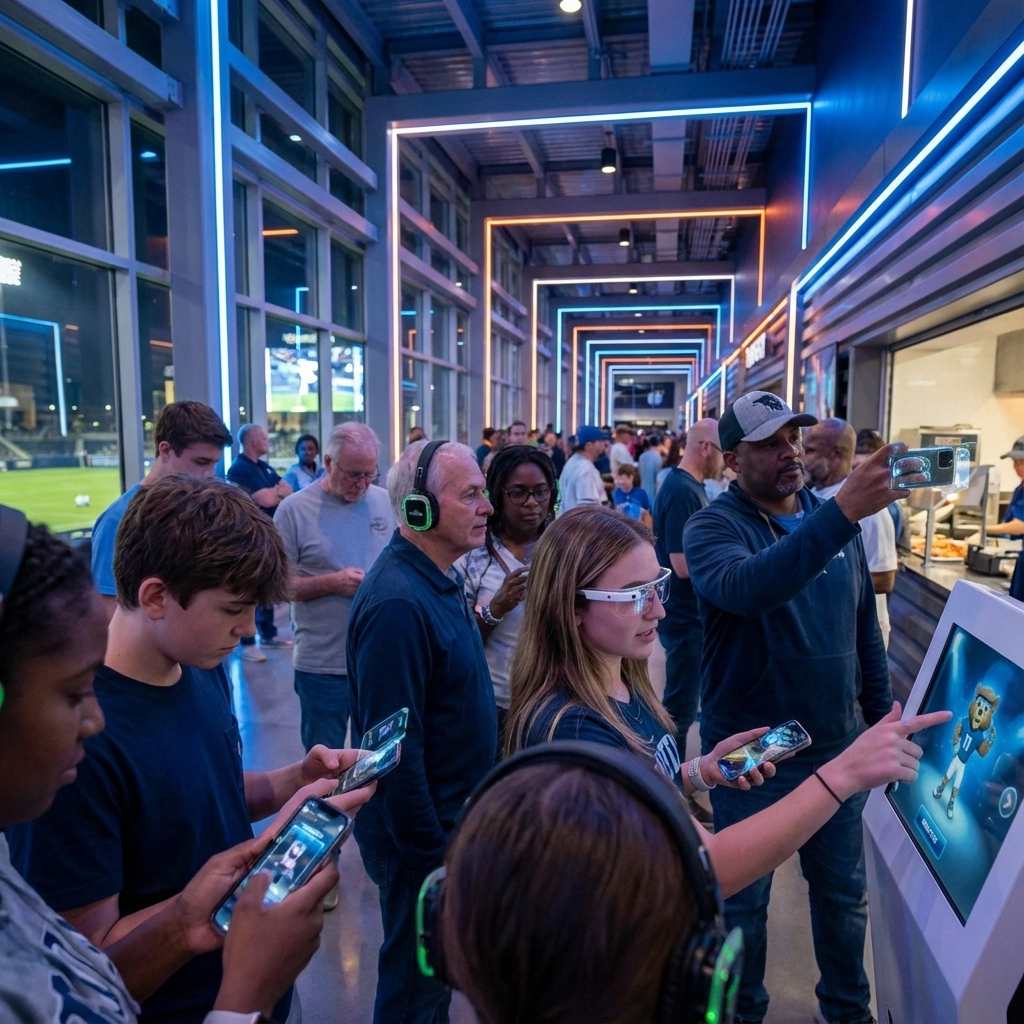
Sports organizations are revolutionizing physical attendance through AI-driven innovations that extend far beyond the playing field. AI-enhanced seat selection helps fans find optimal viewing locations, while interactive stadium displays increase involvement during games.
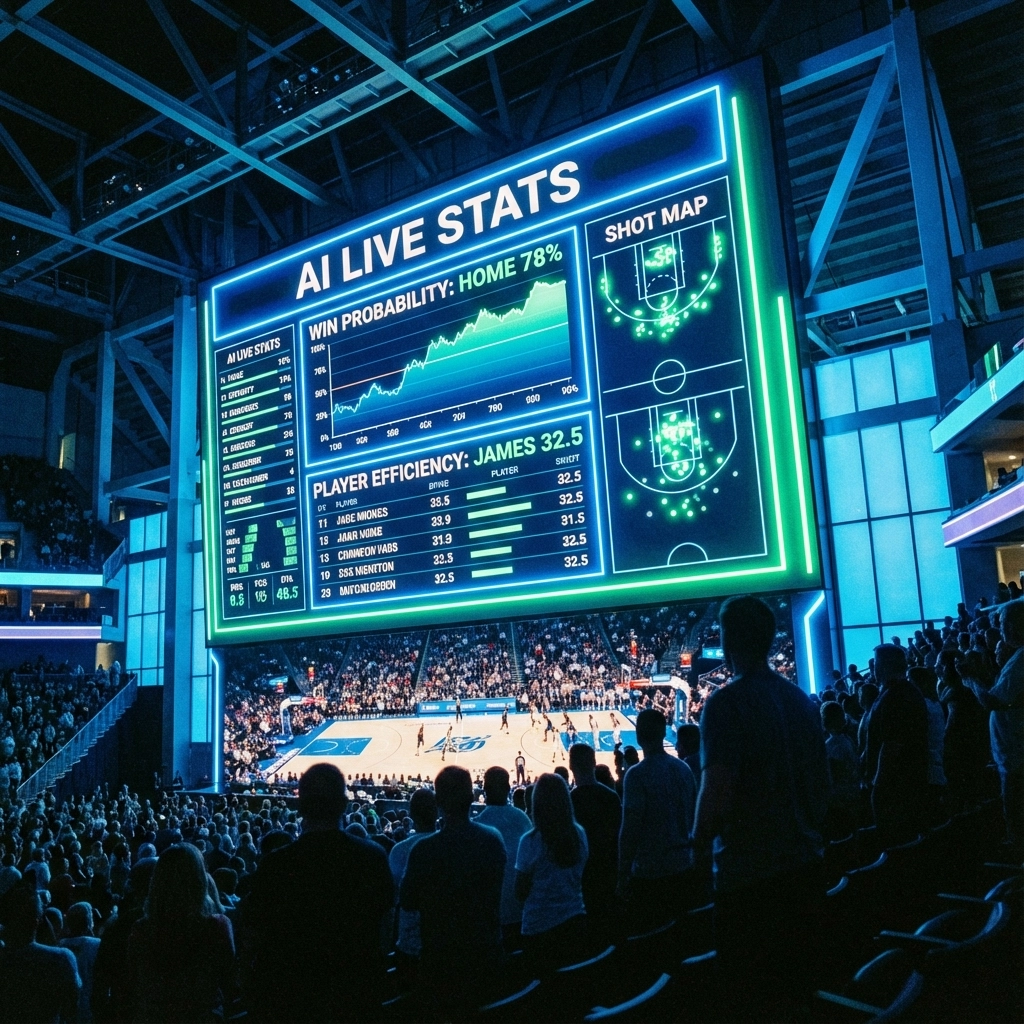
The English Premier League and MLS teams like Sporting KC utilize AI-powered cameras and TRACAB tracking systems, allowing vast amounts of additional information to be shared with fans in real-time. Biometric entry systems streamline stadium access, reducing wait times and improving overall game-day experiences.
These technological implementations address a critical challenge: maintaining strong in-person attendance while competing against increasingly sophisticated home viewing options.
Breaking Down Accessibility Barriers
AI removes linguistic, sensory, and cognitive barriers to sports participation through automatic commentary translation into multiple languages and enhanced accessibility features for fans with different needs. This inclusivity expansion represents a significant market opportunity as sports organizations seek to build global audiences.
The technology enables real-time language barrier removal, allowing international fans to engage with content in their preferred languages without waiting for translated broadcasts or summaries.
Social Media Amplification Reaches Critical Mass
Over 90% of Gen Z and millennials consume sports content on social media, primarily through clips and highlights. AI supports this consumption pattern through automated generation and tailoring of content for quick publication, extending engagement beyond stadiums through optimized social distribution.
Real-time highlight clip generation reaches fans while games are ongoing, capitalizing on immediate emotional reactions and social sharing behaviors. This approach recognizes that modern sports consumption extends far beyond live viewing into continuous social media engagement.
Data-Driven Fan Intelligence Creates Competitive Advantages
AI analyzes data from every touchpoint: streaming services, mobile apps, ticketing systems, and social media: to create comprehensive fan profiles. Teams now track favorite players, past attendance, and content viewing history to customize experiences with unprecedented precision.
A collaboration between Snowflake and Sports Innovation Lab found that AI-driven targeting reduced media waste by 40% while boosting fan conversion rates across multiple brands. These efficiency gains translate directly to improved marketing ROI and more effective fan acquisition strategies.
"The ability to understand each fan as an individual rather than part of a demographic group changes everything about how we approach engagement," notes a sports marketing executive familiar with the research.
Immersive Technologies Push Boundaries
Augmented and virtual reality applications include AR filters allowing fans to project themselves lifting championship trophies and 3D player holograms inserted into living rooms through mobile apps. These immersive experiences transform passive viewing into active participation.
The technology creates emotional connections that traditional broadcasting cannot match, particularly appealing to younger demographics who expect interactive digital experiences across all entertainment categories.
Content Creation at Unprecedented Scale
AI enables rapid content generation that produces highlights in seconds rather than hours, creates alternative game outcome simulations, and auto-generates personalized post-game videos featuring specific fans' favorite player moments.

The Cleveland Cavaliers' ability to produce over 16,000 custom clips in a single season illustrates the scale advantages AI provides. This volume of personalized content creation would be impossible through traditional manual production methods.
Gamification Transforms Fan Participation
AI-powered simulations allow fans to test different strategies, while performance comparison tools enable fans to measure their abilities against professional athletes. Gamified experiences transform fandom from watching to direct involvement.
This shift addresses changing entertainment consumption patterns, particularly among younger audiences who expect interactive participation rather than passive consumption across all digital experiences.
Future Innovation Trajectories
The trajectory of AI in sports fan engagement points toward extreme personalization where every fan receives uniquely tailored experiences. Future developments include AI-generated commentators customized to individual preferences and real-time learning systems that continuously improve engagement strategies.
Industry experts predict that successful sports organizations will be those that leverage AI to create emotional connections at scale while maintaining the authentic excitement that makes sports compelling.
The transformation extends beyond technology implementation to fundamental changes in how sports organizations understand and serve their audiences. As fan expectations continue evolving, AI-powered innovation becomes essential for maintaining relevance in an increasingly competitive entertainment landscape.
Ready to revolutionize your sports media strategy with AI-powered fan engagement? Visit Sportsmedia News for the latest innovation insights and industry analysis that keep you ahead of the competition.